 Newsinc24 Team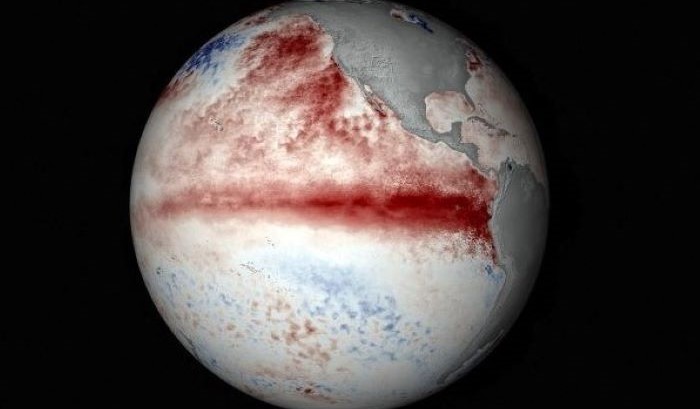
After three consecutive years of a La Niña, which had a cooling effect on global mean temperatures, an El Niño is likely to develop later this year, the World Meteorological Organization (WMO) said in a statement Wednesday. The WMO’s announcement comes less than a fortnight after the US’s National Oceanic and Atmospheric Administration (NOAA) issued a simlar alert. While La Niña has a cooling effect, an El Niño causes mean temperatures to rise. The WMO is 90 per cent certain that the El Niño/La Niña Southern Oscillation (ENSO) will enter ‘neutral conditions’ from March to May. ‘Neutral conditions’ are when neither El Niño nor La Niña are present. El Niño and La Niña are major – but not the only - drivers of the Earth’s climate system.
La Niña conditions have prevailed since September 2020, with forecasts showing that it is likely to weaken over the next few months. It refers to the large-scale cooling of sea surface temperatures in the central and eastern equatorial Pacific Ocean, which is known to cause excess rainfall in South Asia, Southeast Asia, and Australasia while causing drought in the Horn of Africa and South America. This is the opposite of an El Niño, which causes sea surface temperatures in the Pacific Ocean to rise. Both are naturally occurring climate phenomena with implications for global mean temperatures.



Related Posts
President says traditional wisdom can strengthen climate action
PM Modi inaugurates NGT conference on environment and climate
UN Land Summit begins in Mongolia to strengthen climate resilience