 Newsinc24 Team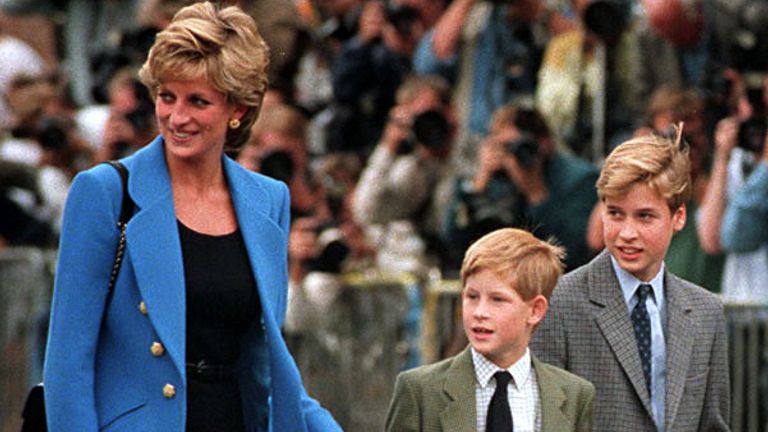
Prince William and his brother Prince Harry on Thursday issued strongly worded statements criticising the BBC and British media for unethical practices after an investigation concluded that one of the broadcaster’s journalists used “deceitful behavior” to secure Princess Diana’s most explosive TV interview in 1995. The circumstances surrounding the interview from more than 20 years ago came under scrutiny after Diana’s brother, Charles Spencer, made renewed complaints that journalist Martin Bashir used false documents and other dishonest tactics to persuade Diana to agree to the interview.
The BBC appointed a retired senior judge in November to lead an investigation into the matter. On Thursday, a report from the inquiry said Bashir acted in a deceitful way and breached BBC rules by mocking up fake bank statements and showing them to Charles Spencer to gain access to the princess. The report also criticised the BBC for covering up what it knew about Bashir’s actions, and said the corporation’s own probe into the matter fell short of its usual standards of integrity and transparency. In his statement, William, said the BBC’s failures contributed to the deterioration of his parents’ marriage and worsened Diana’s feelings of paranoia. “The interview was a major contribution to making my parents’ relationship worse and has since hurt countless others,” he said. “It brings indescribable sadness to know that the BBC’s failures contributed significantly to her fear, paranoia and isolation that I remember from those final years with her.”
In the interview, a major scoop for Bashir, Diana famously said that “there were three of us in this marriage” — referring to Prince Charles’ relationship with Camilla Parker-Bowles. Her candid account of her failing marriage with Charles was watched by millions of people and sent shockwaves through the monarchy. William alleged that “the deceitful way the interview was obtained substantially influenced what my mother said.” He went on to say that Diana “would have known that she had been deceived” had the BBC properly investigated the concerns first raised in 1995.Harry, meanwhile, said the issue was bigger than just the BBC - and that “the ripple effect of a culture of exploitation and unethical practices ultimately took her life.”
The BBC’s chairman, Richard Sharp, said the corporation accepts the investigation’s findings, adding “there were unacceptable failures.” The broadcaster has written to the royal family to apologize.Bashir, who was the BBC News religion editor, left the corporation last week on health grounds. The 58-year-old journalist has been seriously unwell with Covid-19-related complications.In a statement, he said he deeply regretted faking the bank statements, calling it “a stupid thing to do.” But he added that he felt it had “no bearing whatsoever on the personal choice by Princess Diana to take part in the interview.”
Meanwhile, the British government on Friday warned of potential action against the BBC, after unprecedented criticism from the royal family about its use of deception to secure a 1995 interview with princess Diana. Culture Secretary Oliver Dowden has said an independent inquiry into the affair highlighted "damning failings at the heart of the BBC", which is publicly funded. Ministers would now "consider whether further governance reforms at the BBC are needed", as talks approach for renewal of its royal charter covering its running and regulation, he added.
Related Posts
'Threat to democracy' Trump slams White House media ban lawsuit
Loyalty of British Hindus lies with 'karma bhoomi' UK: RSS chief
Pakistan bans foreign media after criticism over PoK crackdown