 Wendy Cutler
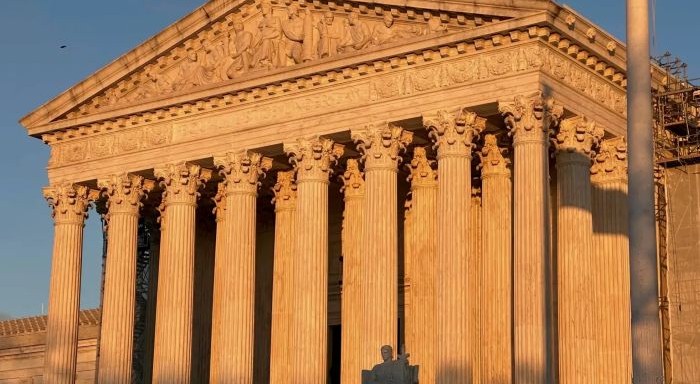
The Supreme Court’s decision on IEEPA should come as little surprise. The US President took a serious risk in using IEEPA as the legal basis for many of his tariff threats and hikes, and this gamble did not pay off.
Ironically, he will end up relying on these statute—such as sections 301, 232 and 122—that were clear delegations from Congress on tariff authority under specified conditions.
Our trading partners were well aware of the risks the President faced in using IEEPA as the basis for reciprocal and other tariffs. Nevertheless, they chose to conclude deals with Washington, convinced by Washington that other statutes would be utilized to keep the tariffs in place.
Like U.S. observers, they are waiting to see the Administration’s contingency plans, which should be rolled out soon.
Walking away from the deals announced in recent months does not seem to be in the cards for our partners. They know all too well that such a step could end up leaving them in a worse position with the White House.
With respect to China, USTR still has an active Section 301 investigation on China’s compliance with the Phase One agreement, which could be a major feature of the back up plan for Beijing.
This all could have been avoided if clear tariff adjustment statutes had been initially relied upon, as during his first term and by all previous Presidents.
(Wendy Cutler, Senior Vice President at the Asia Society Policy Institute and former Acting Deputy U.S. Trade Representative)


Related Posts
Trump waives sanctions, tariffs on purchase of Russian oil and gas
BRICS declaration flags nuclear risks, tariffs, condemns J-K terror attack
ASPI Experts Preview the 18th BRICS Summit in New Delhi