 Newsinc24 Team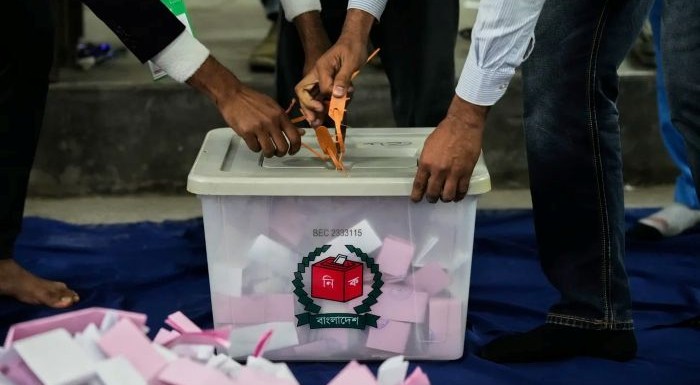
Asia Society Policy Institute (ASPI) experts comment on the results of the Bangladesh election.
Farwa Aamer — Director of South Asia Initiatives, ASPI
This election shows that Bangladeshi voters want change but without chaos, rejecting both entrenched authoritarianism and far-right hardliners. Voters seem to have chosen the most "stable" option, having come through a tumultuous political period.
The new government must deliver on its promised reforms. Foremost is giving young people the socio-economic opportunities they need to see a real and promising future for Bangladesh. Next is political stability and reconciliation for effective democratic governance, which will not be easy to achieve, especially in the early days.
For India and Bangladesh, geography and economics leave both little choice but to find common ground through cooperation; a pragmatic reset is in both countries’ interest, but it's possible that it doesn't happen overnight. Small incremental steps from New Delhi that are reciprocated by Dhaka will help the longer trajectory.
At the same time, the BNP-led government will need to walk a fine line, maintaining workable relations with both India and Pakistan without being pulled into regional rivalries to secure its own strategic interests.
China remains a central player in Bangladesh, and that role could grow further. Any continued rift with India would only make way for greater Beijing influence.
Rishi Gupta — Assistant Director, ASPI Delhi
For a politically charged Bangladesh, there were reports of violence and rigging, but elections are largely seen as peaceful. While the Yunus-led interim order has been criticized by many quarters for siding with the Islamic Fundamentalist forces, it deserves credit for delivering the key mandate of his government to hold elections. The elections are a major step towards a smooth, peaceful transition to an elected government.
While figures like Nahid Islam emerged during the July Movement, youth leadership did not materialize as an alternative for Bangladesh. Joining hands with Jamaat seemingly caused a setback for the youth-led National Citizens Party, as well as poor planning that led to Bangladesh National Party (BNP) attracting youth voters.
Voters have responded positively to a referendum on the July Charter’s implementation, and it is set to be put through a parliamentary process under the BNP government. The mandate will play a key role in shaping Bangladesh’s religious outlook and will be impactful in shaping regional engagement, especially with India.













Related Items
Sheikh Hasina plans December return to Bangladesh
Trump fires 2 members US election commission, Vice Chair quits
Non-bailable warrant against actor Prakash Raj in multiple voter ID case