 Newsinc24 Team
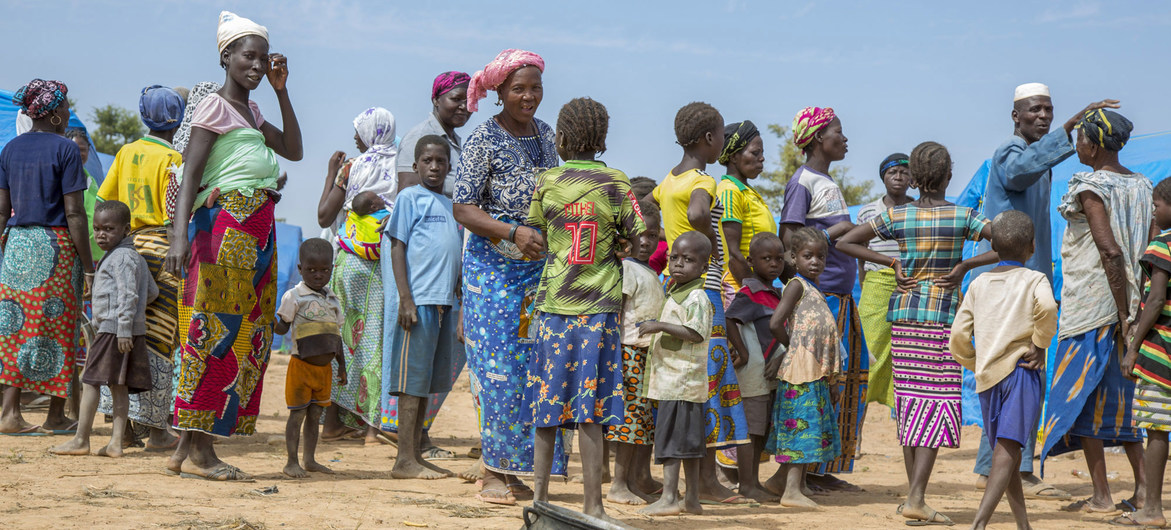
 The UN refugees agency, United Nations High Commissioner for Refugees, UNHCR has said that the number of forcibly displaced person has exceeded 84 million globally this year. The reason for this displacement include violence, insecurity and the effects of climate change. The UNHCR's Mid-Year Trends report, covering the first six months of this year, revealed a surge from 82.4 million largely due to internal displacement. More people are fleeing due to multiple active conflicts around the world, especially in Africa. It also noted that COVID-19 border restrictions continue to limit asylum access in many locations. UN High Commissioner for Refugees Filippo Grandi said, a lethal mix of conflict, COVID-19, poverty, food insecurity and the climate emergency has compounded the humanitarian plight of the displaced, most of whom are being hosted in developing regions. Grandi said the international community is failing to prevent violence, persecution and human rights violations, which continue to drive people from their homes.
The report said,flaring conflict and violence around the world during the first half of this year forced nearly 51 million people to flee within their own countries. The Democratic Republic of the Congo witnessed 1.3 million displacements and Ethiopia, 1.2 million, the report detailed. Meanwhile, violence in Myanmar and Afghanistan also saw an increase in the number-driven to leave home. At the same time, the number of refugees also continued to increase during the first half of the year, reaching nearly 21 million.The UNHCR observed that most new refugees came from just five countries: Central African Republic, 71,800; South Sudan, 61,700; Syria, 38,800; Afghanistan, 25,200; and Nigeria, 20,300. During the first half of the year, less than one million internally displaced people and 126,700 refugees were able to return home.















Related Items
SIT to probe into Shillong violence: CM tells Meghalaya assembly
UN Land Summit begins in Mongolia to strengthen climate resilience
CBI arrests absconder in 2021 post-poll violence murder case