Dr Ashok Pandey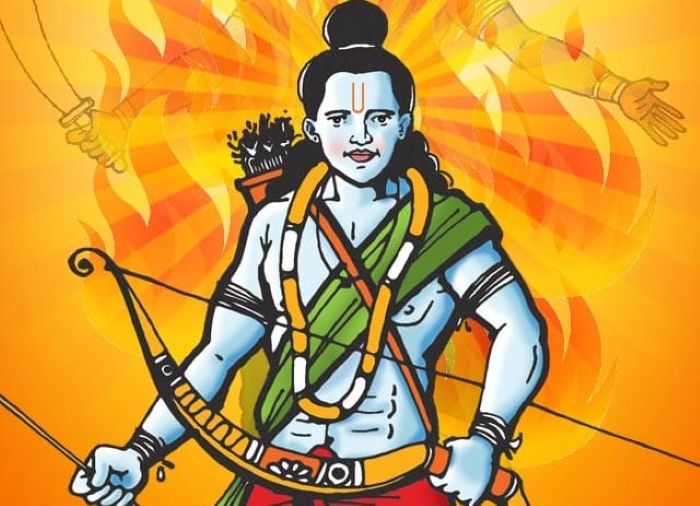
Vijayadashami is not merely a religious celebration; it carries deep spiritual and philosophical significance. It represents both outer victory in the world and inner triumph within the self.
1. Spiritual Aspect
Symbol of Inner Conquest:-
Demons like Ravan and Mahishasura are outward symbols, but in essence, they represent inner enemies such as lust, anger, greed, attachment, ego, and envy. Vijayadashami reminds us that the true festival is celebrated only when one conquers these inner vices through discipline, devotion, and righteous action.
Fruit of Navratri Worship:-
The nine days of Navratri purify and elevate the soul through devotion and self-discipline. The tenth day, Vijayadashami, symbolizes the attainment of inner strength and victory.
Harmony of Devotion and Power:-
The festival teaches that spiritual life requires a balance of faith (bhakti) and strength (shakti).
2. Philosophical Aspect
Struggle Between Dharma and Adharma:-
Life is a constant struggle between truth and falsehood, knowledge and ignorance, wisdom and delusion. Vijayadashami philosophically affirms that ultimately, truth and righteousness always prevail.
Message of Action and Effort:-
Even Lord Rama did not achieve victory by prayer or destiny alone; he won through effort, organization, valor, and righteous conduct. This emphasizes that human beings achieve success through karma (action) and purushartha (self-effort).
Universal Message:- Beyond religion, the festival symbolizes that destructive forces—whether in society or within the self—are bound to perish, while progress, truth, and virtue inevitably move forward. Thus, Vijayadashami is not just an outer celebration but a reminder to strive for self-mastery, discipline, and a righteous life. Shubham Bhavatu.
(Dr Ashok Pandey,Spiritual Healer, Vastu Consultant and Astrologer Pune - +91-7574885030, +91-9425006196)