 Newsinc24 Team
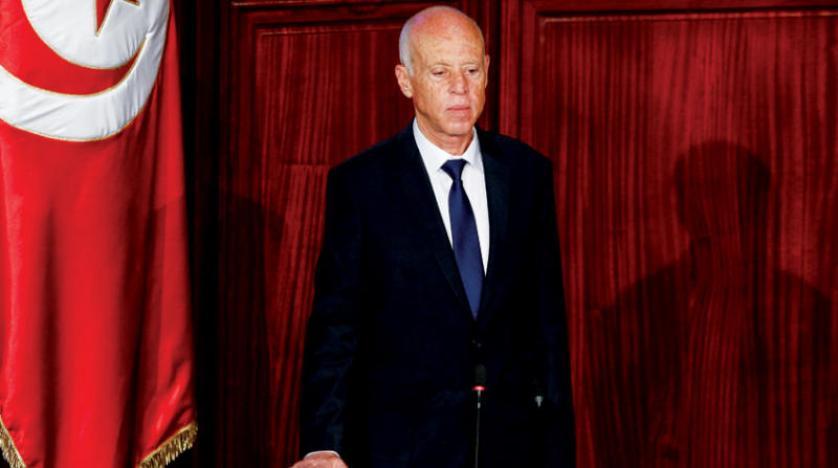
Amid escalating political crisis, Tunisian President Kais Saied dismissed the prime minister and froze parliament for 30 days on Sunday. Saied also suspended lawmakers’ parliamentary immunity. Saied announced he was firing Prime Minister Hichem Mechichi and that he and a new prime minister, to be named in the coming hours, would take up executive authority. Under Tunisia’s 2014 constitution, executive power is shared by the president, prime minister and the parliament. "The constitution does not allow for the dissolution of parliament, but it does allow for its work to be suspended," the president said, citing Article 80 which permits such a measure in case of "imminent danger".
Opponents condemned the move as an attempted coup. Thousands of Tunisians had marched in several cities protesting against the Islamist-inspired Ennahdha party, criticising what they said were government failures in the North African nation and crippling coronavirus rates. Demonstrations were also reported in the towns of Gafsa, Kairouan, Monastir, Sousse, and Tozeur. Since Saied was elected president in 2019, he has been locked in a showdown with Mechichi and parliament speaker Rached Ghannouchi, a rivalry that has blocked ministerial appointments and diverted resources from tackling Tunisia's many economic and social problems. "What Kais Saied is doing is a coup d'etat against the revolution and against the constitution, and the members of Ennahdha and the Tunisian people will defend the revolution," Ennahdha wrote in a statement on its Facebook page.


Related Posts
Israel could face a hostile US president after Trump, Netanyahu warns
President Murmu appoints Governors in 6 states
‘Raised India to heavens’: Former Serbian President hails PM Modi