 Newsinc24 Team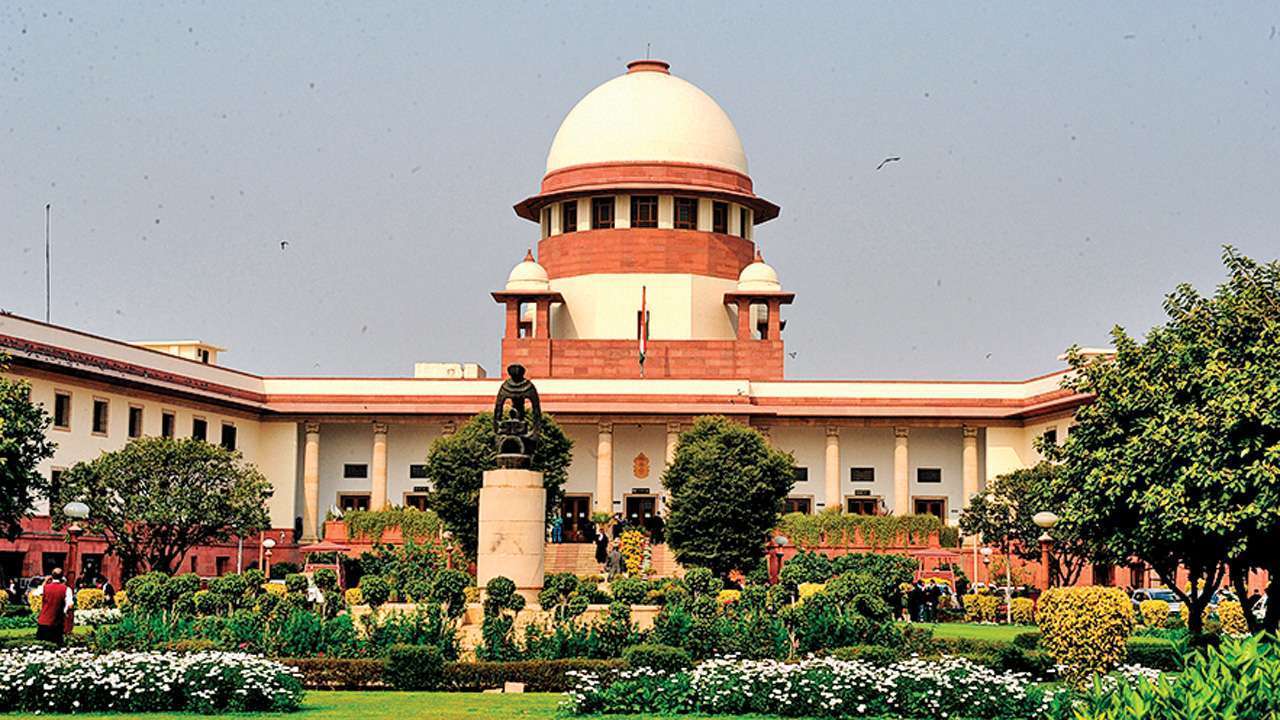
The Supreme Court has described the British-era sedition law as "colonial" and asked whether it was "still necessary after 75 years of Independence". The law is a serious threat to the functioning of institutions and holds "enormous power" for misuse. The Court on Thursday issued a notice to the Centre on pleas challenging the constitutional validity of the ‘colonial-era’ sedition law.
A bench headed by Chief justice N V Ramana said the main concern was about the "misuse of law". The bench was hearing a plea by former army officer Major-General S G Vombatkere (Retd) who challenged the Constitutional validity of section 124 A (sedition) of the IPC on grounds that it causes a "chilling effect" on speech. The sedition law also curbs freedom of speech, the plea said. The sedition law was meant to suppress the freedom movement and was used by the Britishers to silence Mahatma Gandhi and others, the court noted to which attorney general KK Venugopal said some guidelines may be laid down to curb misuse of sedition law.
The Apex Court called the law "a serious threat" to the functioning of institutions. "There is enormous power of misuse. We can compare it to the carpenter, instead of cutting wood, cutting the forest itself. That is the effect of this law," said Chief Justice Ramana. He also said there was "minimal conviction or very low rate of conviction" in the history of the law.