 Nipun Dutta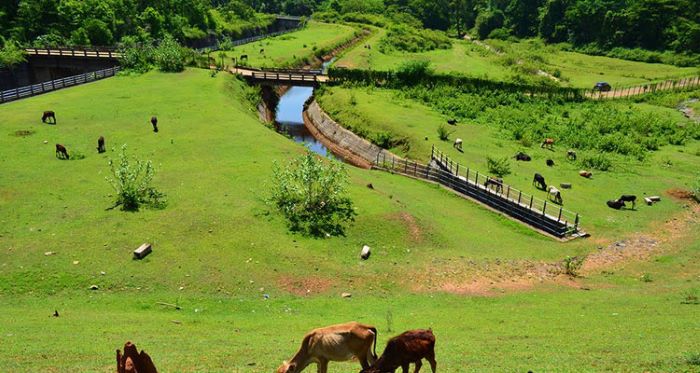
A place hosted in a picturesque haven in the cloudy, misty mountains of the Western Ghats in Karnataka. Housing a people who are a riddle for Ethnologists regarding their advent, origin, and descent. Nature and ancestor worshippers, coffee planters, paddy cultivators, sportspersons, great hosts, pork eaters, and fierce warriors.
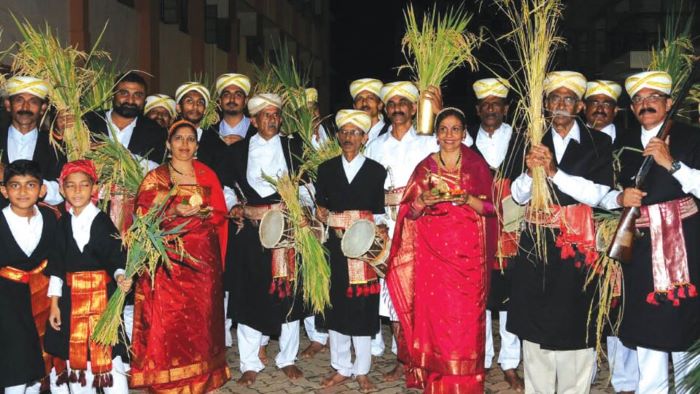
Men dressed in Kupyas and women dressed in Kodava podeyas (sarees pleated at the back) speaking in Kodava takk are the stuff legends are made of. Now restricted to 1,50,000 all over the world, supporting and upholding each other, holding on to their tradition, heritage, culture, and cuisine, all of which are unique. Kodavas, the inhabitants of Coorg are fascinating, and worth an introduction. Welcome to Coorg,
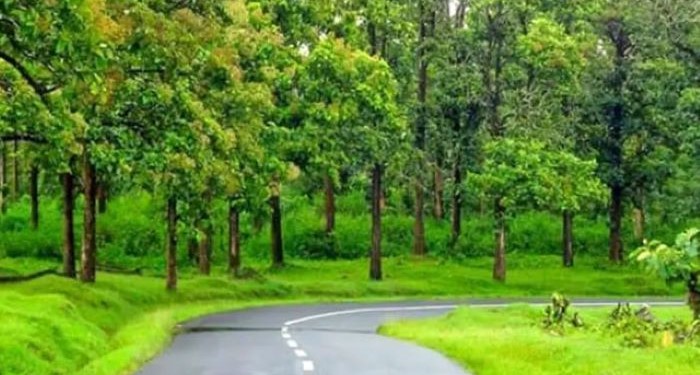
India's coffee cup and spice haven which looks ethereal in the rainy season! It might have been named the Scotland of India, but it would be more appropriate to call Scotland the COORG of Europe! Living amid nature, the Coorgi natives (Kodavas) make their own wine, medicines, and potions, and cook heavenly meals from the local produce seeped in locally grown spices. The Kodavas are children of nature, and food for them is medicament. Goddess Kaveri is a part of the Coorgi folklore and tradition. Legend has it that while Kaveri was sage Agasthya’s wife, she wanted to transform herself into a river to serve people. The sage made efforts to stop her from doing so. This tussle led to the pleats of her sari being pushed back. The Coorgi sari (Kodava podeya) is worn in the same manner to date. Goddess Kaveri is worshipped as water, and in ceremonies like marriage, a decorated cucumber or a banana symbolizes her.
Prosperous, cultured, highly educated, knowledgeable, and possessing an inherent poise and grace, you would love to strike up a conversation with a Kodava male or female. Highly educated, many Coorgis have found a place in history as great sportspersons and have been decorated officers in the Indian Armed Forces.
The Kodava customs are different and are apart from the usual Hindu ceremonies and rituals. To name a few: Women accompany the men to the cemetery. A wife lights her husband’s funeral pyre and a husband lights her wife’s.
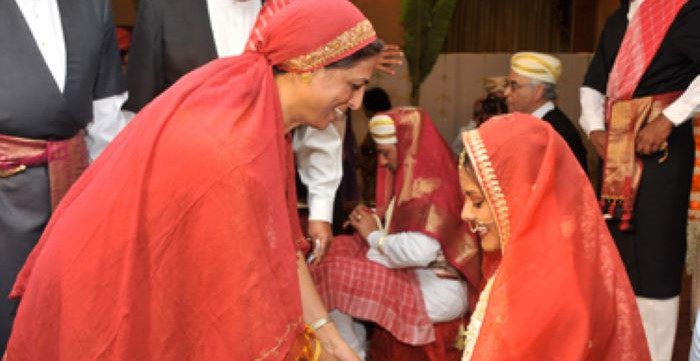
A woman is given extraordinary status and rights, so much so that a bride’s traditional rights include her right to return to her parents’ place if she faces a problem. Women are allowed to pursue higher studies, and late marriages and pregnancy are accepted so that women can pursue their dreams and their career.
Nari Mangala was an ancient ceremony to honour a man/woman who killed a tiger. The ceremony is akin to a wedding with the slayer sitting next to the slain tiger and is blessed by elders.These Kodava customs are unique and different from the rest of the Coorgi communities, and even the Kodava people's language, culture, and physical appearance also stand out in the crowd. These striking differences have given rise to many theories regarding their origin…. Are they Indo-Scythian, Indo-Greek, or Chandravanshis? Do they come from the Mohenjodaro era, or are they the oldest settled inhabitants that streamed from an ancient war-like tribe?
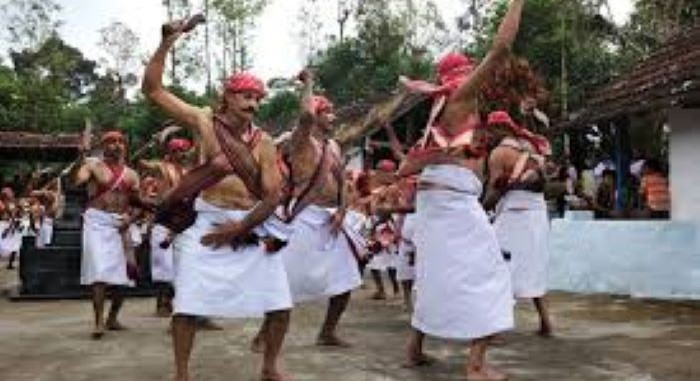
Well, the mystery and intrigue make them all the more fascinating! As much as the born fighters would love to exercise their gun-wielding skills, the Wild Life Protection Act 1972 has tied their hands and they can now hardly raise their guns even in self-protection against destructive wild boars or elephants running amok in their plantations, as the same might get them into trouble. However, that does not stop them from decorating their homes with family rifles and swords, being symbolic of a past where weapons were used extensively.
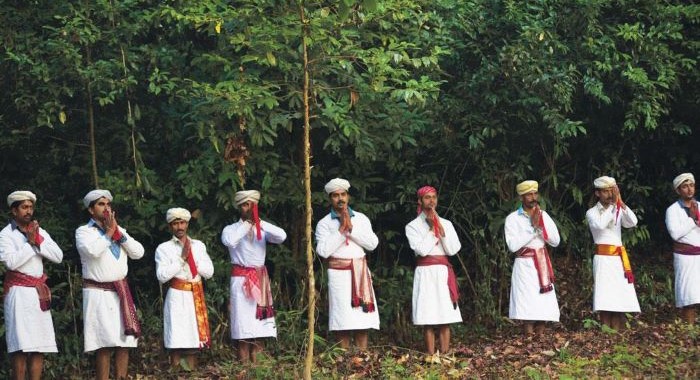
Most Coffee planters in Coorg have their own Homestays, which are lovely little getaways amid greenery, which were preferred destinations for working people during Covid times for peaceful Workcations. Work is always good with delectable food, and awe-inspiring surroundings!
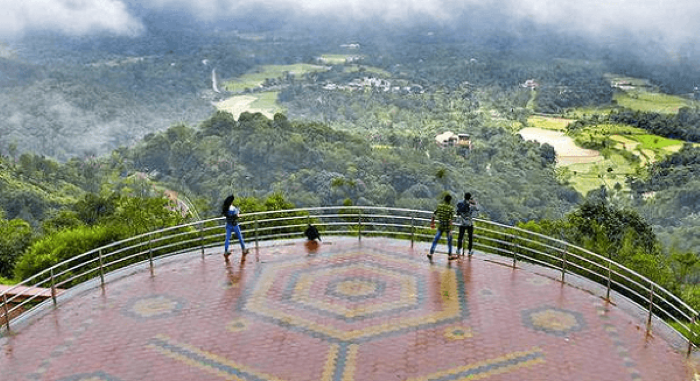
The younger generation though is inclined towards professions like IT and Engineering and is moving towards metropolitan cities, coming home only for vacations, ceremonies, and rituals. However, the elders hope that one day their children will return and take charge of the sprawling coffee estates and plantations. It is important for the younger generation who stays and works away from home not to forget their language, culture, and traditions.
A step in this direction is the Talk Pariyana platform, which encourages the younger, migrating generation to listen to stories or anecdotes in Kodava takk and interact in their language, which is an endangered Dravidian language.
India’s largest coffee and pepper producer, the Coorgis are spirited people who are not giving up though they are less in numbers. Proud of their lineage and heritage, a Kodava clan portal had tried to break the world record of the largest family tree, and is now trying to create a record for the world’s largest family gathering. Big events and big gatherings come naturally to these big-hearted people. The Kodava annual hockey festival sees the participation of more than 200 families and is one of the largest field hockey tournaments in the world. Having found a mention in the Limca Book of Records, it is now vying for a place in the Guinness Book of World Records! Coorg is a haven worth a visit. Kodavas are a race worth knowing.
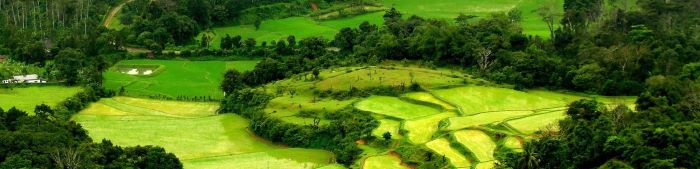
If you think travel is as vital as food and water, keep such hamlets on your bucket list, for an impactful change in your lives, and enrichment of your travelogue.
Happy perambulating!
(Nipun Dutta is the Asstt Editor)
Related Posts
Separate tourism policy for coastal Karnataka, says CM DKS
Karnataka: Prominent names figure in SIR notice list
Karnataka: ED raids premises linked to Satish Jarkiholi, MP daughter