 Newsinc24 Team
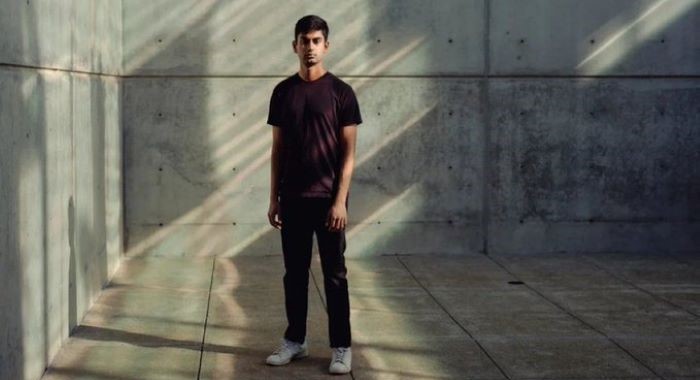
Former OpenAI researcher turned whistleblower found dead in his San Francisco apartment. In October, the 26-year-old AI researcher raised concerns about OpenAI breaking copyright law when he was interviewed by The New York Times. "The Office of the Chief Medical Examiner (OCME) has identified the decedent as Suchir Balaji, 26, of San Francisco. The manner of death has been determined to be suicide," said a spokesperson in a statement to TechCrunch. "The OCME has notified the next-of-kin and has no further comment or reports for publication at this time."
After nearly four years working at OpenAI, Balaji quit the company when he realized the technology would bring more harm than good to society, he told The New York Times. Balaji's main concern was the way OpenAI allegedly used copyright data, and he believed its practices were damaging to the internet."I was at OpenAI for nearly 4 years and worked on ChatGPT for the last 1.5 of them," said Balaji in a tweet from October. "I initially didn't know much about copyright, fair use, etc. but became curious after seeing all the lawsuits filed against GenAI companies. When I tried to understand the issue better, I eventually came to the conclusion that fair use seems like a pretty implausible defense for a lot of generative AI products, for the basic reason that they can create substitutes that compete with the data they're trained on." In a blog post from October, the former OpenAI researcher wrote that he didn't believe ChatGPT was a fair use of its training data; however, similar arguments could be made for many generative AI products, he said.
I recently participated in a NYT story about fair use and generative AI, and why I'm skeptical "fair use" would be a plausible defense for a lot of generative AI products. I also wrote a blog post (https://t.co/xhiVyCk2Vk) about the nitty-gritty details of fair use and why I…
— Suchir Balaji (@suchirbalaji) October 23, 2024
Several former OpenAI employees have raised concerns about the startup's safety culture, but Balaji was one of the few who took issue with the data that OpenAI trained its models on.OpenAI and Microsoft are currently involved with several ongoing lawsuits from newspapers and media publishers, including the New York Times, who claim the generative AI startup has broken copyright law.
Balaji was found dead in his Buchanan Street apartment on November 26, a spokesperson for the San Francisco Police Department said. Officers and medics were called to his residence in the city's Lower Haight district to perform a wellness check on the former OpenAI researcher. No evidence of foul play was found during the initial investigation, according to police.


Related Posts
Musk loses lawsuit against OpenAI and Sam Altman
OpenAI robotics chief quits over Pentagon deal, surveillance concerns
After Anthropic, OpenAI targets Mumbai, Bengaluru expansion