 Ira Singh
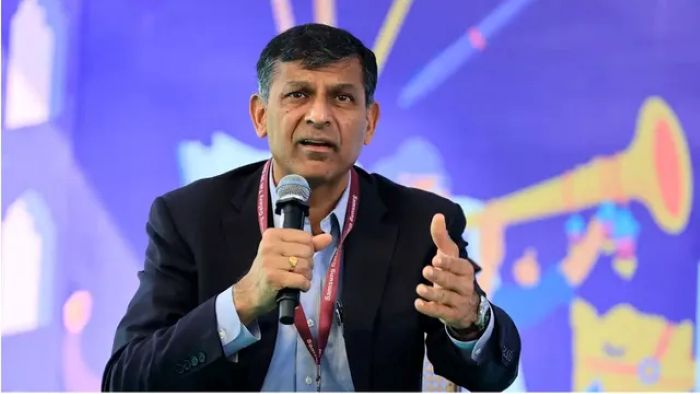
Former Reserve Bank of India (RBI) Governor Raghuram Rajan on Tuesday lauded the Modi government’s efforts in improving infrastructure but underscored the urgent need for measures to boost India’s job market. Speaking at the World Economic Forum Annual Meeting, Rajan expressed optimism that the upcoming Union Budget 2025 would address the challenges facing employment and consumption. Rajan highlighted that while India’s GDP growth of 6% is commendable, the per capita growth rate needs to improve significantly to elevate living standards and reduce income disparity. “The Modi government has done a lot of good work on the infrastructure front, but the other key pillar that needs to boost consumption is the job market,” he reportedly stated.
With the Union Budget just days away, Rajan expressed hope for policies that could drive employment growth and bolster economic resilience. He emphasized that a robust job market is crucial to sustaining economic momentum and improving overall consumption levels.
Rupee Depreciation and Dollar Dominance
Addressing concerns about the rupee nearing the Rs 85-mark against the US dollar, Rajan reportedly attributed this trend primarily to the strengthening of the American currency rather than domestic economic factors. He noted that central banks in emerging markets are often forced to intervene to stabilize their currencies, but such actions stem more from external pressures than internal mismanagement.
“The fear of dollar weaponization is real among central banks outside North America and the Euro bloc,” Rajan said, highlighting the challenges posed by the global dominance of the dollar. He also cautioned against over-reliance on non-central bank digital currencies, citing their potential vulnerabilities.
BRICS Common Currency: A Distant Dream
Rajan dismissed the feasibility of a common currency for the BRICS nations, citing geopolitical tensions and divergent national interests as major hurdles. “For BRICS to have a common currency, we need to sort out many geopolitical issues. Concerns between India and China, as well as among other members, make this idea unrealistic in the near term,” he said.
Modi Government’s Third Attempt at Tax Reform
Besides these economic challenges, another critical area gaining attention is India’s outdated tax framework. The Modi government is gearing up for its third attempt to overhaul the country’s six-decade-old tax code, with media reports suggesting that a reform could follow the Union Budget 2025.
India’s tax base remains narrow, with less than 7% of the population filing tax returns. Of the 75 million individuals who filed returns last year, nearly 63% paid no taxes. This imbalance underscores the need for a simplified, fairer tax system that equitably distributes the burden between capital and labor, rich and poor, and current and future generations,noted experts.
Simplifying the labyrinth of rules, clauses, and subsections would not only aid taxpayers and accountants but also encourage compliance. However, ensuring fairness remains crucial, particularly as the loyalty of the middle class—electorally significant to Prime Minister Modi—hinges on effective reforms.At the upper end of the spectrum, wealthy individuals, though significant contributors to tax collections, are increasingly mobile, often relocating if they perceive the tax burden as excessive. Balancing these competing demands will require careful calibration to ensure the success of this third attempt at tax reform.
Looking Ahead to Union Budget 2025
The Union Budget 2025 is expected to play a pivotal role in shaping India’s economic trajectory. Rajan’s observations about boosting employment and addressing currency challenges align with broader calls for reforms, including in the tax system.
While infrastructure development continues to strengthen India’s growth story, bridging gaps in the labor market and modernizing the tax framework remain essential to ensuring inclusive and equitable progress. The upcoming Budget presents an opportunity for the government to implement policies that could enhance employment, streamline tax structures, and foster sustainable growth.
( Business Correspondent)



Related Posts
India-EU investment protection agreement under discussion: Goyal
Mirabai Chanu to lead India at world weightlifting c'ships in China
Goyal pushes India-Netherlands cooperation in trade and manufacturing