 Newsinc24 Team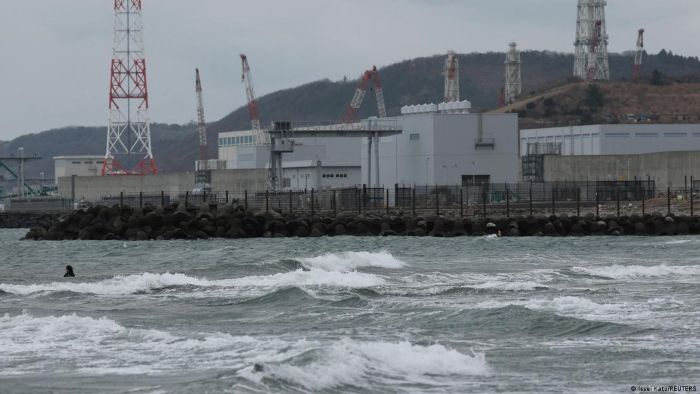
Japan has taken a final step to allow restarting the world’s largest nuclear power plant with a regional vote on Monday The decision marks a major moment in Japan’s return to nuclear energy, nearly 15 years after the Fukushima disaster. The Kashiwazaki-Kariwa plant was one of 54 reactors shut down after the 2011 earthquake and tsunami. That disaster crippled the Fukushima Daiichi plant. It became the worst nuclear accident since Chernobyl. Since then, Japan has restarted 14 of the 33 reactors that remain operable. The government aims to reduce its reliance on imported fossil fuels. Japan spent 10.7 trillion yen last year on imported liquefied natural gas and coal, a tenth of its total import costs.
Kashiwazaki-Kariwa will be the first operated by Tokyo Electric Power Co (TEPCO), opens new tab, which ran the doomed Fukushima plant. Niigata Prefecture’s assembly passed a vote of confidence in Governor Hideyo Hanazumi. He endorsed the restart last month. The vote effectively allows the plant to resume operations. Prime Minister Sanae Takaichi, who took office two months ago, has backed nuclear restarts to strengthen energy security and counter the cost of imported fossil fuels. The planned restart of a reactor at Kashiwazaki-Kariwa plant has triggered protests in the coastal city of Niigata. "No Nukes," "We oppose the restart of Kashiwazaki-Kariwa" and "Support Fukushima" gathered in front of the Niigata Prefecture assembly in temperatures of 6 degrees Celsius.
















Related Items
TN to set up 1,600 MW thermal power station under PPP model
Pakistan: 'Legal Coup' gives absolute power to Field Marshal Munir
Goyal pushes India-Japan cooperation in chips, steel manufacturing