 Newsinc24 Team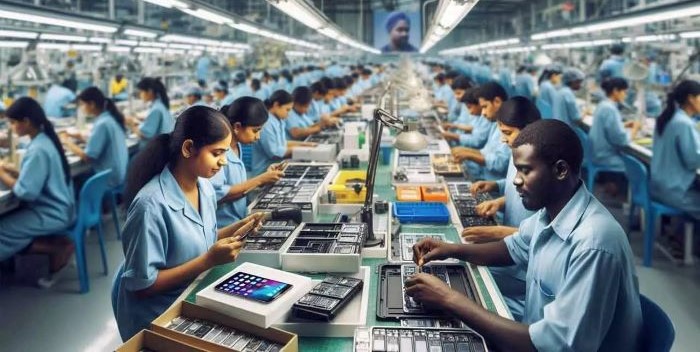
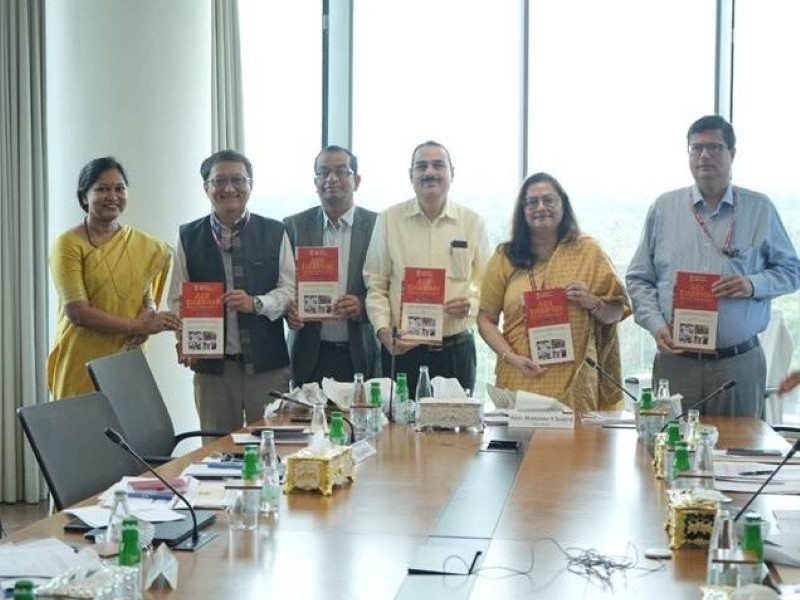
The Department of Commerce on Friday held a high-level Chintan Shivir in New Delhi to outline India's strategy for achieving $150 billion in electronics exports by 2030, with discussions focusing on strengthening global value chain integration, boosting semiconductor manufacturing and enhancing the country's competitiveness in international markets.
Organised by the Department of Commerce under the Ministry of Commerce and Industry in collaboration with the Mobile and Electronic Devices Export Promotion Council (MEDEPC), the Electronics and Computer Software Export Promotion Council (ESC) and the Telecom Equipment and Services Export Promotion Council (TEPC), the event brought together senior government officials and leading industry players to deliberate on the future of India's electronics manufacturing ecosystem.
Addressing the gathering, Commerce Secretary Rajesh Agrawal said India's policy framework must provide the predictability and stability required for global value chains (GVCs) to expand their presence in the country.He noted that policies aimed at serving the domestic market may differ from those needed to promote export-oriented manufacturing and called for balanced, practical and actionable recommendations that support all stakeholders while positioning India as a globally competitive electronics manufacturing and export hub.
Industry leaders from across the electronics value chain, including Apple, Samsung, Foxconn, Tata Electronics, Dixon Technologies, Amber Enterprises, Micromax, Syrma SGS Technology, Aequs, boAt and Bora Exim, participated in the deliberations alongside exporters and industry associations.
Focus on GVCs, MSMEs and export competitiveness
The Chintan Shivir featured presentations on India's roadmap to achieving $150 billion in electronics exports by 2030 and strengthening the country's semiconductor and electronics components ecosystem.According to agency reports,India's electronics exports reached nearly $48 billion in FY 2025-26, registering a robust 24.7 per cent growth over the previous financial year. Presentations highlighted significant export opportunities across smartphones, servers, specialised electronics and electronic components, while underscoring the importance of resilient supply chains and targeted policy interventions.Participants stressed the need to integrate micro, small and medium enterprises (MSMEs) into global value chains, noting that GVCs account for nearly 90 per cent of global electronics trade and offer significant opportunities for Indian suppliers to scale up and become part of international manufacturing networks.The discussions also focused on harmonising Harmonised System (HS) Codes and improving coordination with Customs authorities to minimise product misclassification and facilitate smoother exports.
The Department of Commerce emphasised that sustaining India's rapid growth in electronics exports would require not only globally competitive manufacturing but also stronger branding and marketing of Indian products in strategic overseas markets.To support exporters, the department recommended that the Indian Institute of Foreign Trade (IIFT) develop specialised training programmes covering trade agreements, market access opportunities and evolving global demand trends, while incorporating industry feedback to ensure the curriculum remains aligned with business requirements.













Related Items
India has potential to power next wave of global growth: IMF
Keralam Govt in talks with states, Discoms to purchase power: CM
India’s trade deficit narrows to $26.86 bn as exports rise 26% in Aug