 Newsinc24 Team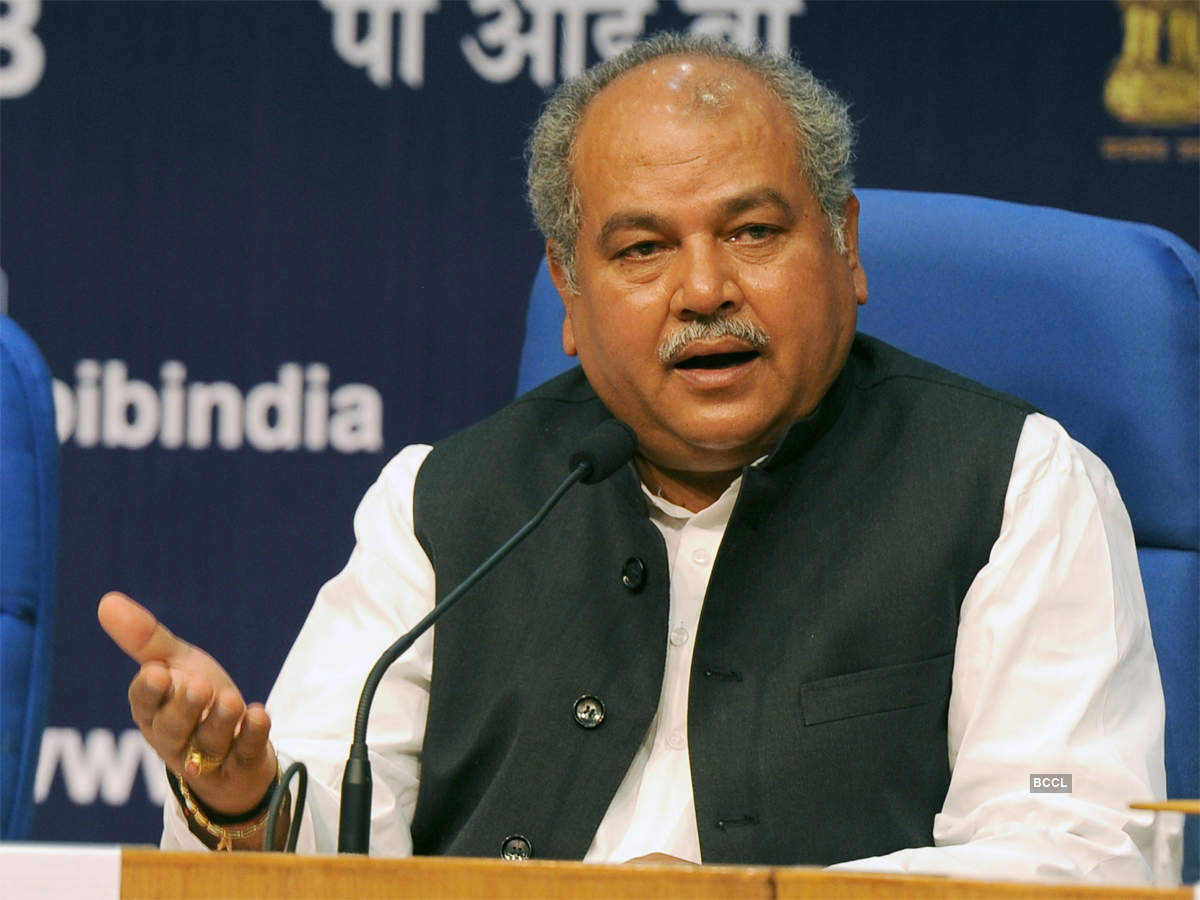
The Centre hiked minimum selling price (MSP) for various kharif crops for the summer-sown season, ranging between 50% and 62%, following a decision taken by the cabinet on Wednesday. MSP is a floor price determined by the Centre for crops aimed to avoid distress sale by signalling a minimum rate for private traders. The government, through the state-run Food Corporation of India, buys large quantities of cereals from farmers at MSP rates and distributes them to beneficiaries via the public distribution system (PDS). The MSP hike also comes amid the ongoing protests against the three farm laws. Farmers have demanded that the government bring legislation to guarantee remunerative MSP to all farmers.
Addressing press conference in New Delhi, union agriculture minister Narendra Singh Tomar aid the government had not closed the doors on negotiations with farm unions and was willing to talk to them. “We had 11 rounds of talks. We want the farmers to point out specific objections in the legislations. Neither any Opposition leader in the House (Parliament) nor farmers could come up with anything specific,” Tomar said. The government usually raises minimum support prices of crop twice a year, once ahead of the winter-sown or rabi season and the second time for the summer-sown kharif season that usually begins in June. Among key crops, the MSP for paddy has been raised from Rs 1,868 to Rs 1,940 a quintal, while the rates for coarse cereals jowar and bajra were hiked by Rs 118 to stand at Rs 2,738 and Rs 2,250 respectively. The prices of pulses such as urad has been increased sharply by Rs 300 to stand at Rs 6,300 a quintal.

Related Posts
‘Raised India to heavens’: Former Serbian President hails PM Modi
Rajasthan: Ex- minister Vishvendra Singh quits Congress
Israeli minister claims ‘terrorist’ wanted to crash plane