 Newsinc24 Team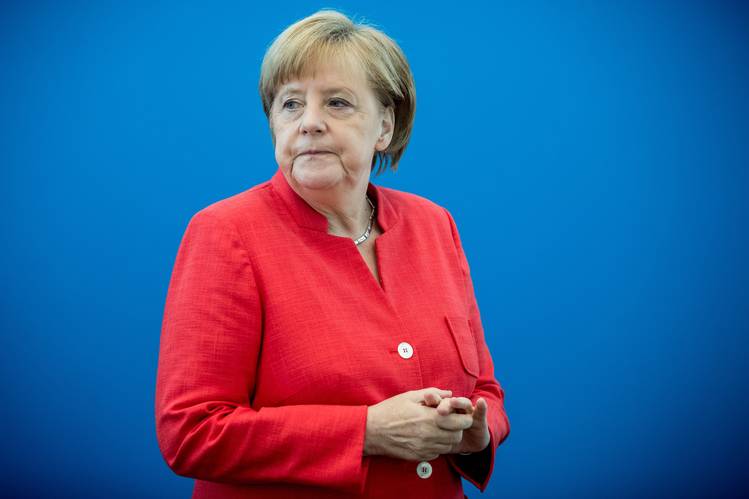
Germany's Chancellor Angela Merkel’s government has taken unprecedented steps to help companies and small businesses get through the crisis, freeing up billions of euros to prevent the economy shrinking further. To fund the measures, it needs to borrow more than planned. Now, Germany plans to borrow almost 180 billion euros ($214.60 billion) next year, nearly double the amount initially foreseen, as Berlin extends aid measures to mitigate impact of the Covid-19 pandemic on Europe’s biggest economy, lawmakers told Reuters on Friday. Merkel’s government expects the economy to shrink by a calendar-adjusted 5.9% in 2020 and rebound by 4.4% in 2021.
Germany’s parliamentary budget committee of lawmakers agreed on the plans in the early hours of Friday after 17 hours of talks, saying it is the second largest amount of net new borrowing in the history of post-war Germany. “The new borrowing is the right thing to do. You cannot save your way through a crisis,” said Greens lawmaker Sven-Christian Kindler.Parliament this year suspended Germany’s debt brake in the constitution to allow the government to take on net new debt of up to 218 billion euros to finance rescue and stimulus measures. However, coalition sources have said it was unlikely to need the full amount.














Related Items
Paraguay knock Germany out of World Cup 2026 on penalties
Germany: At least 6 killed in shooting in Stade
Germany hit by record temperatures as heatwave moves east