 Ira Singh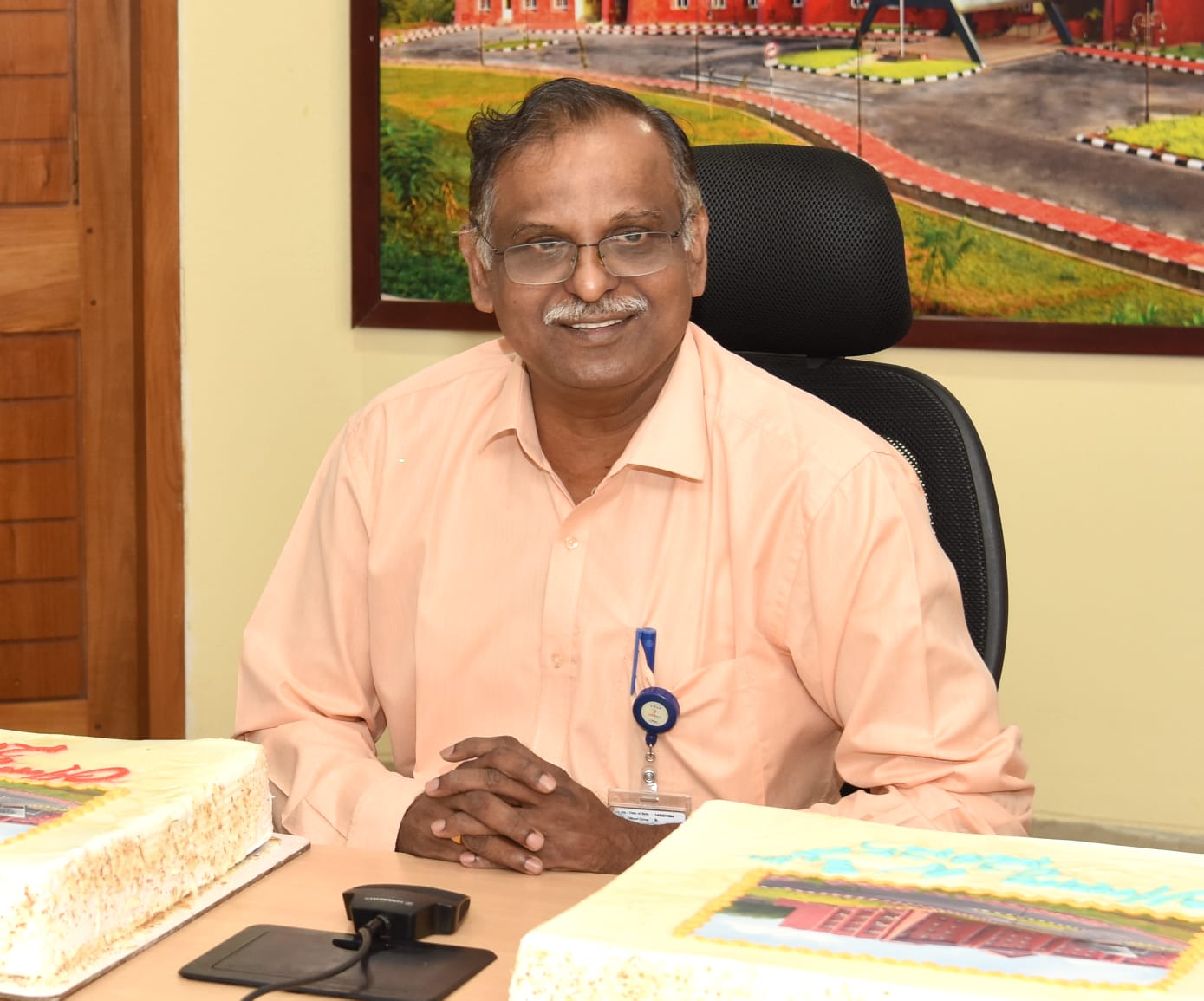
India is entering a transformative phase in its space journey, with ambitious plans spanning human spaceflight, lunar sample return missions, a national space station, planetary exploration and deeper collaboration with the private sector. In an exclusive interview with Newsinc24, ISRO Chairman Dr. V. Narayanan outlined the organisation's achievements over the past decade, its roadmap towards Space Vision 2047, and the technological milestones that will shape India's future as a leading global space power.
Excerpts from the interaction...
Q. India has made remarkable progress in space technology over the last decade. How do you assess ISRO's journey, and what have been the organisation's most significant achievements in recent years?
Response:
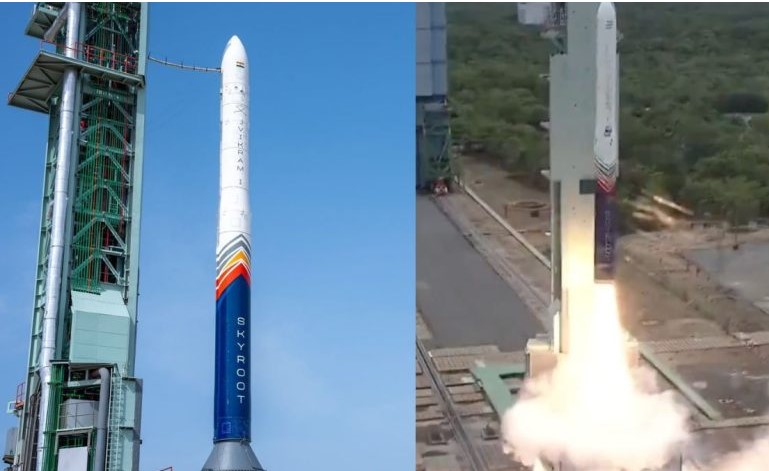
The past decade has been a defining period in India's space journey. The number of space missions have risen exponentially in the last decade and several landmark projects were approved under the visionary leadership of Hon'ble Prime Minister Shri Narendra Modi Ji. The Indian human spaceflight programme, Gaganyaan, was approved by the Government in 2018 and now ISRO is very close to the first uncrewed mission (G1). The Space Vision 2047 was unveiled by the Honourable Prime Minister in 2023 envisaging the establishment of a Bharatiya Antariksh Station by 2035 and the first Indian crewed landing on the Moon by 2040. Among our recent significant achievements, Chandrayaan-3 made India the first nation to achieve a successful soft landing near the Moon's south polar region, while AdityaL1 established ISRO as the third space agency in the world to venture into solar exploration. ISRO achieved the milestone of 100th launch from Sriharikota in Janury 2025. In the same month, the SpaDeX mission demonstrated indigenous autonomous space docking capability, a critical technology for future space stations and human spaceflight. The NASA–ISRO Synthetic Aperture Radar (NISAR), which is the first ISRO-NASA joint mission, further exemplified India's technological prowess and growing contribution to global scientific collaboration. In 2025, an Indian astronaut or Gaganyatri, was carried onboard the Axiom-4 mission to become the first Indian to reach ISS and the second Indian in space after Wing Cdr (Retd) Rakesh Sharma. ISRO’s LVM3 launch vehicle fulfilled two milestones last year – launch of the heaviest satellite to GTO from Indian soil and also the launch of the heaviest ever satellite, BlueBird Block 2 from Indian soil, the latter for a US customer. India has also emerged as a trusted launch partner, with 434 foreign satellites launched for 34 countries, reinforcing our reputation for reliability and cost-effectiveness. Equally transformative has been the opening of the space sector to private participation in space activities in the country. The last decade saw a tremendous boost in the number of space start-ups, from just less than 1 in 2014 to over 400 Indian space start-ups today. These start-ups are supported by IN-SPACe, and are engaged in the activities related to launch vehicles, satellites, propulsion, AI, robotics and downstream applications. ISRO is continuously supporting these start-ups with access to technical facilities and also the ground testing & validation of propulsion systems. Consequently, the first private orbital launch was achieved on July 18, 2026 from Sriharikota marking a significant turning point in the Indian Space Programme.
Q. Following the success of Chandrayaan-3, what are the key objectives of India's upcoming lunar missions, including Chandrayaan-4, and how will they contribute to
scientific research?
Response:
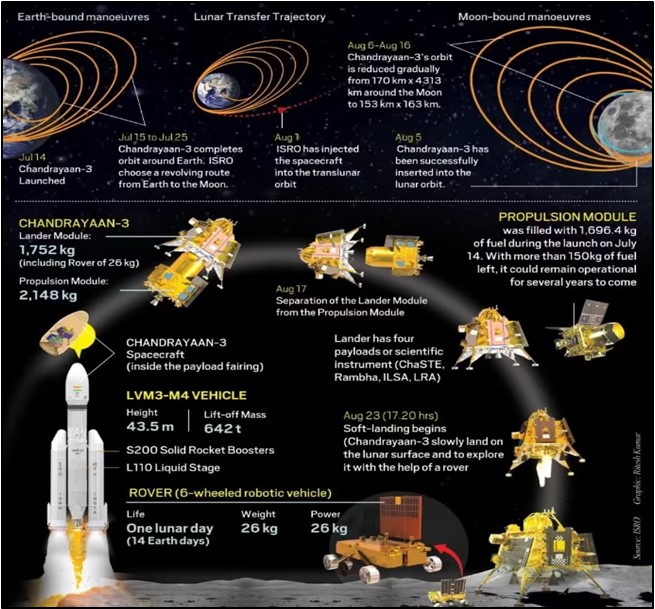
Chandrayaan-3 demonstrated India's capability in precision landing, rover operations and in-situ scientific investigations under extremely challenging lunar conditions. It laid the technological foundation for a far more ambitious lunar programme. Chandrayaan-4 is envisaged as a lunar sample return mission, involving autonomous undocking and docking in lunar orbit, precision landing, sample collection, ascent from the lunar surface and safe return of lunar samples to Earth. Successfully demonstrating these technologies will represent a major leap in India's deep-space capabilities. Scientifically, the returned samples will provide valuable insights into the Moon's geological evolution, mineral composition, volatile resources and the early history of the Solar System. Technologically, the mission will validate capabilities such as orbital rendezvous, autonomous operations and precision navigation, which are essential for future human exploration, the Bharatiya Antariksh Station and advanced planetary missions. Our lunar roadmap is therefore not limited to exploration alone—it is about building enduring indigenous capabilities that will enable India to play a leading role in the next era of space exploration. ISRO is also working with JAXA for the Lunar Exploration Mission (LupeX)/Chandrayaan5, wherein the lander is the responsibility of ISRO. This lander is a heavier version of the Chandrayaan-3 with more powerful thrusters. This will be a part of the overall spacecraft, which will be launched by the Japanese H3 rocket.
Q.The Gaganyaan programme marks India's entry into human spaceflight. What are the major milestones achieved so far, and what challenges remain before Indian astronauts are sent into space?
Response:
Gaganyaan is one of the most technologically demanding programmes ever undertaken by India. It is creating a complete indigenous ecosystem encompassing human-rated launch vehicle, crew and service modules, life-support systems, astronaut training, mission operations and recovery infrastructure. The Gaganyaan Programme, as approved by the Government of India, envisages a series of uncrewed and crewed missions including a docking mission to any international space station and also launch of the first module of the Bharatiya Antariksh Station.
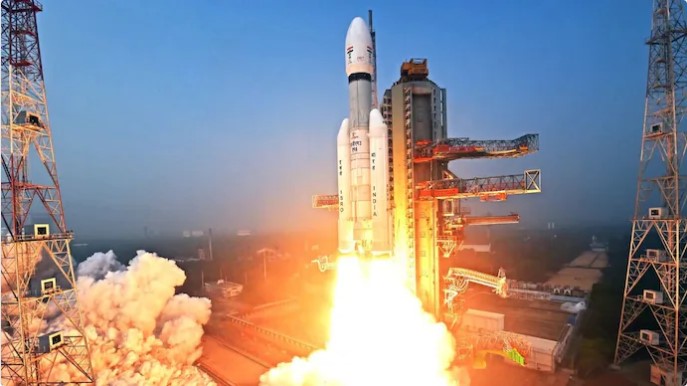
Shortly, ISRO will launch the first uncrewed mission (G1), which is an experimental mission to validate the end-to-end mission aspects. This will be followed by two identical uncrewed missions (G2 & G3) with a pressurized crew module and active environmental control & life support system to demonstrate the repeatability and reliability before undertaking the first crewed mission (H1). ISRO has already completed more than 8,000 qualification and validation tests, covering propulsion, avionics, parachutes, environmental control systems, crew escape mechanisms and human-rating requirements. In case of a launch abort, a Crew Escape System is a mandatory component of any human space mission. This has been developed and a launch abort scenario was validated in a sub-orbital test flight. Around ten parachutes are required for the deceleration system, that is going to be deployed after re-entry of the crew module. Multiple ground and drop tests were also conducted to validate the reliable deployment of these parachutes. The sea recovery operations were also demonstrated with the help of Indian Navy & Coast Guard. Indian Air Force helicopters and aircraft have been assisting in the air drop tests. A close coordination with multiple agencies is essential to carry forward this programme. Beyond placing Indians in space, Gaganyaan is laying the technological foundation for the Bharatiya Antariksh Station, future long-duration missions and India's sustained human presence in space.
Q. ISRO is working on ambitious projects such as the Bharatiya Antariksh Station and the Venus Orbiter Mission. Could you share the long-term roadmap for these missions and India's vision for space exploration over the next decade?
Response:
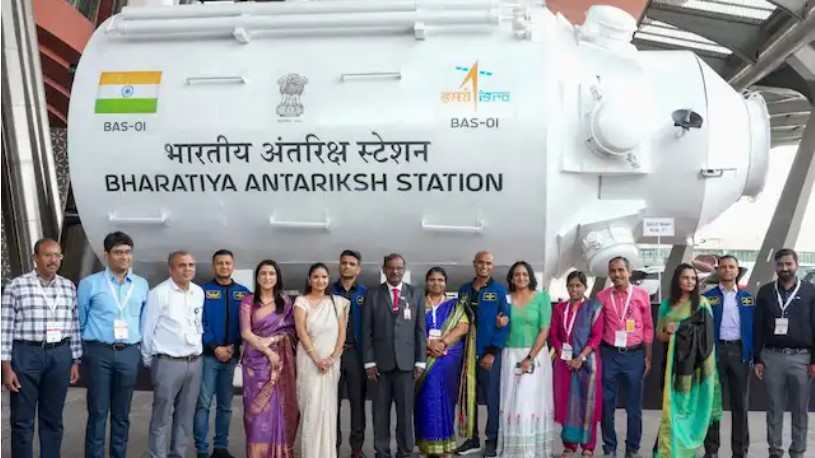
The Bharatiya Antariksh Station consists of 5 modules which will be developed in phases, with the first module targeted around 2028 and expansion towards a fully operational station by 2035. It will serve as India's indigenous orbital laboratory for long-duration human spaceflight, microgravity research and advanced technology demonstrations. The Venus Orbiter Mission will investigate the planet's atmosphere, climate, geology and surface processes, helping scientists better understand planetary evolution and Earth's climatic history and is targeted for launch in 2028. Simultaneously, ISRO is advancing reusable launch systems, next-generation launch vehicle for lunar landing, advanced Earth observation satellites, deep-space missions and future lunar exploration. Together, these initiatives align with the national vision of Viksit Bharat 2047 and position India among the world's leading spacefaring nations.
Q. With the rapid growth of India's private space sector following the space reforms, how is ISRO collaborating with startups and industry to strengthen the country's space ecosystem?
Response:
The opening of India's space sector marks one of the most significant reforms in the history of our space programme. ISRO is increasingly evolving from being solely a technology
developer to becoming an enabler, mentor and strategic partner for industry. With less than 1 space start-up in 2014, today over 400 Indian space start-ups are contributing across launch vehicles, satellite platforms, propulsion systems, robotics, AI, geospatial applications and downstream services. IN-SPACe have created an enabling ecosystem for private participation throughout the space value chain. ISRO continues to facilitate this transformation through technology transfer, access to world-class launch & testing facilities, technical mentoring and collaborative research. The increasing participation of MSMEs, academia and industry are strengthening India's manufacturing ecosystem and accelerating innovation. ISRO is in the process of transferring the technologies of PSLV, LVM3 and spacecraft bus to industry so that they can take up end-to-end manufacturing of launch vehicles and spacecraft. ISRO has also offered the PSLV Orbital Experimental Module, which is essentially the spent fourth stage of PSLV including associated systems, as an experimental platform for validating the technologies from start-ups. The future of India's space programme will be driven by strong partnerships between Government, industry, academia and entrepreneurs, enabling India to emerge as a major contributor to the rapidly expanding global space economy.
Q. Space technology today plays a vital role in governance through communication, navigation, weather forecasting, disaster management, agriculture, and national security. How is ISRO expanding its support for governance and public service delivery?
Response:
The true measure of any space programme lies in its ability to improve people's lives. ISRO's satellites today support virtually every major developmental sector of the country. Space-based services assist in precision agriculture, crop forecasting, fisheries advisories, groundwater assessment, urban planning, forest monitoring, disaster response, cyclone prediction, flood mapping and environmental conservation. Our communication satellites support education, healthcare and digital connectivity across the nation. India's indigenous NavIC navigation system continues to strengthen transportation, maritime operations, logistics and emergency services through reliable positioning and timing capabilities. Looking ahead, ISRO is integrating Artificial Intelligence, cloud computing, geospatial analytics and big data to transform satellite-derived information into actionable intelligence for policymakers. Our objective remains unchanged—to harness space technology for inclusive growth, sustainable development and improved governance, making the last mile delivery to every citizen in the remotest of the remote corners of our country. Further, ISRO provides free access to its archived satellite data up to a certain resolution, which is expected to further boost applications for better governance.
Q. India is increasingly becoming a trusted global partner in launching satellites. How do you see ISRO's international collaborations evolving in the coming years?
Response:
International cooperation has always been integral to India's space programme. As our technological capabilities expand, so do opportunities for meaningful global partnerships. The NASA–ISRO NISAR mission is a landmark collaboration that will enhance global understanding of climate change, ecosystems and natural hazards. Previously, MeghaTropiques and SARAL satellites, which were built in collaboration with France have contributed significantly to the respective user communities. TRISHNA (with France) and LuPex (with Japan) are other upcoming joint collaboration initiatives. During the G20 summit, our honourable PM announced the G20 satellite that will host multiple international payloads related to climate change. Enabling capacity building within friendly countries through collaboration in building small satellites has generated lot of good will.
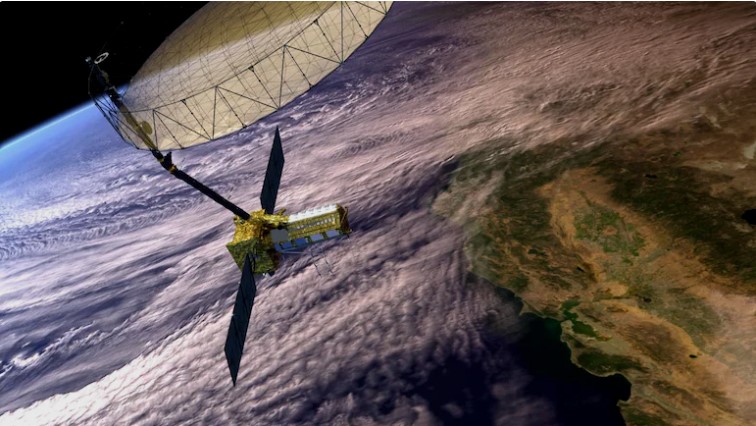
The South Asia Satellite, an initiative by the Honourable PM, provides communication transponders to the South Asian countries. Our global standing in space and international collaboration have enabled the training of our Gaganyatris in world class facilities and also the Axiom-4 mission. Going forward, India seeks deeper collaboration in human spaceflight, planetary exploration, Earth observation, climate monitoring, space situational awareness, disaster management and space science. We remain firmly committed to the peaceful use of outer space and to leveraging international cooperation for the advancement of science and the benefit of humanity, being in-line with the legal and regulatory frameworks of UNOOSA.
Q. Developing cutting-edge space technology requires sustained investment and innovation. Are the current resources and infrastructure adequate to meet ISRO's future ambitions, and what areas require greater attention?
Response:
India has built a strong technological foundation over the past six decades. However, future programmes such as human spaceflight, reusable launch systems, deep-space exploration and advanced planetary missions require sustained investment in infrastructure, research and human capital. Priority areas include advanced materials, reusable launch systems, high thrust LOXMethane propulsion systems, electric propulsion, quantum communication, artificial intelligence, robotics, autonomous systems. Equally important is strengthening collaboration among Government laboratories, academia, industry and start-ups to accelerate innovation and indigenous technology development. Recently, the Department of Space conducted a National Meet with most of the Central Government ministries as well as the states/UTs to understand their requirements from space technology.The outcome of the Meet is that we need about 3 times the number of satellites to address the national requirements for governance and security. We also need to expand our capabilities in Space Situational Awareness considering the increasing concerns on space debris and safety of space assets. With continued national commitment and growing industrial participation, I am confident that India's greatest achievements in space are still ahead.
Q. As Chairman of ISRO, what has been the most challenging aspect of your role, and what leadership principles guide you while steering one of the world's leading space agencies?
Response:
Leading ISRO is both a privilege and a profound responsibility. Every mission carries the aspirations of 140 crores Indians and reflects years of dedication by thousands of scientists, engineers, technicians and industry partners. My leadership philosophy is founded on integrity, scientific rigour, teamwork, transparency, accountability and continuous learning. Space missions demand meticulous planning, uncompromising quality and collective excellence. A culture of meticulous reviews and quality consciousness has to be effectively sustained along with generating inspirational goals for the youth.
At ISRO, success belongs to the entire team. We encourage innovation, empower young professionals, learn from every challenge and uphold the highest standards of technical excellence. Our greatest strength has always been our people, whose commitment continues to propel India's space programme to greater heights.
Q. What is your long-term vision for ISRO, and what message would you like to give to young Indians who aspire to build careers in science, engineering, and space research?
Response:
My vision is to see India emerge as one of the world's foremost spacefaring nations, recognised for scientific excellence, technological leadership, innovation and responsible
global partnership. In the coming decades, ISRO will continue advancing human spaceflight, the Bharatiya Antariksh Station, planetary exploration, next-generation launch systems, space science, commercial space activities and frontier technologies, while ensuring that every advancement contributes to national development and societal well-being. To the youth of India, I would convey that in these most exciting periods in our scientific journey - build strong fundamentals, remain curious, embrace challenges and pursue excellence with perseverance and integrity. Remember, every historic mission begins with a dream. The future of India's space programme will be shaped by your ideas, your innovation and your determination. I have every confidence that the next generation will take India's achievements in space to even greater heights.
As India embarks on a new era of space exploration, ISRO's ambitious roadmap reflects the country's growing scientific capabilities and global aspirations. Dr. Narayanan's vision underscores a future driven by innovation, self-reliance and a commitment to harnessing space technology for the benefit of humanity.
(Asstt.Editor)


Related Posts
India, Uganda reaffirm mutual appreciation for bilateral partnership
India's core sector output slows to 4.8% in August
Asian Games: Suchika wins historic bronze medal for India in MMA