 Newsinc24 Team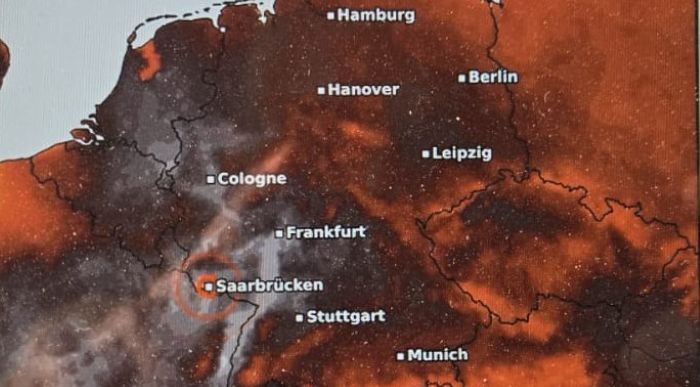
Germans braced for sweltering conditions on Saturday as a heatwave linked to dozens of deaths in Western Europe was expected to move east after temperatures broke records above 40 degrees Celsius (104 degrees Fahrenheit). Britain, France, Switzerland and Germany have all experienced record heat in June, and the weather system could test more records as it rolls across Germany towards Poland. "The heatwave is going to peak at the weekend, well over 40 degrees in some parts of Germany," said Karsten Brandt, a meteorologist at weather forecasting site Donnerwetter.de.
On Friday, a new German record of 41.3 C was reached near the city of Saarbruecken close to the French border, a spokesperson for Germany’s National Meteorological Service said, noting the reading was still preliminary. In France, dozens of people both young and old have died during the heatwave. Temperatures above 40 C have disrupted rail travel and power generation, sparked alcohol bans, suspended schools and postponed outdoor events.
German national rail operator Deutsche Bahn has given customers the option of cancelling long-distance travel bookings into early next week without charge due to the heatwave. The company said its infrastructure is under particular strain because of sun exposure and additional risk to signals, tracks and overhead wires stemming from thunderstorms and wildfires. Parts of Germany, mainly in the southwest, have already experienced a much hotter June than usual. The most extreme heat is forecast to begin fading at the weekend, with heavy thunderstorms expected on Sunday.
This weather pattern traps a bulging ball of hot air over regions for extended periods, with cooler air on its fringes. Demand for electric fans has shot up, and Asian air conditioning makers have reported a European sales boom. Most of the housing stock in Northern Europe is not built to temper heat but rather to keep it in.
Europe is sweltering through another brutal heatwave this week, with France hitting 43.8°C and the UK shattering June temperature records.
— The Sacred Scroll (@SacredScroll) June 26, 2026
But there's a specific reason these temperatures hit Europe so hard: the entire continent's infrastructure was built for a climate that… pic.twitter.com/dph5vcE69b
The present heatwave will begin shifting by the end of the month, hitting Central Europe and the Balkans, the World Meteorological Organization said. Scientists said the heatwave would have been virtually impossible without man-made climate change, which has made this week’s night-time temperatures 100 times more likely than they would have been even two decades ago.

















Related Items
Harshita, the1st Indian woman to feature at Tour de France Femmes
Over 20,000 evacuated as wildfire rages in southwest France
France becomes the first EU country to ban social media for children