 B I Saini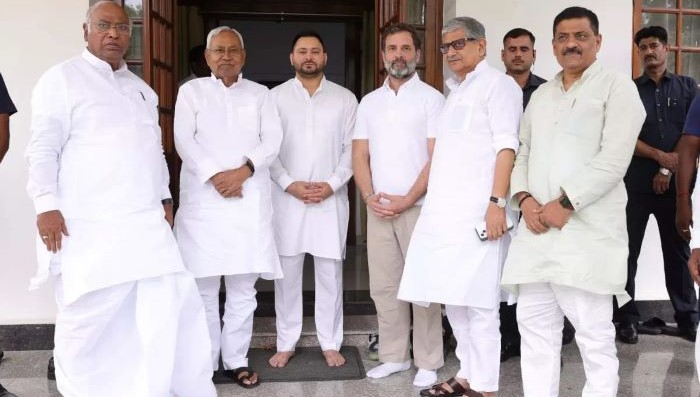
The prospects of the opposition parties coming together to mount a united assault on the well entrenched Narendra Modi led BJP looked bleak just a few weeks back. At the most, it seemed that the Congress may form alliances with parties in the states where they are already in alliance or sharing power. Such states are Bihar, Jharkhand, Tamil Nadu and Maharashtra basically. But there appeared hardly any chance of the Congress forming any alliance with the parties ruling states like West Bengal, Delhi and Punjab, and Telangana, where the ruling parties are in direct fight with the BJP as well as the Congress.
In fact, some of the leading lights of the state level ruling parties were talking of forming a non Congress opposition coalition to take on the Narendra Modi led BJP in the 2024 Lok Sabha elections. Leaders such as Mamata Banerjee, K Chandrasekhar Rao had even initiated preliminary discussions with this objective.
But there has been a sea change in the situation in the past few weeks. Bihar Chief Minister and Janata Dal United leader Nitish Kumar visited Delhi earlier this month and held talks with Congress leaders and also those of some other opposition parties including significantly the Aam Aadmi Party, which is ruling Delhi as well as Punjab.
The question arises, what has led to this change and the reinforcement of the idea of a united opposition to take on the BJP.
One factor which cannot be ignored is the increasing use of central agencies like the CBI and the Enforcement Directorate against opposition leaders. Two leaders of the Aam Aadmi Party including erstwhile Delhi Deputy Chief Minister Manish Sisodia are in jail in cases instituted by the CBI and ED. Delhi Chief Minister and AAP Supremo Arvind Kejriwal has also been interrogated in the excise policy case.
The central agencies have also been targeting opposition leaders in other states like West Bengal, Telangana, Tamil Nadu and Maharashtra.
The ruling dispensation at the Centre, of course, has been claiming that the central agencies are only targeting the corrupt, and are acting without bias or prejudice. But the opposition parties are not buying this claim.
Another event, which has brought the opposition parties closer, is the disqualification of Congress leader Rahul Gandhi from the Lok Sabha after being convicted of defamation by a Surat court.
Though the opposition parties have made a move towards coming together, the challenges in the way of an effective alliance remain. The test will come in states like West Bengal, Telangana and Punjab. How will Mamata Banerjee’s TMC accommodate the Congress and the Left. Will the Aam Aadmi Party cede space to the Congress in Delhi and Punjab? Unlikely as of now. Similar issues will arise in other states like Telangana, Kerala and Rajasthan. Another factor is the Aam Aadmi Party’s national ambitions. In many states, it wants to replace the Congress as the main opponent of the BJP. For example, it had decided to contest 200 odd seats in the Karnataka Assembly elections, which are underway.
Nitish Kumar is likely to pay another visit to the national capital towards the end of April for another go at the mission Opposition Unity. A lot of give and take will be required if the opposition parties are to mount a united challenge to the ruling BJP in next year’s general elections. Let us wait and see.
(Writer is a retd IIS officer and a political analyst}








Related Items
3-day Dryland Congress 2026 concludes in New Delhi
Harish Rawat quits Congress posts after ED raids on PA
BJP passes resolution condemning Congress over Vande Mataram