 Newsinc24 Team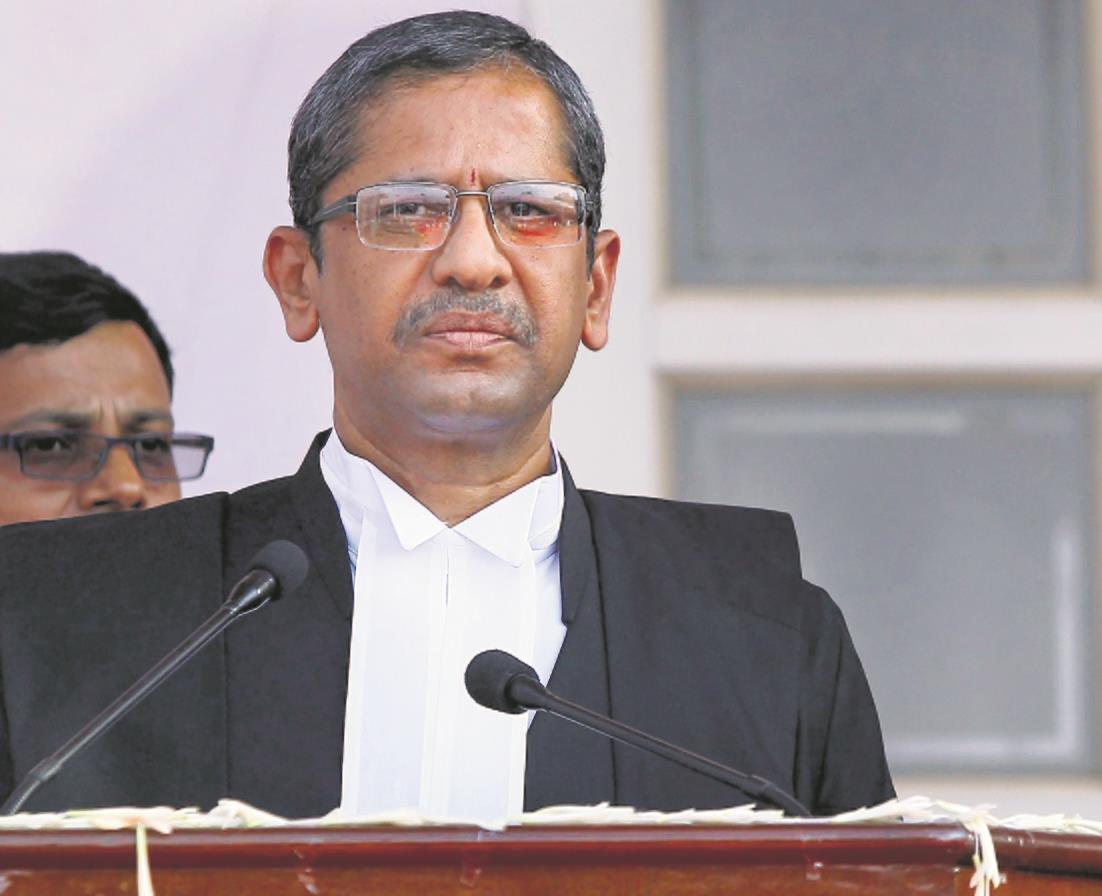
Chief Justice of India NV Ramana has said while calling for the 'Indianisation' of the country's legal system. “When I say Indianisation, I mean the need to adapt to the practical realities of our society and localise our justice delivery systems, so that common man should not be apprehensive about approaching the courts and authorities," he said.CJI Ramana was speaking at a function organised by the Karnataka State Bar Council. He paid tribute to Late Justice MM Shantanagoudar.
Ramana stated that the need of the hour was the ‘Indianisation’ of our legal system to make it more ‘litigant-centric’. parties from a rural place fighting a family dispute are usually made to feel out of place in the Court. They do not understand the arguments or pleadings which are mostly in English, a language alien to them. These days judgments have become lengthy, which further complicates the position of litigants. For the parties to understand the implications of a judgment, they are forced to spend more money, the CJI said.
He further said that while approaching the Court, the common man should not feel scared of the Judges and courts. He should be able to speak the truth. It is the duty of lawyers and judges to create an environment which is comforting for the litigants and other stakeholders. He also encouraged the use of alternate dispute resolution mechanisms such as mediation to reduce friction between parties and save resources. “This also reduces the pendency and the requirement for having lengthy arguments with lengthy judgments” he said. He said justice delivery should be more transparent, accessible and effective.“The simplification of justice delivery should be our pressing concern. It is crucial to make justice delivery more transparent, accessible and effective. Procedural barriers often undermine access to justice,” CJI Ramana said.





Related Items
Manoj Kumar Sharma takes charge as 33rd Chief Justice of Nepal
US Justice Dept drops investigation into Fed Chair Powell
Can't delay justice: Rijiju to Kharge on women's quota law