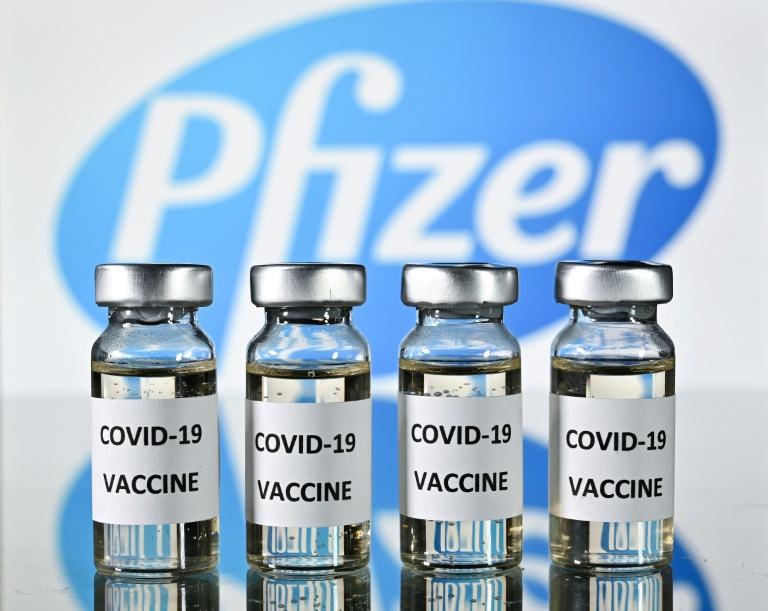
It is a great moment of hope as India begins the world’s largest vaccination drive, but we must remember that it is too early to think of an absolute triumph over COVID-19.
India is reportedly planning to use 600 million vaccines doses to the most vulnerable sections in the next 6-8 months. But to break the chain of viral transmission it is essential for at least 70% of the 1.3 billion strong Indian population to acquire immunity to SARS CoV 2 virus, leading to herd immunity at the national level. Numerically, this amounts to 910 million people. Since both the vaccines being used in India need two doses, this would necessitate 1820 million doses of vaccines to achieve sufficient vaccine coverage to reach population immunity.
What are the different vaccines available (or under final stages of testing) and what are the differences between them?
Researchers have been working worldwide on vaccines against SARS-CoV-2. Through unprecedented public/private partnerships, a few vaccines have already been developed and received emergency authorization (A) (B). The most prominent of them are that of Pfizer/BioNTech, Moderna and AstraZeneca/University of Oxford. A number of other vaccines are also in the pipeline. A summary of vaccine developments (as of January 19, 2021), including the mechanism used in different vaccines, is given at the end of this post.
Will the vaccine be safe since it is studied for a short time span? What are the risks and side effects associated with taking the vaccine?
All vaccines (including the COVID-19 vaccines) are subjected to clinical trials that test both the safety and efficacy of the new vaccine. Clinical trials often run for several months, sometimes for a few years. Since no vaccine is 100% safe, a new vaccine is approved for general population only when its benefits outweigh its risk. The remarkably fast pace of vaccine development means that we had only months, not years, of follow-up.
Before receiving approval for emergency use, all the vaccines have gone through verification by a number of national regulators. Experts have found them to be reasonably safe in respect of existing data.
In general, the expected side effects for all the 4 vaccines (Pfizer/ BioNTech, Moderna, AstraZeneca and Bharat Biotech) are listed as pain, redness and swelling at the site of injection, chills, fever and muscle pain, body and headache, fatigue and weakness, and in a few cases, rashes, nausea and vomiting. Severe allergic reactions that may very rarely occur include (but are not limited to) difficulty in breathing, swelling of face and throat, fast heartbeat, body rash, dizziness and weakness. There are always rare chances that serious and unexpected side effects may occur, as seen in all currently available vaccines for other diseases.
As with other immunizations, severe reactions typically occur within days or weeks after administration. Long-term side effects with vaccines are fortunately quite rare.
Analgesics and antipyretics such as acetaminophen or ibuprofen are effective in managing post-vaccine side effects including injection-site pain, myalgias (muscle pain, weakness), and fever. However, the CDC does not recommend pre-vaccine administration of these drugs, as they could theoretically blunt vaccine-induced antibody responses. Because of the small risk of anaphylaxis (severe, potentially life-threatening allergic reaction), sites that administer the vaccines must have on hand strategies to evaluate and treat these potentially life-threatening reactions (C).
Based on Pfizer-BioNTech vaccine trial reports, most people are unlikely to have severe allergic reactions to the vaccine, but the shots might come with temporary side effects such as fever and muscle pain, which is an indication that the immune system is doing its job. Pregnant women and women trying to conceive were not included in the first round of clinical trials for the COVID-19 vaccines, so no safety data is currently available for these groups [6, 12].
The Moderna vaccine appeared to be generally safe, though some subjects developed headaches and other mild to moderate reactions.
In the USA, out of a reported 1,893,360 first doses of the Pfizer-BioNTech vaccine (administered between December 14 and 23), 21 cases of anaphylaxis cases were reported. That is 11.1 cases per million doses. Of these, 71% occurred within 15 minutes of vaccination. The data on Modern’s mRNA vaccine is still limited, but out of an estimated 224,322 first doses of the vaccine (administered between December 21 and 23), only one anaphylaxis case was reported (D).
What about the two vaccines currently being used in India?
India started vaccinating healthcare and other frontline workers from January 16 with either Covishield manufactured by Pune-based Serum Institute of India, or Covaxin, which is indigenously developed by Hyderabad-based Bharat Biotech in collaboration with the Indian Council of Medical Research.
In India, test data have been verified by a team of experts at The Central Drugs Standard Control Organization (CDSCO), which is the Indian regulatory body for pharmaceuticals and medical devices as well as the Indian Council of Medical Research (ICMR).
Covishield is Serum Institute’s version of the vaccine originally co-developed by AstraZeneca and the University of Oxford (AZD1222), which was shown in clinical trials to be safe and effective at preventing symptomatic COVID-19, with no severe cases and no hospitalizations more than 14 days after the second dose [7]. However, two separate late-phase neurological events occurred in the Phase 3 trial of this vaccine in the UK. (E) [6, 7].
On the other hand, Covaxin is an inactivated/killed SARS CoV2 whole-virus based vaccine [8], which has demonstrated the ability to produce antibodies against COVID-19 in phase 1 and phase 2 clinical trials [9, 10]. However, the clinical efficacy of Covaxin is yet to be established and it is still being studied in phase 3 clinical trial. Hence, it is important to appreciate that the effectiveness of the vaccine is not fully established yet since it has not been tested in a large enough population (F).
Limitations of this type of vaccine (and not specifically just Covaxin) includes the requirements of booster shots to maintain the immunity and furthermore, large amounts of viruses need to be handled and the integrity of the immunogenic particles must be maintained [6, 8]. The overall incidence rate of local and systemic adverse events in the Phase 1 and 2 trials of this vaccine is noticeably lower than the rates for other SARS-CoV-2 vaccine platform candidates and comparable to the rates for other inactivated SARS-CoV-2 vaccine candidates.
Based on information received till 17th January, over 2.24 lakh people were given Covid-19 vaccine in two days in India, and 447 adverse events, including three requiring hospitalization, have been reported (https://science.thewire.in/health/coronavirus-daily-updates-covid-19/).
How to decide which vaccine to take since there are multiple vaccines available? What does 95% efficacy mean? Why do some vaccines like Pfizer or Moderna have 95% efficacy while others have 90% efficacy? Does it mean one is better than the other?
Both Pfizer/BioNTech’s and Moderna’s vaccines are remarkably effective with 95% clinical efficacy reported from clinical trial studies. This means that in large clinical trials that enrolled tens of thousands of people, the vaccines lowered the chance of developing Covid-19 by around 95% as compared with placebo injections [11, 12]. Also, latest study results of the AstraZeneca/University of Oxford vaccine show that the vaccine is up to 90% effective in preventing infection depending upon the dosing regimen.
Although we consider data from randomized, placebo-controlled trials to be the strongest form of clinical evidence, additional details make the results even more compelling. First, the vaccines prevented not only any disease due to SARS-CoV-2, but quite importantly, severe disease. Second, the studies enrolled participants who were quite representative of the US population - age, sex, race, and ethnicity all broadly included. Third, while both vaccines are given as two doses, some protection became apparent just 10-14 days after the first dose. However, the 95% vaccine efficacy results come after the second dose, which boosts the immune response and is likely to make it more durable.
This means that both Pfizer/BioNTech’s and Moderna’s mRNA vaccines are slightly more effective (at least for the short term that it has been studied) than the AstraZeneca/University of Oxford viral vector-based DNA vaccine but this could also be due to the difference in strategy used. Overall, they are all very effective and very comparable.
From a general perspective, recommendations are quite similar for all 4 vaccines - each is two shots, and they are applicable to mostly similar populations. In these times of limited supply, we should be advising all eligible persons to get the vaccine that’s made available to them.
However, once the vaccine series has started, it should be completed with the same vaccine on the recommended schedule as different COVID-19 vaccines are not interchangeable.
What are the risks associated with not taking the vaccines?
If you are a frontline health worker in India then every day you are taking a very high degree of risk. Even for others, there are risks associated with delay, skip, or reject taking the Covid-19 vaccine. With this decision comes an important responsibility to protect your child’s life, or the life of others in your family or community from Covid-19. People of all ages are susceptible to illness from SARS-CoV-2. While we continue to learn more about COVID-19, we know the risk is aggravated due to certain health conditions and among older adults (G).
Is it really required for me to take the vaccine, what about herd immunity?
Those who believe herd immunity can be achieved through natural course of infection are misguidedly thinking that the virus just needs to run its course and it will be gone, especially after a section of the population has already been vaccinated. One glaring problem with that idea is we don’t know that how long people are immune once they’ve been infected, particularly since antibody titer levels in the blood decreases rapidly after 2-3 months post-recovery. If immunity is not long lasting, or if people with mild infection do not develop immunity, herd immunity without a vaccine cannot be achieved.
Then, there are reports of people getting second bouts of COVID-19 disease, though symptoms may be less severe. Ironically, these may be the same people who will oppose or down-play the need to wear masks or social distance with the assumption that others are vaccinated, and therefore they are protected.
Expected societal benefits in India– for those who will be vaccinated now and also for the rest.
COVID-19 vaccination will be a safer way to help build protection. COVID-19 can have serious, life-threatening complications (H), and there is no way to know how it will affect each individual. Each infected person could spread the disease to friends, family, and others around them. COVID-19 vaccination will help protect individuals by creating an antibody response without having to experience sickness.
Getting vaccinated at the individual level may also protect people around us, particularly people at increased risk for severe illness from COVID-19.
It is yet to be established with 100% certainty but based on our experience with other vaccines and early data from the COVID-19 vaccines, it is more likely that people who are vaccinated will have enough immunity where they will not pass the virus to others.
COVID-19 vaccination will be an important tool to help stop the pandemic by reducing spread of the disease in communities. Wearing masks and social distancing help reduce our chance of being exposed to the virus or spreading it to others, but these measures are not enough. Vaccines will work with our immune system so it will be ready to fight the virus if we are exposed.
(The blog first appeared in radiantways blog. The writer is US based)
















Related Items
Census 2027: Questions on caste, Covid vaccination among 40 notified
US Scientist funded Wuhan Lab that sparked Covid: Tulsi Gabbard
Putin warns of COVID-scale global impact from Gulf conflict