 Newsinc24 Team
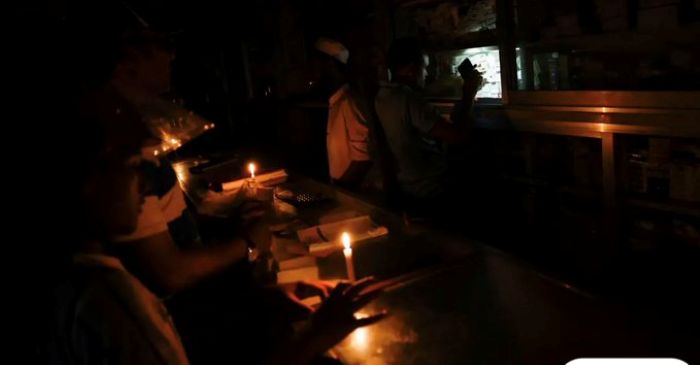
 Bangladesh is currently facing a severe energy crisis marked by massive natural gas deficits, widespread rolling blackouts stretching up to 8 to 12 hours daily, and a widening 5,000 megawatt grid shortfall. National grid data reveals a mounting deficit exceeding 3,000 megawatts (MW) during peak hours. Rural areas bear the heaviest burden, with many districts receiving only 5 to 7 hours of electricity a day. The growing strain has forced rolling blackouts into major urban centers, including the capital city, Dhaka.
Under a government directive that took effect on Thursday, shops, markets and shopping malls have been directed to shut shop by 8 pm, according to a Reuters report. Commercial establishments are now permitted to operate only between 11 am and 8 pm while hospitals, pharmacies and food-related businesses have been exempted.Energy sector officials estimate that the current crisis—driven by bad weather, technical glitches at offshore Liquefied Natural Gas (LNG) terminals, and fuel supply constraints—will persist for at least another week.Bangladesh imports over 90% of its oil and 30% of its gas. Bangladesh’s power sector requires more than 1 billion cubic feet of gas a day, but currently it has only 700 million cubic feet.
According to media reports, extended blackouts lasting up to 20 hours in parts of Rangpur, Gopalganj, Tangail, and Netrokona have sparked public outrage. Vandalism, office sieges, and physical assaults on utility staff have been reported in several districts.Incidents of vandalism and arson were reported from Saidpur, Nilphamari, and Kushtia, while power department officials were attacked during drives to collect outstanding electricity bills in some areas.
Addressing reporters at the Secretariat, State Minister for Power and Mineral Resources Anindy Islam Amit emphasized that the government is exploring short-term imports to bridge the gap. “Previous administrations relied on temporary fixes rather than long-term policy solutions, leaving us vulnerable to the crisis we face today. However, we are taking strategic steps to bring relief as quickly as possible,” he allaeged. Bangladesh has again turned to India for help and requested for additional diesel supplies. Bangladesh energy minister Iqbal Hassan Mahmood last week told reporters, “We have a pipeline with India through which diesel is supplied. We have asked them to provide more.”
As part of a 15-year agreement, India sends 1,80,000 metric tonnes of diesel annually to Dhaka. India has already sent over 30,000 tonnes of diesel to Bangladesh in March and April during the Middle East turmoil despite ties between the two neighbours going through turbulence that started when Mohd Yunus became the interim leader.The India-Bangladesh Friendship Pipeline, operationalised in 2017 during Sheikh Hasina's tenure, plays a vital role in ensuring Bangladesh’s energy security.


_(5).jpg)








Related Items
India's Ethanol Story: From Sugarcane to Energy Security
Agri GVA rises to Rs 52.08 lakh cr as India's farm economy expands
India's retail inflation rises to 4.45% in July on food prices