 Newsinc24 Team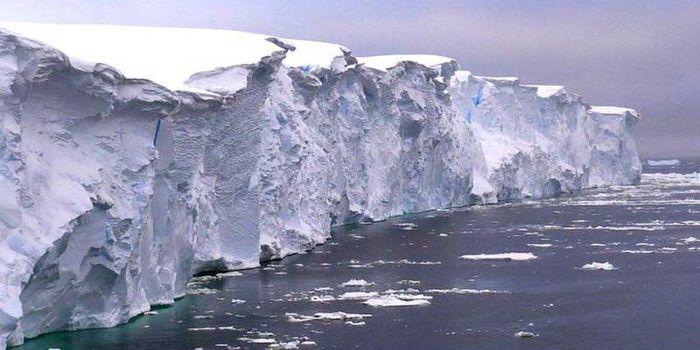
Scientists have warned of dramatic changes at one of the biggest glaciers in Antarctica, potentially within the next five to 10 years. They say a floating section at the front of Thwaites Glacier that until now has been relatively stable could shatter like a car windscreen. US and British researchers are currently engaged in an intense study programme at Thwaites because of its melt rate. Already it is dumping 50 billion tonnes of ice into the ocean each year. This is having limited impact on global sea levels today, but there is sufficient ice held upstream in the glacier's drainage basin to raise the height of the oceans by 65 centimeters if all ice were to melt. Presenting their data on 13 December, glaciologists showed that the warming ocean is eroding its eastern ice shelf from below, causing large cracks to appear in several places.
If the shelf doesn’t fragment into hundreds of icebergs first, it could become unmoored from the ridge (and therefore the sea floor) and set loose. Although the loss of this eastern portion would represent a relatively small amount of Thwaites, it’s the knock-on effects that could be truly disastrous. Thwaites, which Crawford describes as “a kind of monster”, is already releasing 50 billion tonnes of ice into the ocean each year, accounting for around 4 per cent of global annual sea level rise. If the glacier were to completely collapse, it would bring sea levels up by 65 cm


Related Posts
MCD, DU also responsible for building collapse tragedy: Delhi HC
Delhi building collapse: Magisterial probe ordered, FIR filed
Thirty dead in Central African Republic Gold mine collapse