 Farwa Aamer
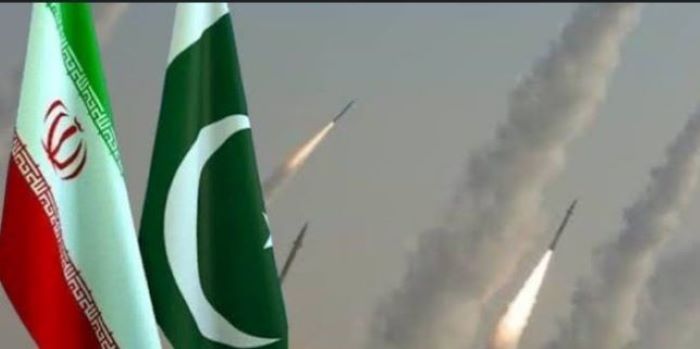
The recent cross-border incident between Iran and Pakistan, marked by Iran's targeted strikes on alleged bases of the militant group Jaish al-Adl, has not only intensified an already tense situation in the Middle East/South Asia region but also triggered a series of diplomatic and geopolitical responses from both sides.
Pakistan's swift and strong condemnation of the episode underscores the gravity of the situation. The occurrence of such an incident despite existing channels of communication between Pakistan and Iran, coupled with the recent meeting between Pakistan's caretaker Prime Minister and the Iranian Foreign Minister on the sidelines of Davos, raises serious concerns about the effectiveness of diplomatic mechanisms in preventing such events. In response, Pakistan has decided to recall its ambassador from Iran, and the return of the Iranian Ambassador to Pakistan is uncertain. Additionally, Pakistan has suspended all high-level visits between the two countries, signaling a strong strain in bilateral relations and there are emerging concerns that the situation will only intensify in the coming days. During the Davos summit, Iran's Foreign Minister, in direct response to the incident, made a resolute statement affirming that there will be no compromises when it comes to preserving the integrity and stability of the nation's security. This firm stance serves to further underscore the challenging nature of the relations between the two countries at this juncture.
The incident's timing holds particular significance, given Pakistan's upcoming elections in February. With national security expected to be a central concern for the electorate, political discourse is likely to be shaped by the government's and military's responses to the security challenges posed by the cross-border strike. While some discussions about potential election delays owing to security factors have surfaced, such a scenario appears unlikely at this point but not impossible.
Amid these developments, a comprehensive diplomatic strategy becomes even more crucial for both Pakistan and Iran. The incident has not only heightened the potential for broader regional instability but has also caught the attention of the international community. Strategic diplomatic interventions are deemed essential to de-escalate tensions and prevent any ripple effects that could further destabilize the region.
"India, as a neighboring player, is closely monitoring the situation and has established its stance by characterizing it as a bilateral matter. India maintains an 'uncompromising position of zero tolerance towards terrorism' while acknowledging the actions countries take in self-defense."
China, a key regional player with strong ties to both Iran and Pakistan, could assume a critical role in the unfolding scenario. Its extensive economic interests and strategic projects, such as the China-Pakistan Economic Corridor (CPEC), make the region's stability vital for its foreign policy and development goals. All eyes will be on China's response and whether it will leverage its diplomatic and strategic influence to encourage dialogue and mediate things between Pakistan and Iran.
(Farwa Aamer, Director of South Asia Initiatives, Asia Society Policy Institute, New York)
Disclaimer: Views are of the writer, not newsin24)

Related Posts
India pushes for BIOFIN, tech transfer & global cooperation
India-EU investment protection agreement under discussion: Goyal
Mirabai Chanu to lead India at world weightlifting c'ships in China