 Jude Michael Raj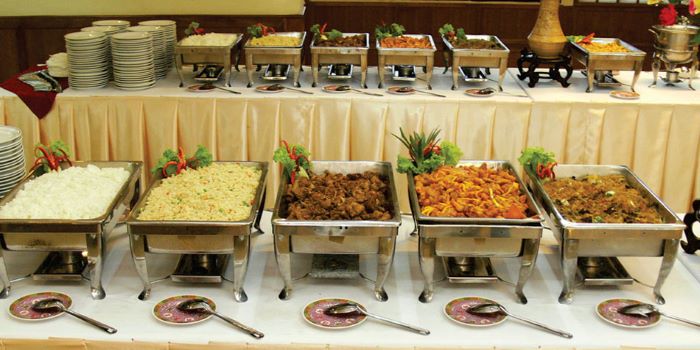
A common catering problem that often arises from kitchens that are ill-equipped or unsuitable for the food being prepared leads to food poisoning. Food poisoning can occur when caterers don't handle, cook or store food properly. Here are some of the common catering mistakes which can lead to the growth of bacteria which causes food poisoning:
Undercooking of raw foods such as meat and poultry – bacteria can survive as a result of inadequate cooking
Slow reheating and slow cooking under low heat – provides the ideal temperature (20°C to 50°C) for bacteria to grow wImproper cooling – allows food to stay too long (over two hours) at the ideal temperature for bacteria to grow.
Cooking food too far in advance – increases the chance of food becoming contaminated with bacteria.
Not storing food properly and incorrect temperatures for transportation and storage – allows the growth of bacteria.
Poor personal hygiene from food handlers – can lead to contamination of food through dirty hands, coughing, cross contamination etc.
All of the elements involved in running a catering operation must be correctly managed to avoid causing food poisoning.
Use Adequate Catering Facilities
Food preparation areas as well as all cooking and refrigeration facilities must be suitable for the volume of food being prepared. Catering premises should adhere to the standards for flooring in food preparation and storage areas, have adequate hand washing and refrigeration facilities, and must be designed to exclude pests and vermin.
Store &Transport Food Safely
Another common cause of food poisoning is inadequate handling and storage of food that hass been prepared at one site and transported and served elsewhere.Food must be maintained at the appropriate storage temperature during delivery to another site.
Transport vehicles should be designed and constructed in accordance with FSSAI's legislation.
There needs to be adequate hot or cold storage, and display unit capacity, so food can be stored at the
appropriate temperature – less than 5°C for cold food, above 60°C for hot food.
All food must be adequately protected (enclosed or covered) when stored or displayed to prevent contamination by dust, insects or other sources. This is especially important if catering for outdoor events, especially during summer when flies can be a problem. It is important to protect food and utensils from contamination.
Cook Food Properly
Food poisoning outbreaks can occur when food is not cooked properly.
Thaw frozen foods completely before cooking, especially large cuts of meat or poultry which may not cook right through if they have't been fully thawed.
Frozen food should only be thawed in a refrigerator or a microwave oven before cooking, and not left on the bench to thaw.
Food must be cooked to the appropriate internal core temperature to destroy bacteria and make it safe.
This is particularly important for meat (71°C), poultry (74°C) and seafood (63°C). Once cooked, food should be held at a temperature above 60°C or cooled to below 5°C as quickly as possible.
Partially cooked meat must – for the final cooking stage – reach its appropriate internal core temperature before being served. Other cooked food must be reheated to these temperatures before being placed in a hot holding device (e.g. bain marie).
Caterers should use a calibrated probe thermometer to check that correct cooking temperatures are reached. The probe should be disinfected before and after use, and all final cooking temperatures
recorded.
The key is to cook food in small enough batches to allow it all to reach a high enough temperature.
Also,reducing portion size by using shallow dishes instead of large pots allows food to cool or heat more rapidly and thoroughly.
Avoid Cross Contamination
Caterers should handle raw food separately from ready-to-eat food to avoid cross contamination with bacteria. Where possible, use separate equipment and utensils (knives, tongs, cutting boards etc.) for raw and ready-to-eat food, or clean and sanities thoroughly between each use. A chemical sanitizer is needed for sanitizing utensils. A separate container may be required for rinsing.
Train Staff in Food Safety & Personal Hygiene
Food handlers must be adequately trained in food safety and personal hygiene.Basic personal hygiene practices include:
Thoroughly washing and drying hands before handling food, and after:
Visiting the toilet
Blowing your nose, sneezing or coughing
Smoking
Handling raw food or waste.
Wearing clean outer clothing when handling food.
Using clean disposable gloves when handling food.
Tying back long hair or wearing a cap.
Covering cuts, sores or skin breaks with clean waterproof dressings.
Even though it is not a legal requirement to wear gloves, the Food Authority does not recommend using bare hands to handle ready-to eat food. Using tongs or disposable gloves can reduce the risk of contamination of ready-to-eat food.
Disposable gloves will only be effective if they are changed regularly, and always after coming into contact with anything that might be contaminated. Food handlers must inform employers if they have any skin, nose, and throat or bowel infections. If suffering any of these conditions they must not handle food.
Author is HSE Specialist & Trainer
(This story has been published under arragement from Better Kitchen magazine)











Related Items
India's solar powered agriculture key to Africa’s food security: PM Modi
India’s retail inflation rises to 3.93% in May as food prices accelerate
How FCI's silo programme is modernising India's food storage