 Ajay Chaturvedi
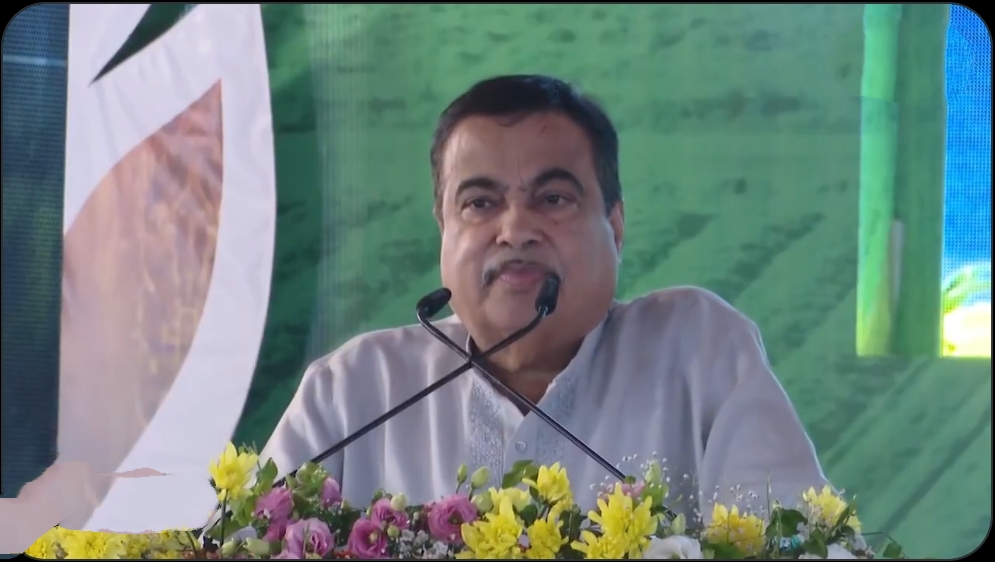
 Union Minister Nitin Gadkari on Monday attended the concluding day of the three-day ‘Unnat Krishi Mahotsav 2026’ at Raisen in Madhya Pradesh, highlighting the need for innovation, adaptability, and knowledge-driven growth in India’s agriculture sector.
Addressing farmers, experts, and stakeholders gathered in large numbers, Gadkari underscored the importance of evolving agricultural practices in line with changing times. “Our discussions here focused on how to advance and develop the agriculture sector, what kind of seeds should be used, the changes in irrigation technology, and how we can adopt organic farming practices,” he said.Emphasising the dynamic nature of knowledge and progress, the minister added, “It is important to understand that what existed yesterday may not exist today, and what exists today may not remain tomorrow. Knowledge, power, and even beauty are not permanent with any individual.”
The final day of the national-level agri event featured a series of focused sessions aimed at equipping farmers with modern techniques and sustainable practices. Morning sessions included discussions on seed systems for self-reliance in paddy, fisheries and pearl farming, agricultural credit, and Kisan Credit Card initiatives. Parallel sessions such as the KVK meet brought together experts and grassroots institutions to share insights on improving farm productivity.
Later in the day, sessions covered dairy development, animal husbandry, direct seeding of rice, and income-enhancing activities such as poultry and goat farming. Awareness initiatives, including street theatre, were also organised to engage farmers on key issues in an accessible format.
The event also featured a comprehensive review session, where key takeaways from the three-day deliberations were presented, alongside a roadmap for future agricultural growth and policy direction.The festival drew participation from thousands of farmers across districts, reflecting strong grassroots interest in modernising agriculture. It comes at a crucial time as the sector navigates challenges such as climate variability, crop damage from unseasonal weather, and the need to enhance productivity through technology and sustainable inputs.
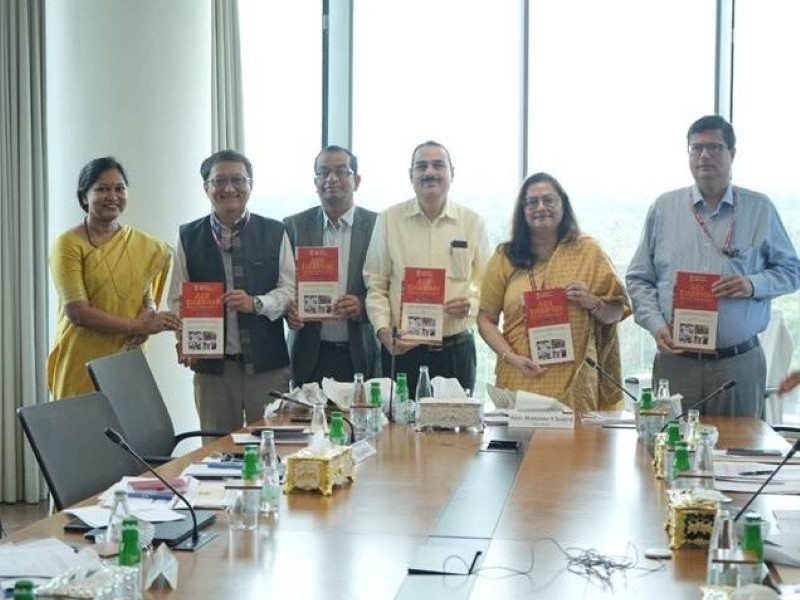
The event assumed significance as it showcased ongoing structural reforms in the agriculture sector. Officials highlighted the progress in generating over 9 crore farmer IDs across the country, enabling the creation of a comprehensive digital database capturing land holdings, crop patterns, input usage, and yield data. This initiative is expected to support targeted policy interventions and improve delivery of benefits.The Union Agriculture Ministry has also released an agri roadmap document for four districts—Dewas, Sehore, Vidisha, and Raisen—covering all aspects of farming and agricultural research. The development was shared at the event by Union Agriculture Minister Shivraj Singh Chouhan, marking a step towards region-specific planning and improved farm outcomes.
With a strong emphasis on self-reliance, innovation, and farmer-centric policies, the Mahotsav served as a platform to bridge the gap between scientific advancements and on-ground agricultural practices, reinforcing the push towards a more resilient and future-ready farm economy.











Related Items
The QR Code That Changed India
India stresses trade facilitation, supply chains at 25th SCO meeting
Moody’s raises India’s FY27 GDP growth forecast to 7%