 Ira Singh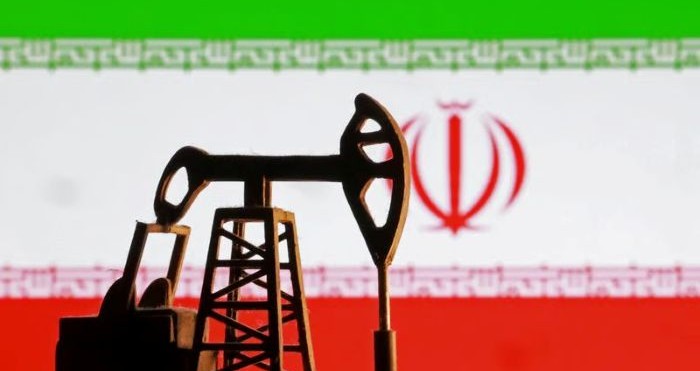
Global fuel and fertiliser prices are likely to remain elevated for an extended period as geopolitical tensions in West Asia continue to disrupt supply chains and energy markets, according to a joint assessment by the International Monetary Fund, World Bank, and the International Energy Agency.The heads of the three institutions met in Washington as part of a coordination group formed earlier this month to address the economic and energy-related fallout of the ongoing Middle East war. In a joint statement, they flagged persistent uncertainty in the region as a key factor keeping global commodity markets under stress.“The impact of the war is substantial, global, and highly asymmetric, disproportionately affecting energy-importing nations, particularly low-income countries,” the statement said.
The institutions noted that the conflict has already driven up oil, gas, and fertiliser prices, raising serious concerns around food security, inflationary pressures, and potential job losses worldwide. Disruptions to critical trade routes, especially through the Strait of Hormuz, have further compounded supply challenges, with shipping flows yet to fully normalise.Even if maritime movement resumes at regular levels, global supplies of key commodities are expected to take time to stabilise due to infrastructure damage and logistical bottlenecks. “Fuel and fertiliser prices may remain high for a prolonged period,” the statement warned.
The ripple effects of the conflict are also being felt across sectors beyond energy. The organisations highlighted that shortages of key inputs could impact agriculture, manufacturing, and other industries, while displacement of populations, job losses, and a slowdown in travel and tourism may delay economic recovery.Additionally, some oil and gas producers in the region have experienced sharp declines in export revenues, underscoring the uneven economic consequences of the crisis.
The meeting took place ahead of the release of key reports, including the IEA’s monthly Oil Market Report and the IMF’s World Economic Outlook, with leaders sharing updated assessments of the evolving situation.Reaffirming their commitment to coordinated action, the institutions said their teams are working closely to support affected countries through policy guidance and financial assistance where necessary. The IMF and World Bank, in particular, are expected to extend targeted financial support to vulnerable economies.The three bodies emphasized that they will continue to monitor developments closely and collaborate with other international organisations to mitigate the crisis’s impact, aiming to foster a stable and resilient global recovery.
(Business Correspondent)
Related Posts
India cuts edible oil import duty to lower prices ahead of festivals
Peace on border essential for business ties: Modi tells Xi In bilateral
BRICS Business Forum: Goyal seeks local currency trade