 Newsinc24 Team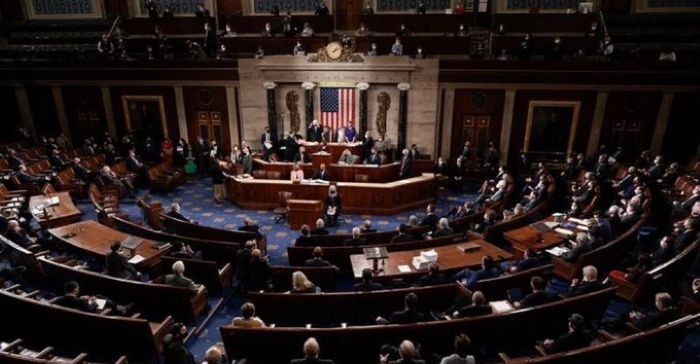
The US Senate has voted overwhelmingly to approve a bill to punish Russia and key buyers of its petroleum products, such as China and other countries, claiming that such trade helps fuel the Ukraine war. The bill, renamed the Lindsey O. Graham sanctioning Russia and Iran Act of 2026, was approved by the Senate by an 86-11 vote. This bill will allow President Donald Trump to impose 100 per cent tariffs on goods from countries that are top five importers of Russian oil and gas. With that, the bill would also extend the expiration date of the Iran Sanctions Act of 1996 to till 2031, which penalises companies that invest in Iran’s energy sector. The bipartisan bill was championed by Republican senator Lindsey Graham, who passed away on July 11, and Democrat Richard Blumenthal.
The bill goes beyond tariffs on Russian oil buyers. It also proposes sanctions against Russian President Vladimir Putin, senior political and military officials, financial institutions, energy projects and other entities linked to Russia's war effort.It would also expand US sanctions to older and reflagged oil tankers that Russia allegedly uses to circumvent existing restrictions and continue generating revenue from oil exports. The wider objective is to reduce the flow of money supporting Russia's economy and military campaign.
The legislation gives the US president the authority to impose tariffs of up to 100% on goods imported from countries that are among the top five buyers of Russian oil or natural gas. India is one of the world's biggest buyers of Russian crude, alongside China. The measure is designed to make countries choose between continuing to buy discounted Russian energy and maintaining access to the US market. Darline Graham, the late senator's sister who was appointed to his seat, said the legislation would force countries supporting Russia's economy to make a choic.
India's purchases of discounted Russian crude have increased significantly since the Russia-Ukraine war began in 2022. Russia was never a major oil supplier for India but after Moscow’s war with Ukraine began and Europe stopped buying Russian crude, it became available at huge discounts for India. The shift has helped Indian refiners lower crude costs and secure supplies despite disruptions in global energy markets.
The reliance on Russian oil has become even more important amid disruptions to shipping through the Strait of Hormuz, which have affected energy supplies from the Middle East. New Delhi has repeatedly maintained that its energy purchases are guided by national interest, energy security and the need to ensure affordable and reliable supplies.



Related Posts
Russia backs India for UNSC bid, puts veto power against West
India, US discuss Sanctioning Russia and Iran Act
Ukraine launches over 1,000 drones at Russia, Oil refinery hit, 16 killed