 Sanjay Kumar Thakur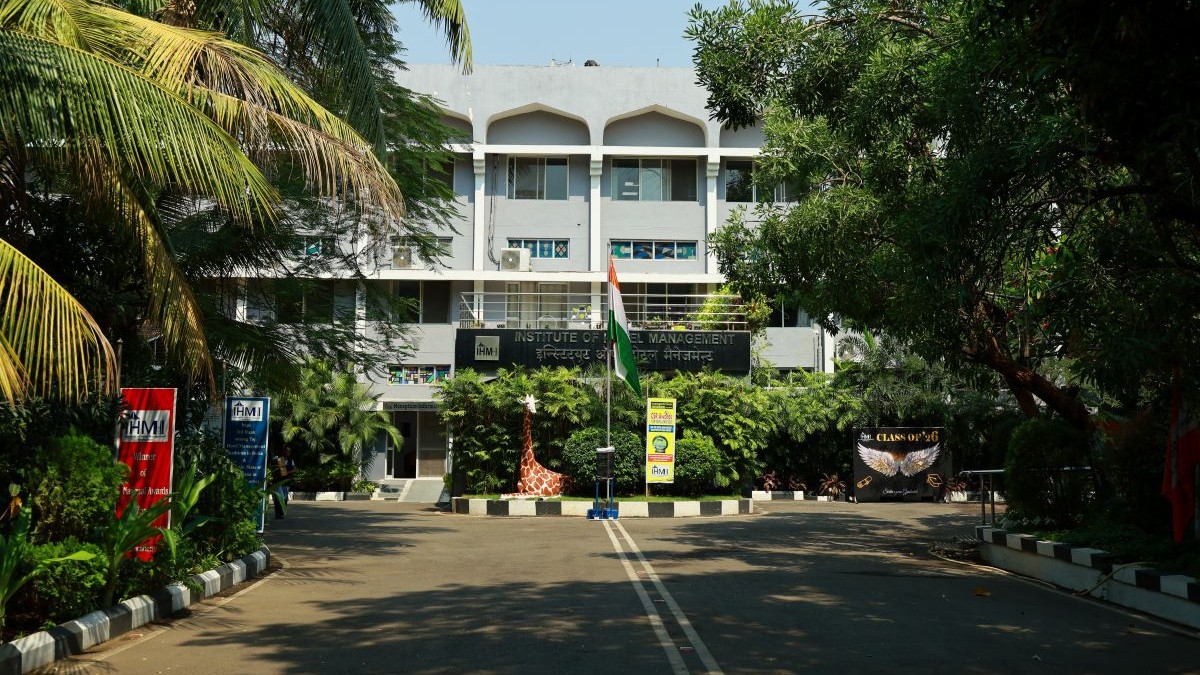
The hospitality industry is undergoing a remarkable transformation driven by technological advancements, changing guest expectations, sustainability concerns, and globalization. As one of the world’s largest service industries, hospitality today demands professionals who are not only technically competent but also adaptable, innovative, culturally aware, and capable of leading in a rapidly evolving environment. Recognizing these changing industry requirements, the National Council for Hotel Management and Catering Technology (NCHMCT), Noida, has developed a contemporary and industry-focused curriculum that prepares students for successful careers across diverse segments of the hospitality and tourism sector.
A significant milestone in hospitality education in India is the award of the Bachelor’s Degree through Jawaharlal Nehru University, one of the country’s most prestigious central universities. This academic association enhances the credibility, recognition, and value of the hospitality degree while ensuring that students receive a blend of academic rigor and professional competence.
The present curriculum reflects a progressive shift from traditional hospitality education to a multidisciplinary and skill-oriented learning framework. While maintaining a strong foundation in the core hospitality disciplines of Food Production, Food & Beverage Service, and Room Division Operations, the curriculum has been carefully redesigned to address emerging industry trends and employer expectations.
One of the notable changes is the integration of Front Office and Housekeeping Operations into the broader discipline of Room Division Management. This approach provides students with a holistic understanding of guest services, accommodation operations, guest satisfaction, and revenue optimization while reflecting the operational realities of modern hotels and hospitality establishments.
The curriculum goes beyond operational competencies by incorporating subjects that develop managerial, interpersonal, and entrepreneurial skills. Courses such as Retail Management, Customer Relationship Management, Hotel Communication, Revenue Management, Employability Skills, and Management Skills equip students with the knowledge required to understand guest behavior, enhance customer satisfaction, optimize business performance, and contribute to organizational profitability. These subjects are particularly relevant in an era where customer experience and revenue optimization are critical determinants of success.
Recognizing the importance of human-centric skills in the service industry, the curriculum places considerable emphasis on communication, leadership, teamwork, problem-solving abilities, and professional ethics. Employers today seek graduates who can communicate effectively, adapt to diverse work environments, and demonstrate confidence in handling operational challenges. The inclusion of employability-focused modules ensures that students are workplace-ready from the very beginning of their careers.
Another distinctive feature of the curriculum is its focus on Appreciating Cultural Diversity. Hospitality professionals interact with guests, colleagues, and stakeholders from different cultural backgrounds. Developing cultural sensitivity and global awareness is therefore essential. Through this subject, students gain a deeper understanding of inclusivity, diversity, and cross-cultural communication, which are increasingly important in today’s interconnected world.
The curriculum also recognizes the importance of personal well-being and emotional resilience. Subjects such as Yoga and Stress Management help students develop healthy lifestyles, emotional balance, and the ability to cope with workplace pressures. Given the demanding nature of the hospitality profession, these life skills contribute significantly to long-term professional effectiveness and personal well-being.
Sustainability has emerged as a central theme across the global hospitality and tourism industry. Hotels, restaurants, and tourism organizations are increasingly adopting environmentally responsible practices and sustainable business models. In response, the curriculum incorporates concepts related to Sustainable Tourism, responsible resource utilization, environmental stewardship, and sustainable hospitality practices. Students are encouraged to understand the broader social, environmental, and economic impact of hospitality operations and to contribute towards the responsible growth of the sector.
A noteworthy initiative of the Ministry of Tourism, Government of India, has been the encouragement of closer collaboration between the Institutes of Hotel Management (IHMs) and leading hospitality brands through strategic Memoranda of Understanding (MoUs). Partnerships with renowned hotel groups such as The Indian Hotels Company Limited, ITC ,The Leela Palaces Hotels and Resorts, Hyatt Hotels Corporation, The Park Hotels ,Lemöntree, Radisson, IHG and other established hospitality chains are proving to be highly beneficial for hospitality education.
These collaborations facilitate active participation of industry experts in curriculum review and syllabus upgradation, ensuring that academic content remains aligned with contemporary industry requirements. Industry professionals contribute through guest lectures, workshops, seminars, and skill-development sessions, exposing students and faculty members to emerging trends, technologies, and best practices. Equally important is the opportunity for faculty development through specialized training programs conducted within leading hotels, enabling educators to remain updated with the latest advancements in hotel operations and service excellence.
Such partnerships also strengthen industrial training opportunities, internships, live projects, and campus recruitment initiatives. As industry engagement deepens, students gain better exposure to professional environments, improved employment prospects, and access to higher-quality career opportunities. Enhanced collaboration between academia and industry has also contributed to stronger placement outcomes and increasingly attractive compensation packages for graduates. This synergy represents a significant value addition to the overall quality of hospitality education and ensures that institutions continue to produce professionals who are industry-ready from day one.
The strong industry orientation of the program continues through practical laboratories, industrial exposure, internships, and interaction with hospitality professionals. This ensures that classroom learning is reinforced through real-world experiences, enabling students to understand industry expectations and operational challenges firsthand.
As the hospitality industry continues to evolve, educational institutions must remain aligned with emerging trends and workforce requirements. The current NCHMCT curriculum, supported by the academic excellence of Jawaharlal Nehru University and strengthened through meaningful industry partnerships, successfully combines professional knowledge, practical skills, managerial competence, technological awareness, cultural sensitivity, and sustainability principles. It prepares graduates not merely for employment but for leadership roles in hotels, restaurants, tourism organizations, airlines, cruise lines, retail services, facility management, entrepreneurship, and other allied sectors.
In conclusion, hospitality education in India is entering an exciting phase where academic excellence, industry relevance, and experiential learning go hand in hand. The revised curriculum reflects the vision of creating future-ready professionals who possess technical expertise, managerial capabilities, social responsibility, and a global outlook. The collaborative efforts of NCHMCT, Jawaharlal Nehru University, the Ministry of Tourism, and leading hospitality organizations are collectively shaping a new generation of hospitality professionals capable of meeting the challenges and opportunities of the future with confidence and competence.
(Sanjay Kumar Thakur, Principal / Member Secretary,Institute of Hotel Management (IHM), Hyderabad)


Related Items
WCEF 2026 begins in Gandhinagar with global focus on sustainability
Industry participation crucial for PM-SETU scheme:MB Patil
Karnataka forms panel on student issues, education reforms