 Newsinc24 Team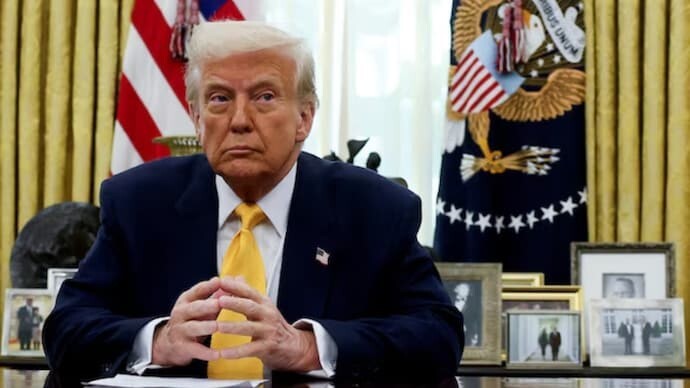
The U.S. Senate has advanced a war powers resolution aimed at curbing President Donald Trump’s ability to continue military operations against Iran. Sponsored by Democratic Sen. Tim Kaine of Virginia, the resolution passed a procedural vote 50-47, with four Republicans joining nearly all Democrats in support. This marked the eighth attempt by Democrats this year to challenge the president’s military authority following the U.S.-Israeli strikes on Iran in late February.
The resolution, which would require Trump to seek congressional approval for continued military action, faces further hurdles. Even if it passes the full Senate, it must also clear the Republican-controlled House and survive a likely presidential veto. Proponents argue the Constitution gives Congress—not the president—the sole authority to declare war, while Trump maintains the conflict is effectively over under a ceasefire announced in April.
Sen. Bill Cassidy of Louisiana cast the decisive Republican vote, joining Sens. Susan Collins, Lisa Murkowski, and Rand Paul. Cassidy, who recently lost his primary after breaking with Trump during the former president’s second impeachment, cited the lack of transparency from the White House and Pentagon on military operations as justification for his vote.
Democrats emphasized the human and economic costs of the conflict, including U.S. service member casualties and rising gas prices. Kaine called the vote a “strong message” that Americans are opposed to further escalation in the Middle East. Only one Democrat, Sen. John Fetterman of Pennsylvania, consistently sided with Republicans in opposing the measure.
While procedural, Tuesday’s vote signals growing bipartisan concern over executive war powers and sets the stage for continued congressional scrutiny of U.S. military actions in Iran. The resolution highlights an ongoing tug-of-war between the executive branch and Congress over control of war-making decisions in the wake of a conflict that began more than two months ago.















Related Items
US sanctions Turkish bank to cut Iran's financial lifelines
Trump calls Iran conflict ‘small potatoes’ for US
Trump says renewed US campaign against Iran won’t last long