 Newsinc24 Team
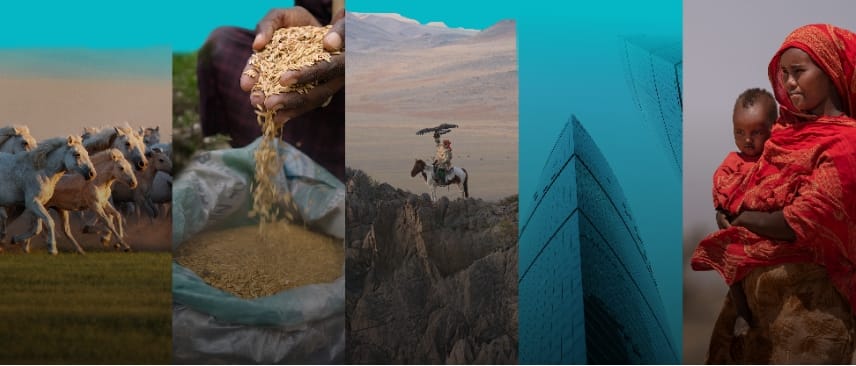
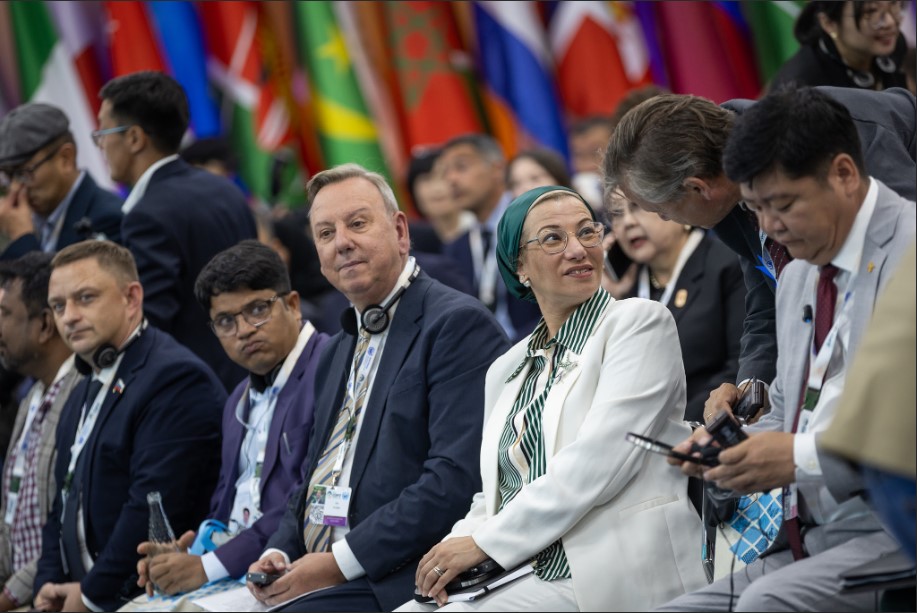
 Five months ahead of a key global summit on land and climate challenges, Mongolia and the United Nations Convention to Combat Desertification (UNCCD) have unveiled the thematic agenda for the seventeenth session of the Conference of the Parties (COP17), set to be held in Ulaanbaatar from August 17 to 28, 2026.The summit, themed “Restoring Land, Restoring Hope,” will bring together delegates from 197 Parties along with scientists, businesses, policymakers and land stewards to advance action on healthy land as a cornerstone of global resilience, stability and prosperity.
According to UNCCD, COP17 will focus on scaling up finance for land restoration and drought resilience, while also addressing the future of rangelands and pastoralist communities. As the first of the three Rio Conventions COPs scheduled this year, the summit is expected to set the tone for global environmental action in 2026 and beyond.
UNCCD Executive Secretary Yasmine Fouad said the conference would be crucial in translating global commitments into tangible outcomes. “Healthy land underpins food security, water availability, economic resilience and stability everywhere — and the time to act is now,” she said, highlighting the need for large-scale financing and proactive drought preparedness.
Echoing the call, Mongolia’s Minister of Environment and Climate Change Batbaatar Bat said the Riyadh–Ulaanbaatar Action Agenda aims to mobilize governments, businesses and communities to restore ecosystems and strengthen drought resilience. He urged stakeholders across sectors to accelerate solutions for sustainable economies and societies.To drive focused discussions, COP17 will feature four thematic days covering key priorities. Finance Day will seek to bridge the massive funding gap for land restoration, which requires an estimated $1 billion per day. Water Day will address growing drought risks, with projections indicating that three out of four people could face water scarcity by 2050.
Land and People Day will spotlight the role of Indigenous communities, pastoralists and civil society, while Food Systems and Soil Health Day will link soil restoration to food security and agricultural productivity.The summit comes at a time when land degradation affects up to 40 per cent of the world’s land, posing serious risks to food production, water resources and economic stability. Experts warn that restoring land is essential not only for environmental sustainability but also for reducing displacement and strengthening human and national security.Hosting COP17 is particularly significant for Mongolia, where nearly 77 per cent of land is already degraded. The country has launched initiatives such as the “Billion Trees” campaign and youth engagement programmes to promote sustainable land management and restoration.Taking place during the United Nations’ International Year of Rangelands and Pastoralists 2026, the summit is expected to spotlight the importance of rangelands, which support around 500 million people globally yet remain among the most overlooked ecosystems.As global leaders prepare to convene in Ulaanbaatar, COP17 is being positioned as a pivotal moment to move from commitments to concrete action, with healthy land at the heart of resilience, stability and long-term prosperity.













Related Items
BRICS Nations adopt Joint Education Declaration with focus on AI, skills
BRICS Nations adopt Joint Declaration for industrial cooperation
Jaishankar meets UN Envoys from 17 Nations