.jpg)
 Newsinc24 Team
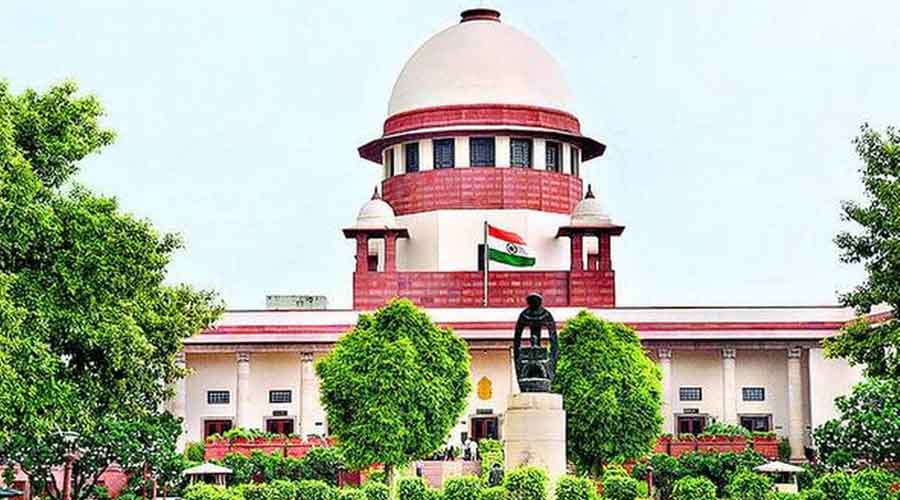
 The Supreme Court on Thursday criticised political parties for distributing and promoting the “freebie culture", saying that it hampers economic development and observed that it is high time to revisit such policies.Observing that many states are already running revenue deficits, the bench questioned how governments could afford large subsidy commitments without prior fiscal planning. It warned that unchecked largesse could hamper the nation’s economic development.
"Most of the states in the country are revenue deficit states and yet they are offering such freebies" while ignoring development, a bench of Chief Justice Surya Kant and Justices Joymalya Bagchi and Vipul M Pancholi said. "If governments continue to provide free money, electricity, and other amenities, who will ultimately bear the cost?" the court said and stated that the burden of freebies will ultimately fall on taxpayers. The bench made the remarks while hearing a writ petition filed by Tamil Nadu Power Distribution Company Ltd challenging Rule 23 of the Electricity Amendment Rules, 2024. The court specifically asked the Government of Tamil Nadu to explain why a free-electricity scheme was announced at the last minute, leaving power distribution companies (DISCOMs) scrambling to adjust tariffs and budget calculations.
CJI Surya Kant stated that "distributing freebies in this manner will hinder the country's economic development. It is the state's duty to provide facilities to those who cannot afford education or basic living. But those who are enjoying themselves are pocketing the freebies first.Isn't this something the government should pay attention to? We know of a state where electricity is free, but even if you are a big landlord, you turn on the lights. If you need any facility, you have to pay for it. This is tax money." We're not just talking about Tamil Nadu.”



Related Items
India, Brazil set bilateral trade target of over $20 billion in 5 years
India faces lower tariff rate of 10% after proclamation on new levies
India trade deal intact,Trump signs 10% global tariff after SC ruling