 Dr Mysi Patil
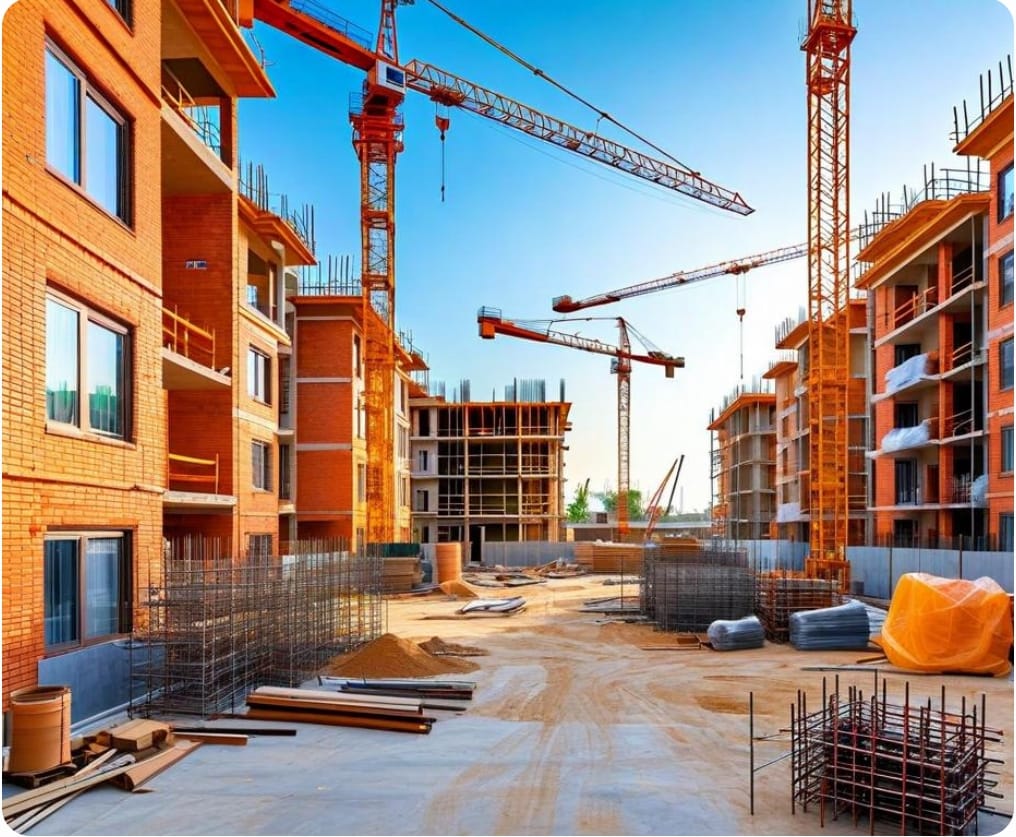
South India’s real estate market has crossed a major milestone, with residential sales value touching Rs 20,000 crore, signalling a decisive recovery from the pandemic-induced slowdown, M R Jaishankar, Chairman and Managing Director of Brigade Group, said on Friday.
Delivering the keynote address at the inauguration of CREDAI SouthCon 2026 – the South India Knowledge Conclave, Jaishankar noted that while South India continues to trail the all-India market in absolute size, the region’s growth momentum is strengthening, driven by the rise of key Tier-2 cities. He attributed the relatively smaller scale to the presence of larger Tier-2 cities in northern and western India, such as Ahmedabad, Lucknow, Indore and Kanpur.In contrast, Coimbatore, Kochi, Thiruvananthapuram and the fast-emerging Visakhapatnam are now shaping up as the principal growth engines for South India’s real estate sector, he said.
Jaishankar also highlighted that the region’s commercial real estate market has exceeded 2025 projections, with modest space absorption across segments. This includes 2–4 million sq ft of office space, 4–8 million sq ft in retail and malls, 8–12 million sq ft of warehousing, 5,000–8,000 hotel rooms, and 10–30 MW of data centre capacity.Looking ahead to 2030, he projected a sharper expansion, with 8–12 million sq ft of office space, 15–20 million sq ft in retail and malls, 40–60 million sq ft of warehousing, 12,000–18,000 hotel rooms, and 200–300 MW of data centre capacity.
Addressing affordability concerns, CREDAI Karnataka President Bhaskar T Nagendrappa said that while post-COVID demand for apartments remains strong, affordability has weakened as the long-standing Rs 45 lakh cap no longer reflects current construction and land costs.He said CREDAI has urged the government to revise the affordable housing definition, expand unit size limits, and reduce GST on construction to 5% and stamp duty to 2–3%. Faster approvals and public-private partnership (PPP)-based land support would also help make affordable housing viable, he added.While industry leaders maintained that delivery delays have largely reduced following regulatory reforms, they acknowledged that permissions, E-khata processes and power connections continue to face bureaucratic hurdles, increasing financing costs and slowing project handovers.
(State Correspondent)



Related Posts
India-Poland strategic partnership should translate into JVs: PM Tusk
India wins gold in men’s recurve doubles archery at Asian Para Games
Some dream of disorder in India, Rahul failed product of Cong: PM Modi