 Ira Singh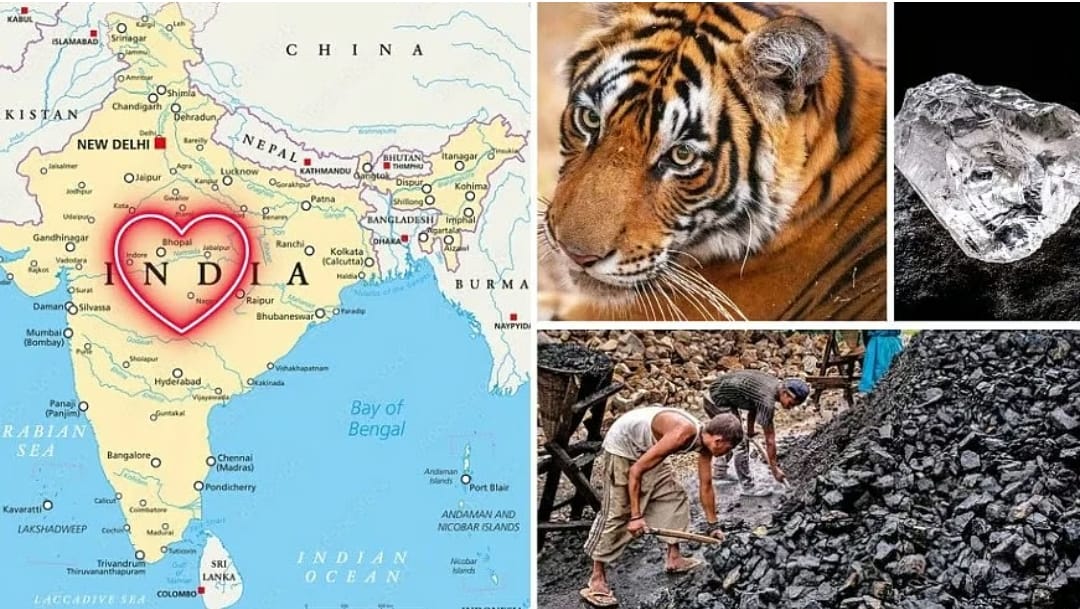
Madhya Pradesh, the heart of India, is celebrating the 70th anniversary of its formation with grandeur and pride under the theme “Abhyudaya Madhya Pradesh” (Prosperous Madhya Pradesh). The celebrations, which began on November 1 and will continue till November 3 at Lal Parade Ground in Bhopal, are a vibrant tribute to seven decades of unity, progress, and cultural richness.As the state celebrates its platinum milestone, historians revisited the fascinating story of how Bhopal emerged as the capital of Madhya Pradesh in 1956 — triumphing over the competing claims of Indore, Gwalior, and Jabalpur.
The state of Madhya Pradesh came into being on November 1, 1956, when the regions of Central India, Vindhya Pradesh, and Bhopal were merged as part of the nationwide state reorganisation. Pandit Ravishankar Shukla became the first Chief Minister of the newly formed state.How Bhopal Became the CapitalAt the time, four major cities — Bhopal, Gwalior, Indore, and Jabalpur — were in contention to become the state capital. Before 1956, Central India had two capitals: Gwalior served as the winter capital and Indore as the summer capital. Bhopal, meanwhile, was the capital of the Bhopal princely state, while Rewa served as the capital of Vindhya Pradesh.Historian Chinmay Mishra explains, “Before November 1, 1956, Madhya Pradesh was formed in 1950, a legacy of the British administrative system. Due to an agreement between Yashwant Rao Holkar II and Jiwaji Rao Scindia, Indore and Gwalior alternated as the capital every six months. However, after the merger of Vindhya Pradesh, Central India, and Bhopal, the choice of capital was reconsidered.”He added that Bhopal’s geographical advantage, being centrally located and well-connected to Delhi via railway, became a decisive factor. “It was equidistant from Gwalior and other regions, and had better residential facilities for accommodating administrative staff,” Mishra noted.
Furthermore, the mediation efforts of Sardar Vallabhbhai Patel played a crucial role. Mishra remarked, “The Nawab of Bhopal, Hamidullah Khan, had initially resisted integration with India and even collaborated with the Nizam of Hyderabad. To avoid any regional opposition and to ensure national unity, Bhopal was chosen as the capital.”
Historian Satyanarayan Sattan added that Gwalior’s strong claim was initially supported by its railway infrastructure, which Indore lacked at that time. However, Bhopal ultimately prevailed due to its central location, readiness to host administrative establishments, and political support from national leaders, including Jawaharlal Nehru and Shankar Dayal Sharma, who had close ties with the city.While Gwalior became the headquarters of the Revenue Board, Indore and Jabalpur were allotted the High Court, ensuring administrative decentralisation across the newly created state.
National Leaders Extend Greetings
Prime Minister Narendra Modi extended warm wishes to the people of Madhya Pradesh, praising the state’s role in shaping the vision of a Viksit Bharat (Developed India).“Heartfelt greetings to all my family members in Madhya Pradesh, the state that cherishes its glorious history and cultural heritage, on the occasion of the state’s Foundation Day,” he posted on X. “The talented and hardworking people of this land will play an invaluable role in the fulfillment of the resolve for a Viksit Bharat.”Union Home Minister Amit Shah and BJP National President JP Nadda also conveyed their greetings. Shah lauded the state’s journey toward prosperity and welfare, while Nadda called Madhya Pradesh “the sacred land of Baba Mahakal and Narmada Maiya,” wishing that it continues to set new milestones of development.Chief Minister Mohan Yadav, in his Foundation Day message, called for collective participation in building a Developed, Self-Reliant, and Strong Madhya Pradesh. “This 70-year journey has been a delightful voyage of dedication, resolve, and continuous development,” he said. “Let us all unite and play an active role in making Madhya Pradesh the foremost state in every field.”
Celebration Highlights: Heritage, Art, and Spirit of Progress
Minister of State for Culture and Tourism Dharmendra Bhav Singh Lodhi announced that the event reflects the state’s “heritage, progress, and public spirit,” with cultural programs being held in every district to ensure community participation.
Day 1 – November 1: Heritage to Development
The celebrations opened with a 2,000-drone light show that painted the night sky with visuals of the state’s journey “From Heritage to Development.”
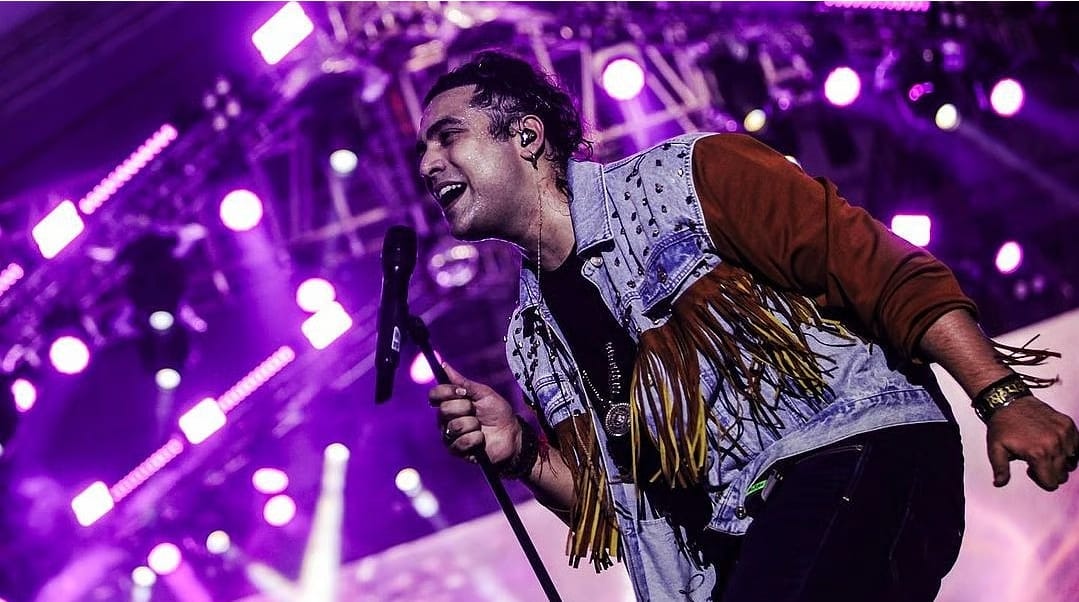
The evening featured “Vishwavand – The Musical Journey of Lord Krishna”, a majestic performance by over 500 artists blending Indian classical ragas, folk rhythms, and world music. The performance was followed by a soul-stirring concert by Jubin Nautiyal, who captivated audiences with renditions like “Tumhi Aana,” “Shiv Kailashon Ke Vaasi,” and “Shri Krishna Govind Hare Murari.”
 Day 2 – November 2: Drama and Devotion
Ujjain’s Vishala Cultural Committee staged the epic play “Samrat Vikramaditya,” showcasing the legendary ruler’s valor and wisdom, followed by a devotional concert by Hansraj Raghuvanshi, whose spiritual melodies filled the night with devotion and energy.
Day 3 – November 3: Encore and Musical Finale
The celebrations will conclude with an encore of “Samrat Vikramaditya” and a grand musical performance by playback singer Sneha Shankar, marking the festive finale.
Fairs, Exhibitions, and Cultural Showcase
Complementing the main events are exhibitions and fairs, including:
•“One District – One Product” craft fair
•“Swad” indigenous cuisine fair
•Exhibitions on Developed Madhya Pradesh 2047, Temples of Devlok, and Development through Heritage
•Folk and tribal dance performances such as Karma, Bhagoria, Badhai, and Gangaur, held from 3 p.m. onwards on November 2 and 3.
As Madhya Pradesh marks 70 years of its foundation, the celebrations not only honor its historical journey and cultural spirit but also reaffirm its vision of a prosperous and progressive future ,one that continues to beat proudly in the heart of India.
(Asstt.Editor)
Related Posts
Industry participation crucial for PM-SETU scheme:MB Patil
CM Patel woos Canadian Gujarati entrepreneurs for investment
Gujarat seeks global tech, manufacturing ties,during CM Patel's US Visit