 Newsinc24 Team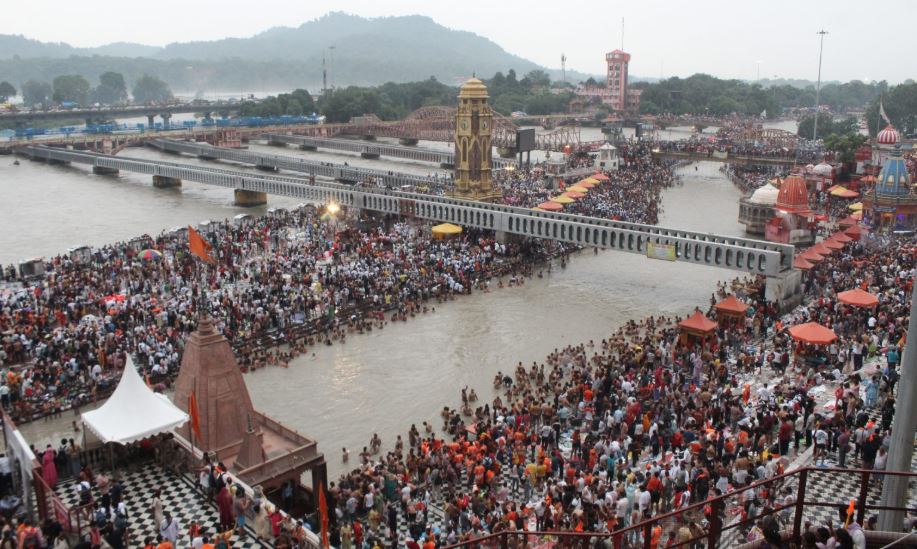
The Ganga has long been central to India’s civilisation, culture and livelihoods. Recognising that its revival requires more than cleaning the river, the Namami Gange Programme (NGP), launched in 2014, combines pollution control, conservation, ecological restoration, scientific monitoring and public participation.
At the heart of this people-centric approach is Jan Ganga, inspired by the vision of Jan Bhagidari, which seeks to turn river conservation into a shared community responsibility.Initiatives such as Ganga Swachhta Pakhwada, observed from March 16-31 across the Ganga basin, bring together students, volunteers and communities for cleanliness activities. Regular cleanliness drives along the Yamuna in Delhi further encourage sustained civic participation.
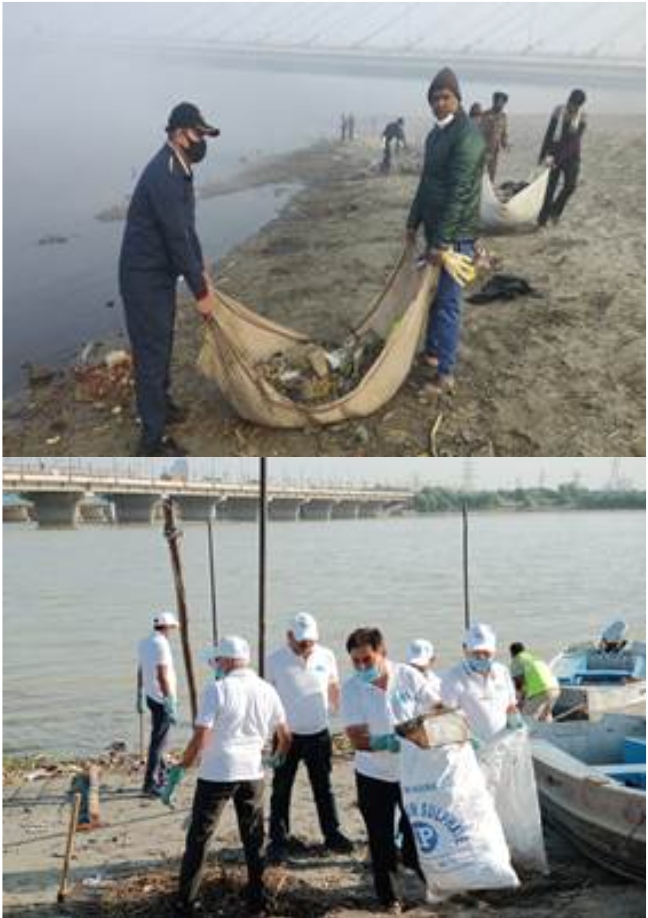
Plantation campaigns, including ‘Ek Ped Maa Ke Naam’, promote environmental stewardship, while World Environment Day activities strengthen community involvement. Youth participation is encouraged through schools, colleges, University Ganga Clubs, eco-clubs and NCC units through activities such as debates, paintings, field visits and volunteering.
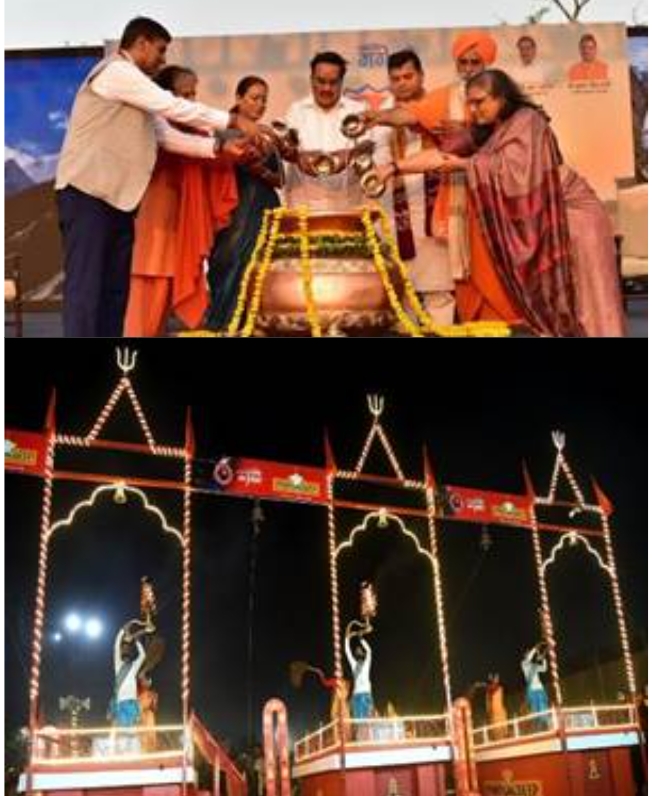
Cultural platforms such as Ganga Utsav, along with Swachhta Hi Seva and the International Day of Yoga, provide additional avenues to strengthen public engagement with rivers.
The BSF’s all-women Ganga rafting expedition also highlighted environmental commitment while connecting with communities along the river.
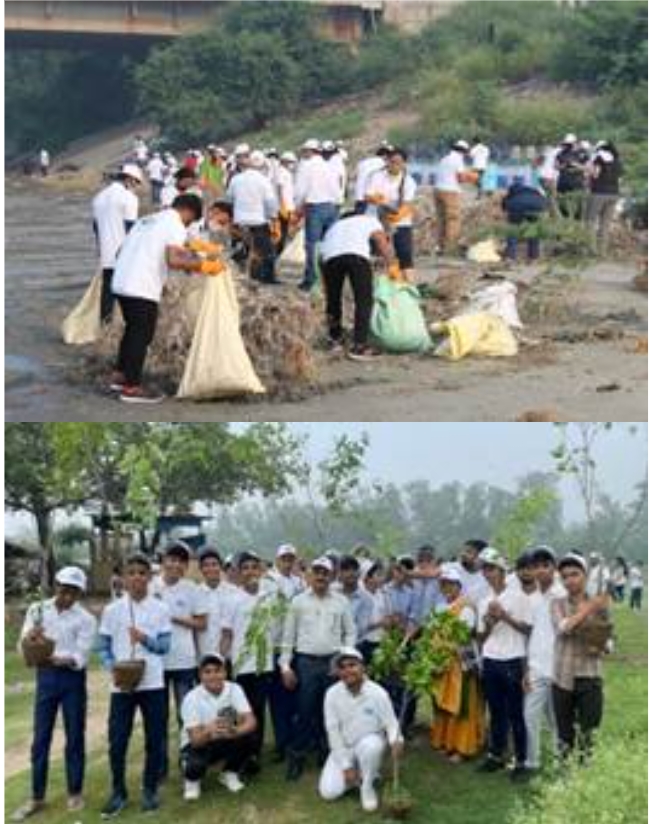
At the grassroots, Ganga Praharis and Ganga Seva Doots work as community volunteers, promoting awareness, biodiversity protection and responsible practices.The journey of Namami Gange shows that restoring a river cannot depend on infrastructure and technology alone. Sewage treatment, scientific monitoring and ecological restoration are important, but lasting improvement also requires communities to actively participate in protecting their rivers.This is where Jan Ganga assumes significance. By placing people and communities at the centre of conservation efforts, the initiative seeks to move the conversation beyond awareness towards regular participation and a deeper sense of responsibility and ownership.Ultimately, the aim is to build a culture of river stewardship, where protecting the Ganga becomes a shared responsibility and collective action helps secure the river and its surrounding ecosystems for future generations.










Related Items
Chitrakoot on high alert as Mandakini river swells
Was Glacier triggered deadly Nepal floods?
Bihar: Rising Ganga triggers erosion in Danapur