 Ira Singh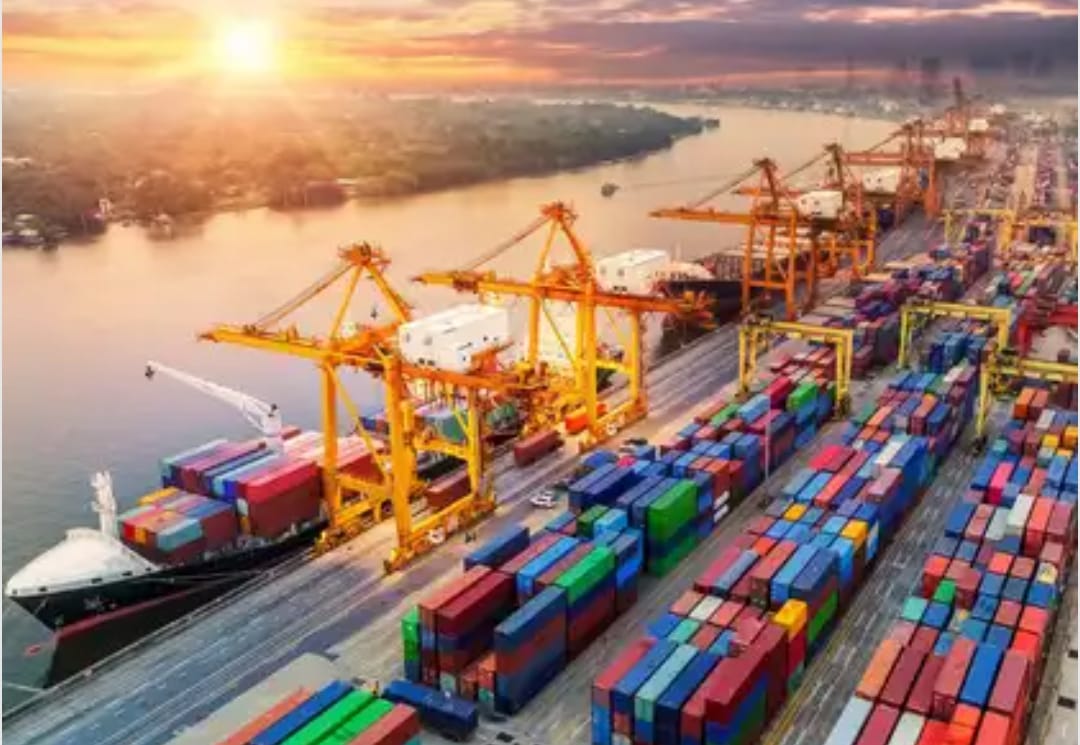
India’s merchandise trade deficit widened to an all-time high of $41.68 billion in October, driven by a sharp jump in gold imports and a continued decline in shipments to the United States, government data released on Monday showed. The gap expanded significantly from $32.15 billion in September, which had marked a 13-month high, and from $35.62 billion in August 2024, according to data from the Reserve Bank of India.A Reuters poll had estimated the deficit at $28.8 billion, underscoring the severity of the trade imbalance as global demand weakens and domestic import pressures intensify.
According to information,India’s overall merchandise exports fell 11.8% year-on-year to $34.38 billion in October, compared with $36.38 billion in September. Imports, meanwhile, rose 16.63% to $76.06 billion, driven primarily by a surge in precious metal inflows.Meanwhile,gold imports jumped to $14.72 billion, up sharply from $4.92 billion in the same month last year and significantly higher than $9.6 billion in September. The Commerce Secretary said the spike reflected strong festive-season demand and favourable price conditions in global markets.
India’s trade performance with the United States—its largest export destination—continued to weaken. Exports to the US declined to $6.31 billion in October, down from $6.91 billion a year earlier, as recently imposed US tariffs disrupted shipments of key labour-intensive goods such as textiles, shrimp, leather products, and gems and jewellery.
Imports from the US, however, increased to $4.47 billion, up from $3.98 billion in September.The decline in exports follows the Trump administration’s decision to impose steep tariffs of up to 50% on Indian shipments at the end of August, citing India’s purchases of Russian oil. October marks the second full month under the new tariff regime.
In response to industry concerns, the Indian government has rolled out more than $5 billion in relief measures aimed at easing liquidity constraints and supporting sectors disproportionately hit by the tariffs.The support package is expected to “strengthen liquidity, ensure smooth business operations, and reinforce India’s progress towards achieving the $1 trillion export target,” the government said.Labour-intensive sectors—including textiles, footwear, leather goods, and gems and jewellery—have reported significant margin pressures as the tariff shock makes Indian products less competitive against exporters from Vietnam, Bangladesh, and other Asian markets.Economists raised concerns that the record deficit highlights deepening external vulnerabilities at a time when global demand remains uncertain. While festive-driven imports may moderate in the coming months, the trajectory of India-US trade talks and the duration of the tariff regime will be crucial in determining the near-term export recovery.
(Business Correspondent)
Related Posts
UPI transactions surge 23% to 24.07 billion in September: NPCI
Net FDI hits $7.35 billion in July, highest since May 2021
India's FDI inflows rise 6% to $19.81 billion in April-June