 Ira Singh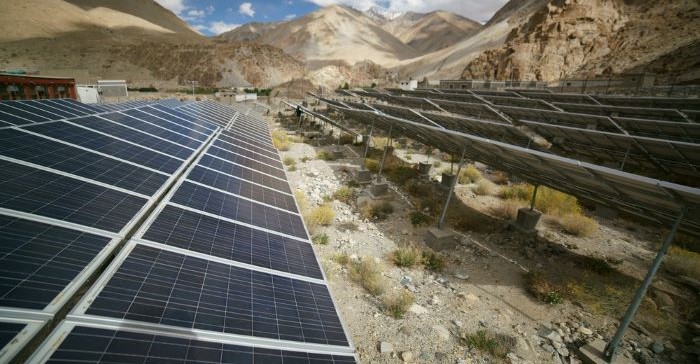
India, one of the world's fastest-growing economies and the second-most populous country, is embarking on a transformative journey towards decarbonization. With a commitment to sustainable growth, India is determined to tackle the pressing challenges of climate change while ensuring economic prosperity for its citizens. Charting a clear pathway for a low-carbon future has become a national priority, with ambitious targets and innovative strategies being implemented across various sectors.
According to recent reports,Albanese government is partnering with $442b Canadian investment company to buy Aussie farms, then transform them using sustainable agriculture techniques and show the livestock and cropping industries can remain profitable in a decarbonised economy. Minister for Agriculture, Fisheries and Forestry Murray Watt said Australia and India had agreed on two-way agricultural trade that will provide new market access for Australian ‘Hass’ avocados to India and access for Indian okra to Australia.“India’s large population and diversifying economy is creating new demand for premium and healthy produce which Australia is well placed to deliver on, Minister Watt said.
“Australia and India share a strong agricultural trading relationship focused on collaborative effort and cooperation which was evident by the development and agreement of trade approaches for our respective priority market access requests.”,Minister Watt said.In 2021, India was Australia's sixth largest two-way goods and services trading partner at $34.3 billion, according to media reports.
As per recent reports,In the accelerated scenario, growth and decarbonisation combined may require 45 million more hectares of land than is available, of which nearly ten million hectares would be needed for renewable power and eight million for carbon sinks and forests. Innovative land optimization techniques such as maximizing barren land use for renewable power, vertical urbanization, and improved agricultural productivity would be needed to ensure sufficient land for decarbonisation.
According to reports,India may need an estimated $7.2 trillion of green investments until 2050 to decarbonise in the LoS (line-of-sight)scenario and an additional $4.9 trillion in the accelerated scenario besides consistent public and private investment. Against this backdrop, experts propose to empower a nodal authority to define a national land-use plan,lay clear land-use guidelines for optimized use across urbanization, industrial needs, carbon sinks, agriculture, and renewables to accelerate India's decarbonisation.
Looking beyond the short term and laying the foundation for this transformation within this next decade is the imperative for a decarbonised India and world.By charting a pathway for sustainable growth, India aims to set an example for other emerging economies grappling with similar challenges. India's efforts in decarbonization serve as a testament to the transformative power of sustainable practices, illustrating that a greener future is within reach for all nations willing to take bold action.
Follow up
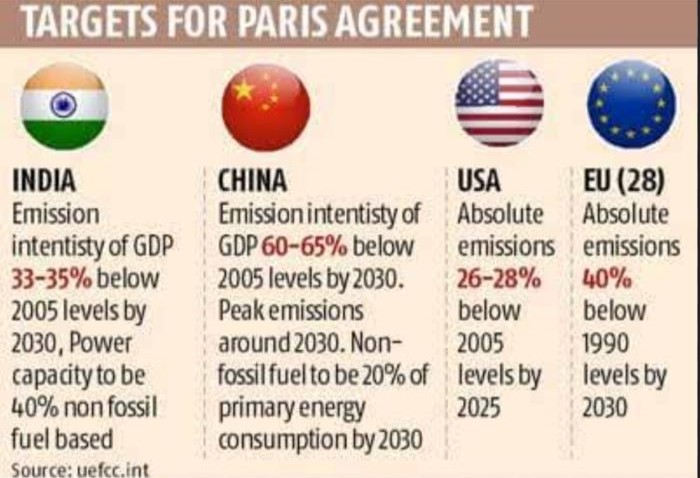
Recognizing the urgent need to reduce greenhouse gas emissions and mitigate the impacts of climate change, India has set ambitious goals under the Paris Agreement. The country aims to reduce its emissions intensity by 33-35% from 2005 levels by 2030. Additionally, India has committed to generating 40% of its electricity from non-fossil fuel sources and creating an additional carbon sink of 2.5-3 billion tonnes of CO2 equivalent through afforestation by 2030.
To achieve these targets, India has embarked on an impressive renewable energy revolution. The country is rapidly scaling up its renewable energy capacity, particularly in solar and wind power. India's solar energy sector has experienced remarkable growth, with large-scale solar installations and innovative programs like solar parks and rooftop solar initiatives. The government has implemented supportive policies, such as feed-in tariffs, tax incentives, and streamlined approval processes, to attract investments and promote renewable energy adoption.
(Ira Singh is the Asstt Editor)












Related Items
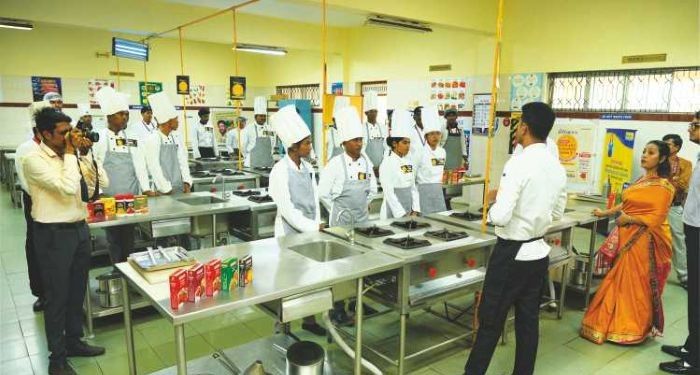
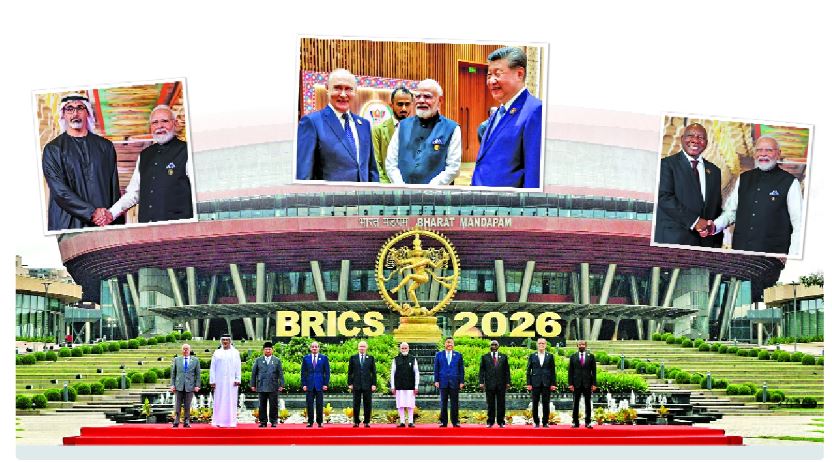
Beyond Diplomacy, India serves BRICS leaders a culinary journey
India passes BRICS Baton to China, PM Modi seeks Declaration action
India, Russia agree to advance bilateral investment treaty talks