 Ira Singh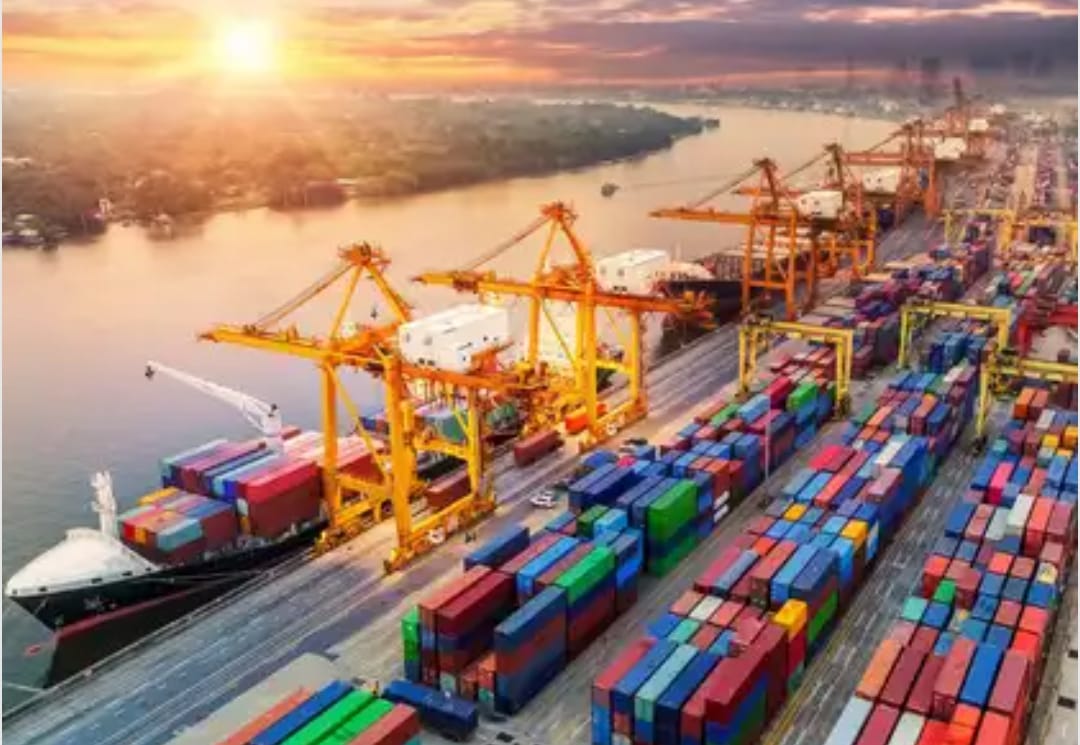
India's merchandise trade deficit widened to a six-month high of $31.98 billion in July, driven by a sharp increase in imports of gold and petroleum products, even as exports maintained strong growth, according to official data released by the Ministry of Commerce and Industry on Thursday.
The country's merchandise exports rose to $44.24 billion in July from $36.98 billion in the same month last year, registering a year-on-year growth of 19.5 per cent. The July export figure was the highest ever recorded for the month and significantly higher than June's export value of $40.41 billion.However, the faster pace of import growth continued to put pressure on the country's trade balance. Merchandise imports surged to $76.22 billion in July from $64.86 billion in July 2025, reflecting a growth of 17.51 per cent. Imports in June stood at $70.84 billion, according to reports.As a result, India's trade deficit widened from $30.43 billion in June to $31.98 billion in July. In July last year, the trade gap was recorded at $27.88 billion.
Commerce Secretary Rajesh Agarwal reportedly noted the increase in exports was largely supported by higher shipments of petroleum products, electronics, engineering goods and marine products.India's total exports, including both merchandise and services, were estimated at $80.14 billion in July, registering an annual growth of 13.31 per cent. Total imports, including services, rose by 15.83 per cent to $95.16 billion during the month.The widening trade gap reflects a trend seen in recent months, with imports growing at a faster pace than exports. During the April-July period of the current financial year, merchandise imports increased by 19.27 per cent, while exports rose by 17.04 per cent.
In the first four months of the current fiscal, merchandise imports climbed to $292.38 billion compared with $245.14 billion in the corresponding period last year. Merchandise exports during the same period stood at $173.78 billion, up from $148.48 billion in April-July 2025.
Consequently, India's cumulative trade deficit widened to $118.60 billion during April-July, compared with $96.66 billion in the corresponding period of the previous financial year.
The Federation of Indian Export Organisations (FIEO) said the rising import bill and widening trade deficit warrant close attention.FIEO President S C Ralhan stated that while imports of energy, capital goods and intermediate goods indicate higher domestic economic activity, India must simultaneously strengthen domestic manufacturing in sectors with high import dependence."We need to strengthen domestic manufacturing capabilities in critical inputs, electronics, machinery and other areas of high import dependence," Ralhan said.He added that export growth and strategic import substitution should work together to strengthen the country's external sector.
Petroleum products, gold and electronic goods continued to remain the key drivers of imports during the current financial year. Gold imports rose to $15.17 billion during April-July from $11.46 billion in the same period last year. Petroleum imports jumped to $78.92 billion, while electronic goods imports stood at $52.82 billion.Economists said that despite the elevated merchandise trade deficit, India's services exports and steady remittance inflows are expected to provide support to the country's external account.
"While goods trade deficit is expected to remain elevated, we expect the services surplus and remittances to keep a check on the current account deficit," said Upasna Bhardwaj, Chief Economist at Kotak Mahindra Bank.Looking ahead, exporters said sustaining the current momentum would require continued policy support amid growing global uncertainties, including geopolitical tensions, shipping disruptions, freight volatility and evolving trade policies.
(Business Correspondent)

Related Posts
Apple Pay launches in India with Axis Bank card support
India, Qatar agree to accelerate FTA, bilateral investment treaty talks
India Women's compound Archery team wins Gold with world record