 Newsinc24 Team
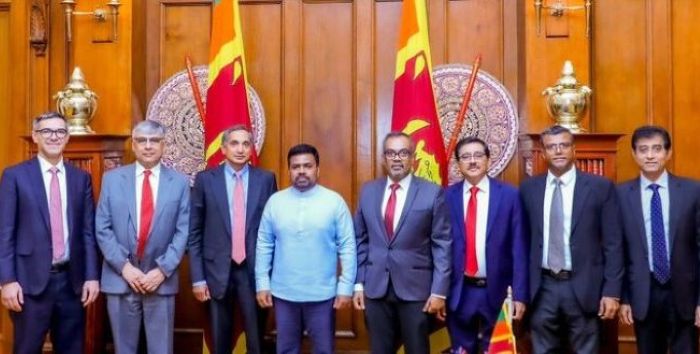
Sri Lanka’s economy has “stabilised decisively” under its IMF-supported programme, with growth rebounding, tax revenues doubling and inflation falling sharply, a senior IMF official said in Colombo, highlighting the combined impact of reforms and international support led by India. IMF Asia-Pacific Director Dr. Krishna Srinivasan said Sri Lanka has emerged from crisis across three fronts-growth, revenue and inflation. Economic growth has averaged about 5 percent, tax revenue has risen from 7.3 percent of GDP to 14.8 percent in 2025, and inflation has dropped from nearly 70 percent to around 2-3 percent. He credited fiscal consolidation, debt restructuring, price stability and anti-corruption reforms for the turnaround, while noting that sustained progress remains essential. An IMF team that visited Sri Lanka to assess the impact of Cyclone Ditwah on the economy concluded the visit yesterday. Sri Lanka’s recovery has been reinforced by India’s USD 4.5 billion assistance package since 2022, including fuel, food, medicines and credit lines, which helped stabilise supply chains and foreign reserves during the peak of the crisis.
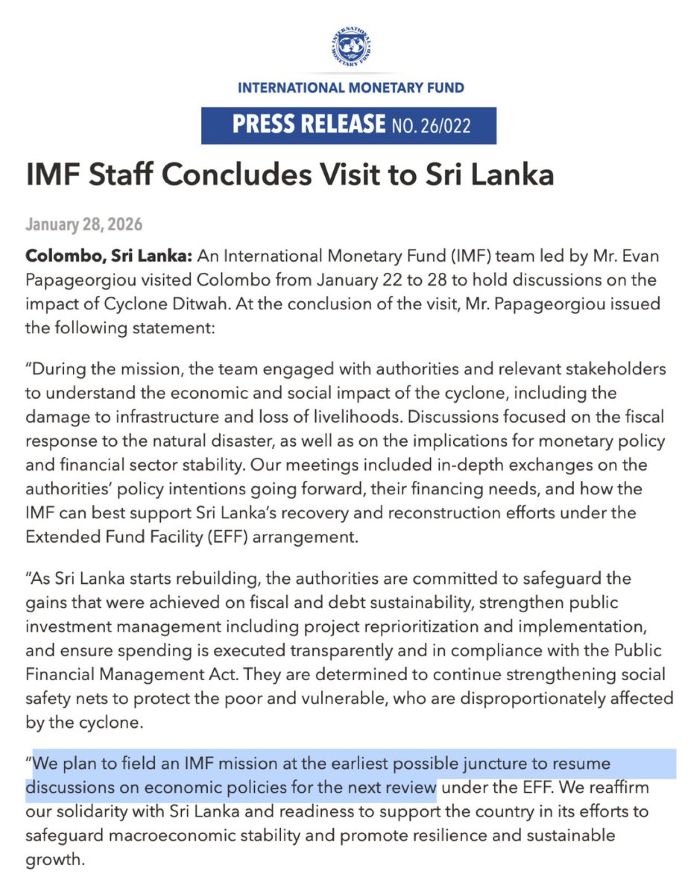
The IMF team engaged in detailed exchanges with authorities on policy priorities going forward and explored how the Fund can best support Sri Lanka under the ongoing Extended Fund Facility (EFF) arrangement. The IMF stated that it plans to field another mission at the earliest opportunity to resume discussions on economic policies for the next EFF review, reaffirming its solidarity with Sri Lanka and readiness to support macroeconomic stability, resilience, and sustainable growth.

Related Posts
India’s housing project expands in Sri Lanka’s plantation communities
21 hrs in economy class: Mexico's president goes viral for trip to China
CII lists 15 priority reforms to finance $26.5 trillion economy in 2047