 Newsinc24 Team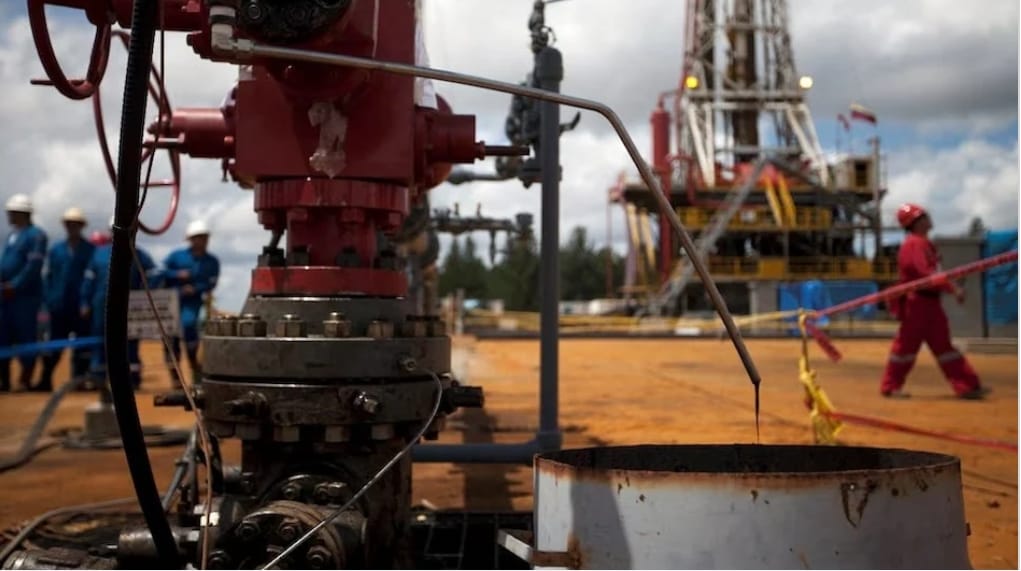
The ongoing global energy crisis triggered by disruptions in the Strait of Hormuz is more severe than the oil shocks of 1973, 1979, and 2002 combined, noted Fatih Birol, head of the International Energy Agency (IEA).Addressing the issue, Birol said the disruption is unprecedented.Birol said the scale of the current disruption is unprecedented.“The world has never experienced a disruption to energy supply of such magnitude,” he said.
IEA chief: current oil and gas crisis worse than 1973, 1979, 2002 together https://t.co/jKGS4peyb1
— Reuters Energy and Commodities (@ReutersCommods) April 7, 2026
The crisis has been exacerbated by Iran’s near-total blockade of traffic through the Strait of Hormuz, a critical global energy corridor through which nearly 20% of the world’s oil and gas supplies pass. The move follows escalating tensions and strikes involving Israel and the United States, sending global energy prices sharply higher.Birol emphasised that while advanced economies such as those in Europe, along with countries like Japan and Australia, will face significant challenges, developing nations remain the most vulnerable.He urged that these countries could bear the brunt of the crisis through surging oil and gas prices, rising food costs, and a broader acceleration in inflation, potentially destabilising already fragile economies.
In response to the crisis, IEA member nations have agreed to release portions of their strategic petroleum reserves to ease supply constraints. According to Birol, part of these reserves has already been deployed, with further releases ongoing.The situation marks one of the most severe disruptions to global energy markets in recent history, raising concerns over prolonged supply shortages and heightened volatility across commodities and financial markets.














Related Items
Russia backs India's call for peace in Ukraine:Peskov
India expands UNESCO heritage footprint with four new sites
Amit Shah outlines three-year roadmap to make India drug-free by 2029