 Krishan Gopal Sharma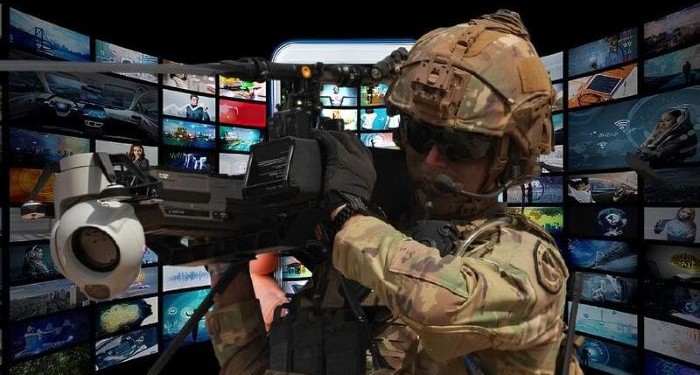
The shifting sands of the Gulf have long been a theatre for geopolitical tension, but the contemporary landscape of confrontation has birthed a new, more insidious frontier. While traditional warfare is measured in ballistic trajectories and territorial gains, the modern "Invisible Battlefield" is fought across high-speed fibre optics and silicon chips. In this digital theatre, artificial intelligence (AI) has been weaponised to transform information into a potent instrument of psychological attrition.
As the ongoing Gulf conflict unfolds, the line between objective reality and manufactured perception has grown perilously thin. Deepfake videos, doctored imagery, and algorithmically turbocharged content have flooded the digital ecosystem, creating a parallel reality where a single fabricated clip can carry the weight of a physical air strike. This is no longer merely a matter of "fake news"; it is the dawn of a simulated era of warfare where the objective is not just to defeat an enemy, but to dissolve the very concept of truth.
The Mechanism of Modern Sensationalism
The primary engine of this digital destabilisation is the amplification of sensationalism. Throughout the recent escalations, social media platforms have been inundated with dramatic footage purportedly depicting missile strikes, catastrophic explosions, and the harrowing destruction of both military and civilian targets. To the untrained eye, these clips—rendered with frightening precision—are indistinguishable from verified combat footage.
However, forensic analysis reveals a more complex deception. Many of these visuals are either entirely AI-generated or "zombie content"—authentic footage from unrelated conflicts, repurposed and re-labelled to simulate events in the Gulf that never actually occurred. The danger lies in the architecture of the digital world itself: social media algorithms are programmed to reward engagement. Because sensational, fear-inducing content triggers the highest rates of sharing, these AI-enhanced fabrications spread with a velocity that verified reporting simply cannot match. In this environment, the lie is halfway around the world before the truth has even finished its morning briefing.
The Architecture of Exaggeration
Beyond visual trickery, the conflict has seen the rise of sophisticated narrative-driven misinformation. During periods of heightened tension, online accounts—often operating as part of coordinated networks—have claimed that entire urban centres in Iran or Saudi Arabia were reduced to rubble. These reports frequently cloak themselves in the veneer of authority, citing “unnamed experts” or anonymous sources to lend a false sense of credibility.
While official statements may confirm limited damage to strategic infrastructure, the digital echo chamber inflates these incidents into apocalyptic scenarios. This deliberate distortion serves a dual purpose: it demoralises the domestic population of the targeted nation and manipulates the international community’s perception of the scale of the crisis. By making ordinary tactical exchanges appear as world-ending events, actors on this invisible battlefield can force diplomatic hands and incite public panic with zero physical risk to their own forces.
The Fog of Digital War: Attribution and Blame
One of the most dangerous applications of AI in the Gulf context is the manipulation of attribution. In a region where a single misattributed strike could trigger a regional war, AI-assisted media is being used to muddy the waters of responsibility. Drone strikes and explosions are frequently portrayed through competing digital lenses—framed as Iranian aggression against Western interests by one side, or as covert Israeli operations by the other.
To make these claims persuasive, bad actors utilise AI to generate simulated maps, hyper-realistic video edits, and simulated explosions. The result is a pervasive sense of uncertainty. When the public—and even policymakers—cannot reach a consensus on who pulled the trigger, conspiracy theories flourish and international tensions are needlessly inflamed. This "attribution fog" provides a cloak for actual aggressors while casting suspicion on the innocent, fundamentally undermining the rules-based international order.
The Psychological Toll: Desensitisation and Anxiety
The impact of this AI-driven media blitz is not merely political; it is profoundly psychological. Constant exposure to hyper-realistic, AI-assisted war content is contributing to a phenomenon of "compassion fatigue" or psychological desensitisation. When real-world tragedies are packaged with the cinematic polish of a Hollywood blockbuster, the human capacity for empathy begins to dull. Real suffering is transformed into a digital spectacle, consumed between mindless scrolls.
Conversely, for those living within or near the conflict zones, the effect is one of emotional amplification. Posts that emphasise imminent large-scale evacuations or civilian panic—often based on minor or entirely misreported events—magnify fear and anxiety to a pathological degree. This "digital terror" can be as debilitating as a physical blockade, grinding daily life to a halt through the sheer weight of anticipated catastrophe.
The Verification Crisis
Professional fact-checkers and traditional journalists are currently engaged in an asymmetric struggle. Despite repeated debunking of false narratives by official sources, these AI-generated myths possess a strange digital immortality. Amplified by recommendation algorithms on platforms like YouTube, X, and Telegram, these narratives continue to circulate and influence public opinion long after they have been proven false.
The sheer volume of content means that traditional journalistic methods—verification, cross-referencing, and editorial oversight—struggle to keep pace with the instant generation of AI assets. The information environment can appear as chaotic and threatening as the conflict itself, leaving the average citizen adrift in a sea of conflicting data.
A Call for Digital Resilience and Regulation
The proliferation of this "invisible battlefield" necessitates a two-pronged defence: tech literacy and targeted regulation.
1. Cultivating Tech Literacy
- Critical Mindset: Developing a habit of questioning content rather than reacting emotionally.
- Recognising Red Flags: Building basic awareness of how AI can manipulate visuals and narratives to look entirely convincing.
- Verification: Understanding the vital importance of cross-checking sources before sharing information.
- Protection: Using these skills to protect oneself from being fooled by fabricated or sensationalised content.
2. The Necessity of Regulation However, the burden cannot rest solely on the individual. There is an urgent need for robust regulations that address the misuse of AI media without infringing on freedom of speech. Such measures could include:
- Mandatory Content Labelling: Ensuring all AI-assisted media is clearly identified as such.
- Rapid Takedown Protocols: Establishing mechanisms for the swift removal of deliberately fabricated material.
- Sanctions: Implementing penalties for actors who produce or disseminate malicious misinformation.
Conclusion: Safeguarding the Future of Truth
The Gulf conflict serves as a final, urgent warning: modern warfare has moved beyond the range of missiles and entered the realm of the mind. AI-assisted media has become the "New Dog of War," an invisible force capable of amplifying misinformation, dulling human empathy, and shaping perceptions with destabilising effects.
While we must remain steadfast in our protection of freedom of expression, we cannot afford to be blind to the "real and present threat" posed by the misuse of synthetic media. To safeguard truth, human sensitivity, and the integrity of public discourse, we must embrace a future where technology serves to inform rather than inflame. The invisible battlefield is here; it is time we equipped ourselves—not with weapons, but with the critical awareness and regulatory safeguards necessary to defend the reality we all share.
(Freelance journalist Retired from Indian Information Services. Former senior editor with DD News, AIR News, and PIB. Consultant with UNICEF Nigeria. Contributor to various publications.)












Related Items
TN:Vijay-led TVK coalition named Secular Social Justice Victory Alliance
Zuckerberg apologises for child abuse, deepfake content: Sources
Pakistan bans foreign media after criticism over PoK crackdown