 Newsinc24 Team
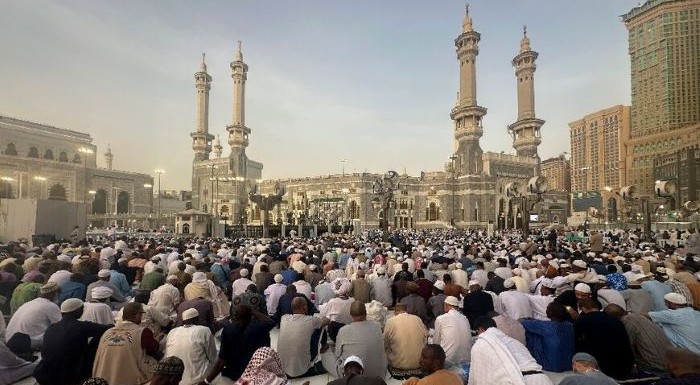
The annual Hajj pilgrimage officially commenced on Wednesday with over 1.4 million international pilgrims joining hundreds of thousands of domestic participants in Mecca, as Saudi authorities unveiled the most extensive safety preparations in the pilgrimage’s modern history to combat potentially deadly extreme heat. On day one, pilgrims will perform the tawaf – walking seven times around the Kaaba, which Muslims worldwide pray toward. They then head to Mina, the site of a giant tented city, before the hajj's high-point: prayers on Mount Arafat, where the Prophet Mohammed is believed to have delivered his final sermon.
The Indian Ambassador to Saudi Arabia issued a statement congratulating the thousands of Indian pilgrims participating this year, emphasising that consular teams are coordinating closely with Saudi authorities and have established administrative and medical teams in all Mina camps. Indian pilgrims can access support through the “Haj Suvidha” mobile application and dedicated toll-free numbers. Union Minority Welfare Minister Kiren Rijiju have extended his heartfelt wishes to all Indian pilgrims performing Haj this year.
The movement to Mina starts tonight from Makkah, marking the start of the Five-Day Core Haj Period.
— Kiren Rijiju (@KirenRijiju) June 3, 2025
My heartfelt wishes to all Indian pilgrims performing Haj this year.
Our Haj Mission, led by officials & teams, is fully prepared in coordination with Saudi authorities. Admin &… pic.twitter.com/QT30VTB8E4
Learning from last year’s tragic consequences, when extreme temperatures contributed to over 1,300 deaths, Saudi authorities have deployed unprecedented resources for pilgrim safety. More than 400 high-powered cooling units have been installed at key ritual sites, while over 100,000 square meters of new shade structures have been erected in Mina and Arafat. Approximately 103,000 square meters of heat-reducing rubber flooring now cover pathways, designed to lower surface temperatures by 12 degrees Celsius.
The kingdom has mobilised its largest-ever medical contingent, with the Ministry of Health announcing the deployment of 50,000 medical and administrative personnel. Over 700 hospital beds have been designated specifically for treating heat-related illnesses, supported by three field hospitals and 71 emergency response points. Healthcare capacity has increased by 60 per cent compared to last year, with more than 98,000 medical services already delivered.



Related Posts
India wins 22 golds as BIMSTEC U-23 athletics meet concludes
India-US trade deal likely to be finalised soon: Piyush Goyal
AI likely to generate $700 Billion for India's MSMEs: RBI Governor