 Ira Singh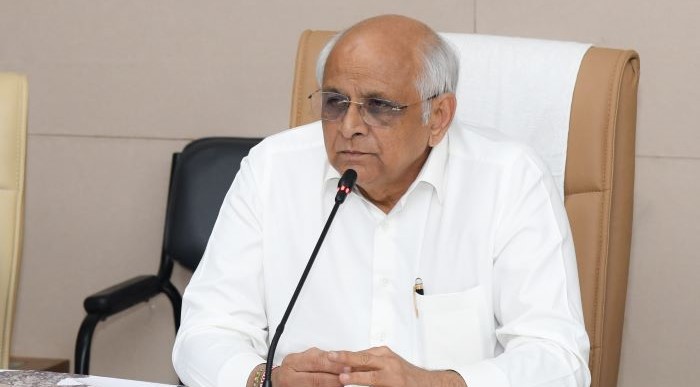
Gujarat has initiated preparations for Phase I of the nationwide Census 2027, with senior officials underscoring accuracy, transparency, and extensive use of digital tools to streamline the massive administrative exercise.A special meeting of Principal Census Officers from Gujarat, Dadra and Nagar Haveli, and Daman and Diu was convened in Gandhinagar on Tuesday under the chairmanship of Chief Secretary M. K. Das to review the roadmap for implementation.
Addressing the gathering, Das said the 2027 Census would set a benchmark in administrative efficiency and digital governance.“India’s census is the largest and most important administrative exercise in the country. The 2027 Census is crucial, as its data will be essential for policy decisions and the holistic development of the nation. With rapid population growth in urban areas, these figures will form the foundation for upcoming developmental initiatives,” he said.Das added that the use of digital tools would significantly accelerate the process, which in previous rounds took three to four years to complete. Stressing the importance of meticulous planning, Das noted that the census was not merely a statutory obligation but the bedrock for national planning, citizen-centric programmes, and long-term development strategies.“Meticulous planning at the district and urban levels is essential. The state government is committed to conducting the census with the highest level of administrative preparedness,” he said.
Mrityunjay Kumar Narayan, Registrar General and Census Commissioner of India, highlighted the historical continuity of the exercise. “The first contemporary census in India was conducted in 1881, and it has continued every ten years up to 2011. The success of the census depends on the active leadership, support, and continuous supervision of district collectors and municipal commissioners,” he said.Additional Chief Secretary of the Revenue Department Jayanti Ravi outlined new initiatives for the upcoming census, stating that technology would play a pivotal role in ensuring real-time transparency and improved data analytics.“For the first time, digital self-enumeration will be introduced during the house listing phase, allowing citizens to participate actively and become key stakeholders in the process,” she said.Director of Census, Gujarat, Sujal Mayatra described the census as one of the world’s largest and most complex administrative undertakings, reflecting India’s institutional strength.“Decennial population data is critical for resource allocation, urban planning, welfare schemes, and targeted interventions. The 2027 Census is particularly significant as it will be conducted in a data-driven, technology-enabled governance era,” he said.
The meeting also included detailed presentations on planning, training, staff appointments, and digital self-enumeration facilities under HLO Phase I, which involves preparing comprehensive lists of houses and residential units.The Census will be conducted in two phases — the first covering house listing and housing census, and the second focusing on population enumeration. HLO operations are scheduled to commence in April-May 2026, with citizens given the option to submit their information online.Secretaries, district collectors, and municipal commissioners were among those present at the meeting, as Gujarat positions itself to play a key role in the country’s transition to a digitally enabled Census framework in 2027.
(State Correspondent)











Related Items
FIH Women's Hockey World Cup: India Draw 2-2 With China
India@80 celebrations in New Jersey culminate in Guinness Record
'Many forces don't want India to become Vishwaguru':Bhagwat on I Day