 Newsinc24 Team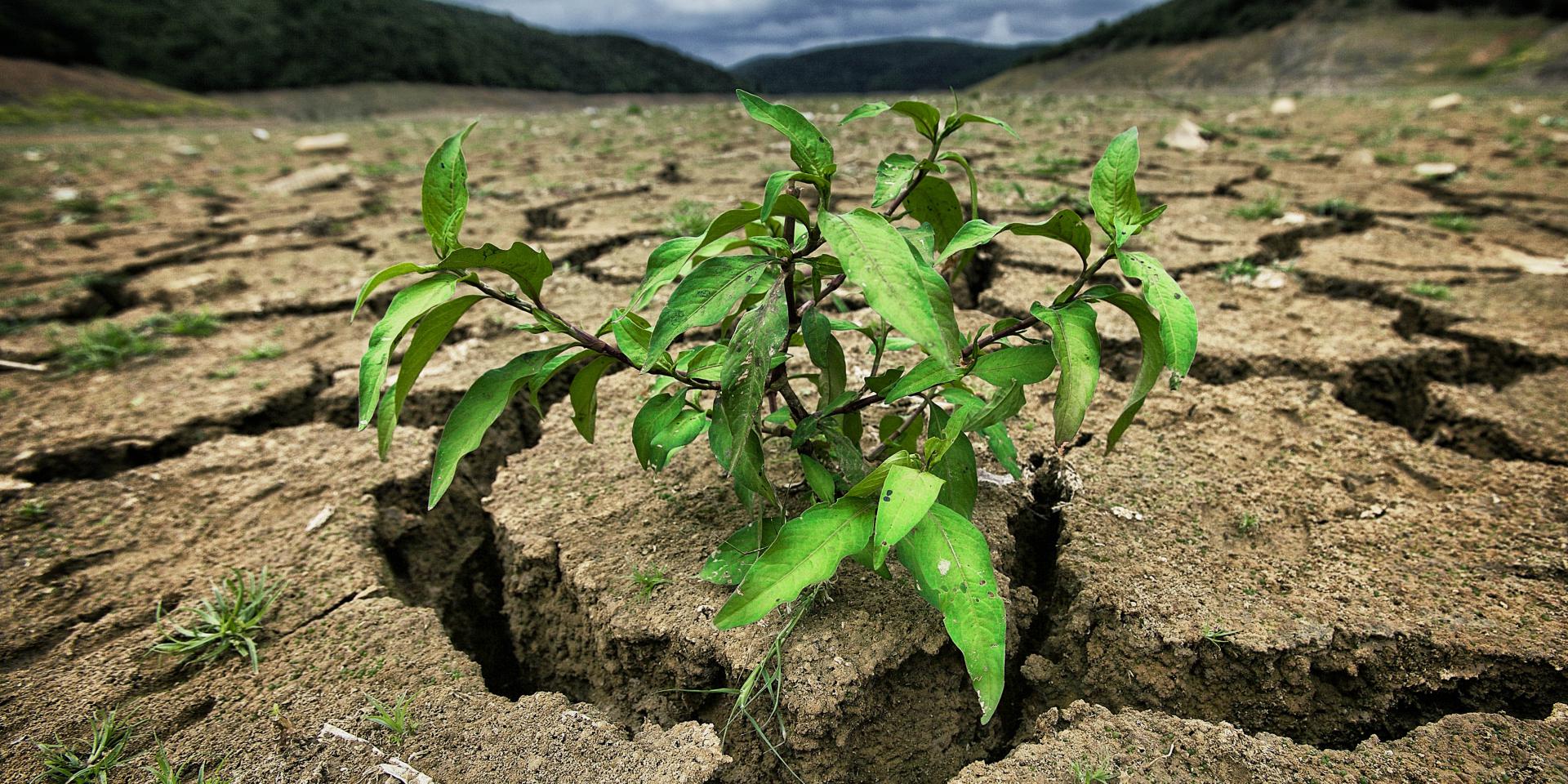
The Earth is warming fast, and even faster on the land. This trend is “virtually certain” to continue and no region of the world will be spared. According to the Working Group 1 assessment report released Monday by the authoritative Intergovernmental Panel on Climate Change (IPCC) said Globally, the last decade was on average already one degree Celsius warmer than it was between 1850 and 1900. But it was way warmer over the land, and close to the 2 degrees in some regions. The Report provides evidence of the warming and its effects on the land from the one degree of warming that occurred in the last decade.
More moisture is evaporating, and faster. The atmosphere is holding more water. Rainfall is heavier and more frequent. Droughts are intensifying. Extremely hot days are more intense, frequent, and last longer, whereas extremely cold days are less frequent and less severe. Climate zones are shifting towards the poles. “Scientists are clear that we face dire consequences, if we fail to act now. Temperatures will rise above 2 degrees Celsius by 2050 and to between 3 and 4 degrees by 2100. They are also clear under what conditions, we can still reduce emissions drastically to keep the average global temperature below 2 degrees by 2050 and reduce it to below 1.5 before the turn of the century,” says Ibrahim Thiaw, Executive Secretary of the United Nations Convention to Combat Desertification.
The IPCC Report states that oceans and land absorb half of our carbon emissions each year. But their effectiveness at slowing the accumulation of carbon dioxide in the atmosphere is declining with ever-increasing emissions. Unless our course is changed now, over time these natural carbon sinks will turn from net sinks into net sources of carbon emissions.“Land can be part of the solution. Better land planning, use and management going forward and the restoration of the one billion hectares of land governments have committed to restore by 2030 would make a big difference in our resilience to climate change. We know the benefits of restoration at large scale,” says Thiaw.

















Related Items
Europe is the planet's fastest-warming continent: WHO, roads melt
Power, Algorithms and the Sacred Earth
IITM, ARIES partner to set up climate monitoring station in Himalayas