 Newsinc24 Team
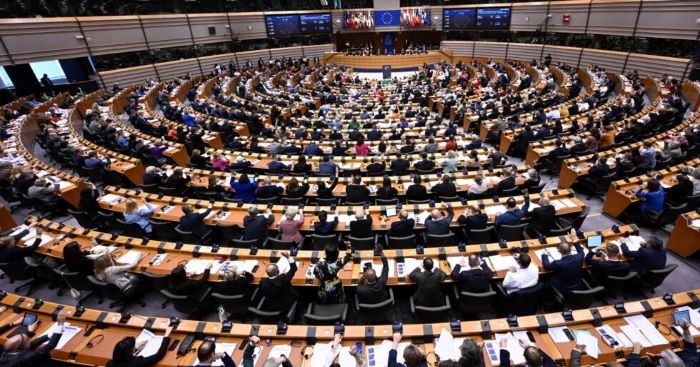
 To get asylum in Europe will not be as easy as earlier. These countries are going to harden migration policy. EU lawmakers approved changes to the European Union asylum system on Tuesday, paving the way for fast-track asylum rejections and the possible transfer of asylum seekers to countries with which they have little or no connection. The move underlines the rise in anti-immigration sentiment across the European Union over the past decade that has broadened popular support for far-right parties. The text, which requires final formal approval from the 27 EU member governments, marks a sharp hardening of EU migration policy that has taken shape since an influx of over a million refugees and migrants in 2015–16. The move drew heavy criticism from humanitarian groups, who said it could lead to human rights violations and a diminution of asylum rights under a 1951 convention that prohibits returns of asylum seekers to countries where they could be in danger.
The European Parliament approved changes to the Asylum Procedures Regulation to introduce a list of countries deemed “safe” to which failed asylum seekers could be returned. The list includes countries such as Egypt and Tunisia whose human rights records have come under scrutiny.Under the new rules, EU countries may reject an asylum application if the person could have received protection in a country the bloc considers safe.
"People seeking asylum in the EU could have their applications rejected without review, and be sent to countries to which they have no connection and where they have never even set foot,” said Olivia Sundberg Diez, the EU advocate on migration and asylum at Amnesty International. “These measures mark an abdication of the EU’s commitment to refugee protection and pave the way for EU member states to broker agreements with third countries for the offshore processing of asylum claims,” she said in a statement.
Anti-immigration rhetoric has surged throughout the EU since more than a million people, mainly from Syria, arrived via the Mediterranean in 2015. That sentiment has boosted public support for right-wing nationalist parties, pushing governments to adopt increasingly restrictive migration policies focused on returns.
















Related Items
106 ECMS projects approved, to generate around 75K direct jobs
Bangladesh uprising was planned regime change: Sheikh Hasina
US student visa rule change: Holders advised to return by Sept 15