 Newsinc24 Team
 China has warned the United States against imposing a blockade on the Strait of Hormuz and cautioned it not to interfere in China’s bilateral relations with Iran. Defence Minister Admiral Dong Jun's warning coincided with the start of the US naval blockade at 7:30 pm IST on Monday. "We have trade and energy agreements with Iran; we expect others not to interfere in our affairs," Jun said, adding that the Strait of Hormuz remains open for China. The waterway is extremely crucial for Beijing as it supplies nearly 40 per cent of its oil and at least 30 per cent of its LNG needs. Hence, China has been pushing for a ceasefire to secure the critical waterway in the Gulf.
China's Foreign Ministry has reiterated its support for a ceasefire, arguing that the waterway's "safety, stability and unimpeded passage" serves the common interests of the international community. “The root cause of disruptions to navigation through the strait lies in the conflict involving Iran, and the way to resolve this issue is to achieve a ceasefire and end hostilities as soon as possible,” SCMP quoted spokesperson Guo Jiakun as saying. He also added that China is ready to play a positive and constructive role in ending the conflict in the Middle East – a region where China is competing with the US for influence.
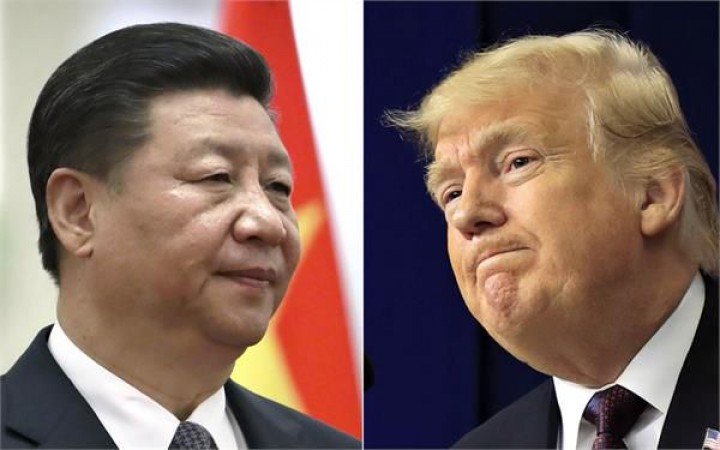
China and the US have not been on the same page over the ongoing conflict. Following the start of hostilities on February 28, Beijing condemned the Israeli-US attack on Iran. The US has warned of "complications" if Beijing gets involved with Iran in a way that is counter to US interests. Trump has also threatened Beijing with 50 per cent tariffs if it supplies weapons to Tehran. An intelligence assessment claimed that Beijing could be preparing shipments of air defence systems to Iran. However, China has dismissed such reports as "groundless smears and malicious associations."
















Related Items
Satwiksairaj-Chirag clinch maiden China Masters title
Mudslide kills 1, leaves 11 missing in China after heavy rain
US sanctions Turkish bank to cut Iran's financial lifelines