 Newsinc24 Team
 India’s push to expand digital connectivity across rural areas has gained significant momentum, with more than 2.15 lakh Gram Panchayats now connected through the BharatNet, according to an official statement released on Sunday.The large-scale initiative forms part of the government’s broader effort to strengthen digital infrastructure through optical fibre expansion, next-generation telecom services and digital public platforms aimed at bridging the urban-rural digital divide.
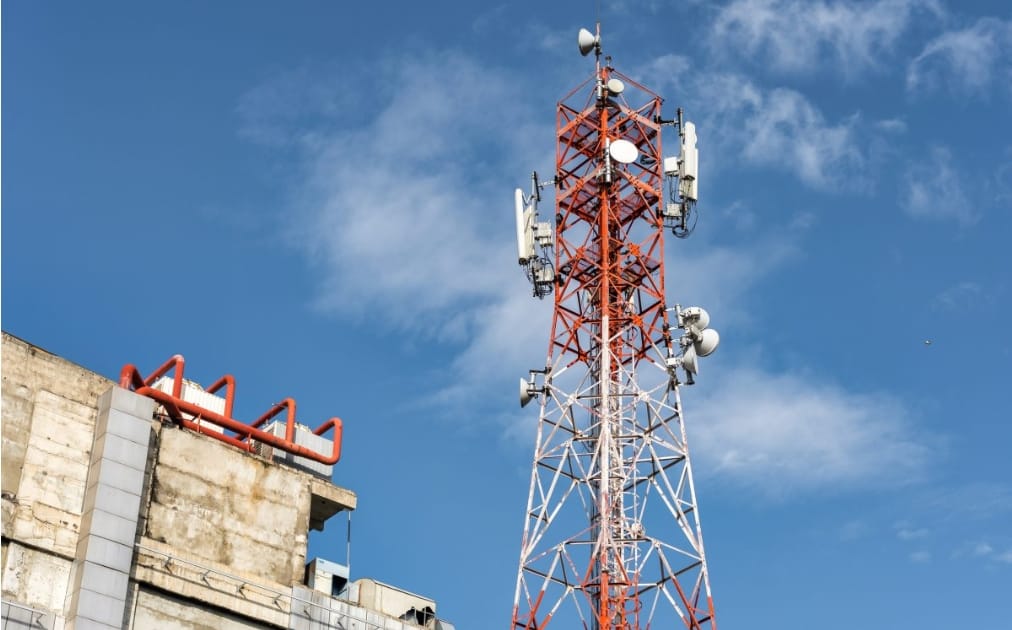
Data from the government shows that optical fibre deployment across the country increased from 19.35 lakh route kilometres in 2019 to 42.36 lakh route kilometres in 2025, reflecting the rapid expansion of broadband infrastructure.At the same time, 5G services have expanded rapidly across the country, with connectivity now covering 99.9 per cent of districts, supported by more than 5.18 lakh base transceiver stations as of December 2025.
The expansion of public internet access has also been accelerated under the Prime Minister Wi‑Fi Access Network Interface initiative. As of February 2026, 4,09,111 public Wi-Fi hotspots have been deployed nationwide. These are supported by 207 Public Data Office (PDO) aggregators and 113 app providers, aimed at providing affordable, high-speed internet connectivity, particularly in rural and remote regions.According to the statement, the integration of last-mile connectivity, digital literacy programmes and affordable internet services with platforms linking citizens to markets and government schemes is helping strengthen rural livelihoods and improve the delivery of welfare benefits.
Meanwhile, the country’s cloud and data centre ecosystem is expanding rapidly to support digital governance and emerging technologies such as artificial intelligence. India’s total data centre capacity currently stands at around 1,280 megawatts and is projected to grow four to five times by 2030.Under the MeghRaj government cloud initiative, more than 2,170 ministries and departments are now hosting applications on secure and scalable platforms designed for digital governance.
The government also highlighted a sharp fall in mobile data costs over the past decade. The price of data has dropped from ₹269 per GB in 2014 to around ₹8–10 per GB in 2025–26, making India among the most affordable data markets globally. Broadband subscriptions have also surged, crossing 100 crore in November 2025, compared with 13.15 crore a decade earlier.In the field of advanced computing, the National Supercomputing Mission has deployed 38 supercomputers with a combined capacity of 44 petaflops across institutions nationwide. The programme aims to extend high-performance computing capabilities beyond major metropolitan centres, enabling universities, startups, researchers and industry to access advanced infrastructure for applications such as artificial intelligence, climate modelling, biotechnology and advanced manufacturing.The government added that Digital Public Infrastructure platforms, including Aadhaar, Unified Payments Interface, and DigiLocker, are playing a key role in translating internet access into tangible social and economic outcomes by enabling seamless service delivery, financial inclusion and secure digital transactions across the country.











Related Items
Hungary: Orban concedes defeat, winner Magyar says country liberated
Indian railways approves Rs398 cr OFC project for western region
War will affect our country, says UK PM Starmer