 Newsinc24 Team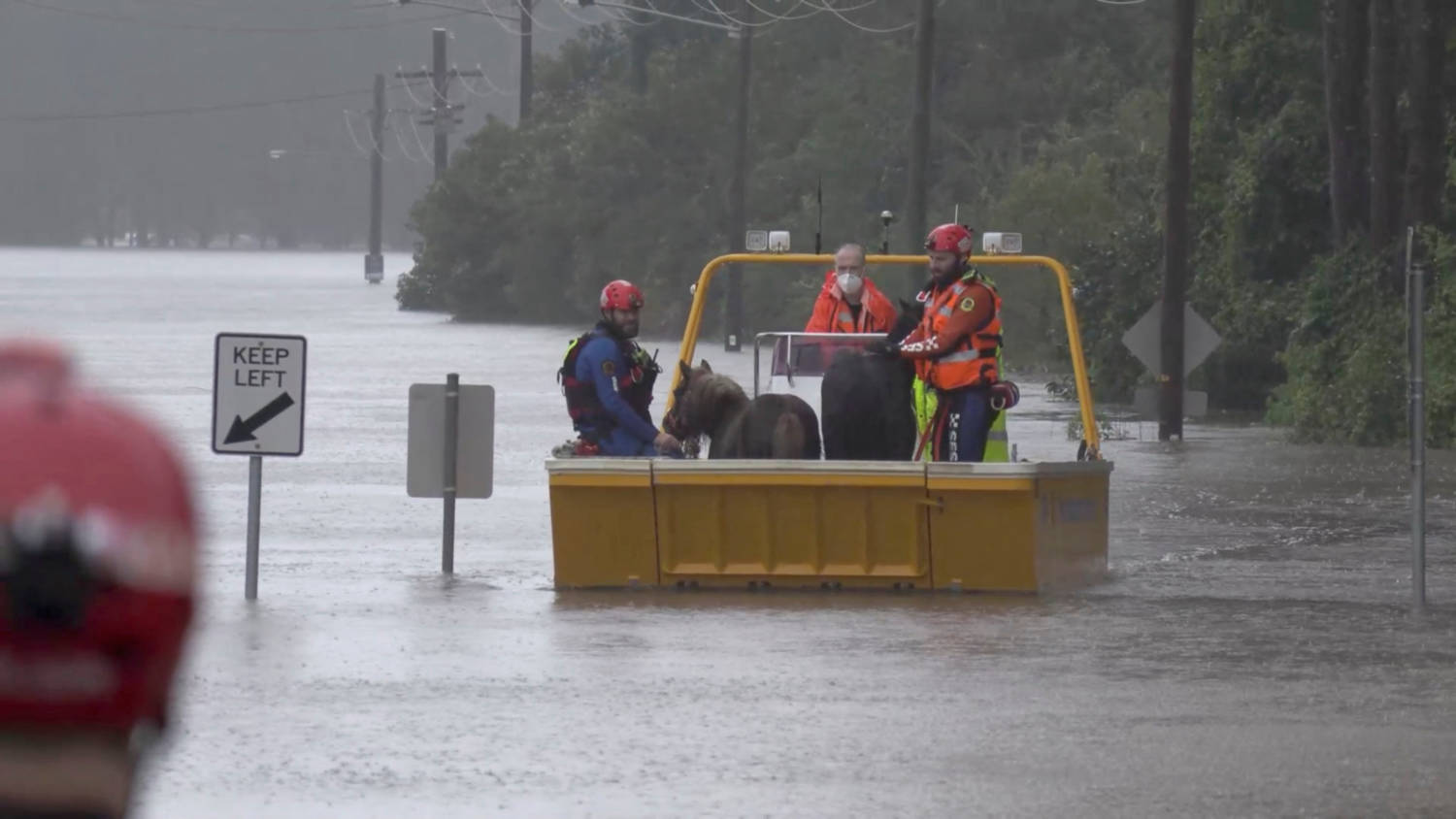
Torrential rain is lashing Australia’s southeast coast, forcing thousands of people from their homes because of the danger of floods and landslides in a region battered by major flooding four times in the past 18 months. Some areas in New South Wales state have received a month’s rain in the past two days, swelling rivers and forcing Sydney’s main dam, the Warragamba Dam, to spill on the weekend. Flooding in March and April in New South Wales and southeast Queensland state resulted in A$4.8 billion ($3.3 billion) in insured damage, the Insurance Council of Australia estimated. Australia has been exposed to the La Nina weather phenomenon in the Pacific Ocean two years in a row, which typically brings above average rainfall on the east coast. The La Nina event ended in June, but there is a 50-50 chance it may re-form later this year, the Bureau of Meteorology said.It has issued flood warning.
RAPID RIVER LEVEL RISES OBSERVED UPSTREAM OF LIVERPOOL, MILPERRA AND WORONORA BRIDGE.
— Bureau of Meteorology, New South Wales (@BOM_NSW) July 4, 2022
MAJOR FLOODING POSSIBLE AT LIVERPOOL AND MILPERRA DURING MONDAY EVENING.@NSWSES pic.twitter.com/vQrfqOxiJ3
Warm ocean sea surface temperatures and another phenomenon, the Indian Ocean Dipole, are bringing wetter than normal weather. The Indian Ocean Dipole index turned negative in May, increasing the chances of above average winter and spring rainfall for most of Australia, the weather bureau said in June. The Australian winter runs from June through August. During a negative Indian Ocean Dipole, the eastern Indian Ocean is warmer than normal and the western Indian Ocean, near Africa, is cooler, causing more moisture-filled air to flow towards Australia.
Western Sydney's Hawkesbury-Nepean valley is a floodplain, prone to dangerous flooding due to a "bathtub effect", the New South Wales State Emergency Service says. The valley is fed by five tributaries and has chokepoints limiting flows to the sea, so water backs up during heavy rain. Heavy rain driven by La Nina over the past two years has saturated the ground and filled dams, creating conditions for flash floods. Sydney's rapid population growth over the last few decades has pushed development into the floodplain.Before the recent floods, there had not been any major floods for about three decades, which meant officials approving land development applications may have believed the risk of flooding was low.
The new Labor government wants to be more proactive in tackling disaster risk, Emergency Management Minister Murray Watt has said. "More often than not, it's not the wealthy people living in the cheap land on the floodplain, it's the people who can't afford to live on top of the hill," Watt said last week. The government plans to set up a Disaster Ready Fund to provide up to A$200 million a year for disaster prevention and resilience programmes.

















Related Items
India crashes out of FIH Women's WC after draw against Australia
Heavy rain triggers flood in several MP districts
Uttarakhand:Heavy rain lashes Dehradun,97 roads blocked;schools shut