 Ira Singh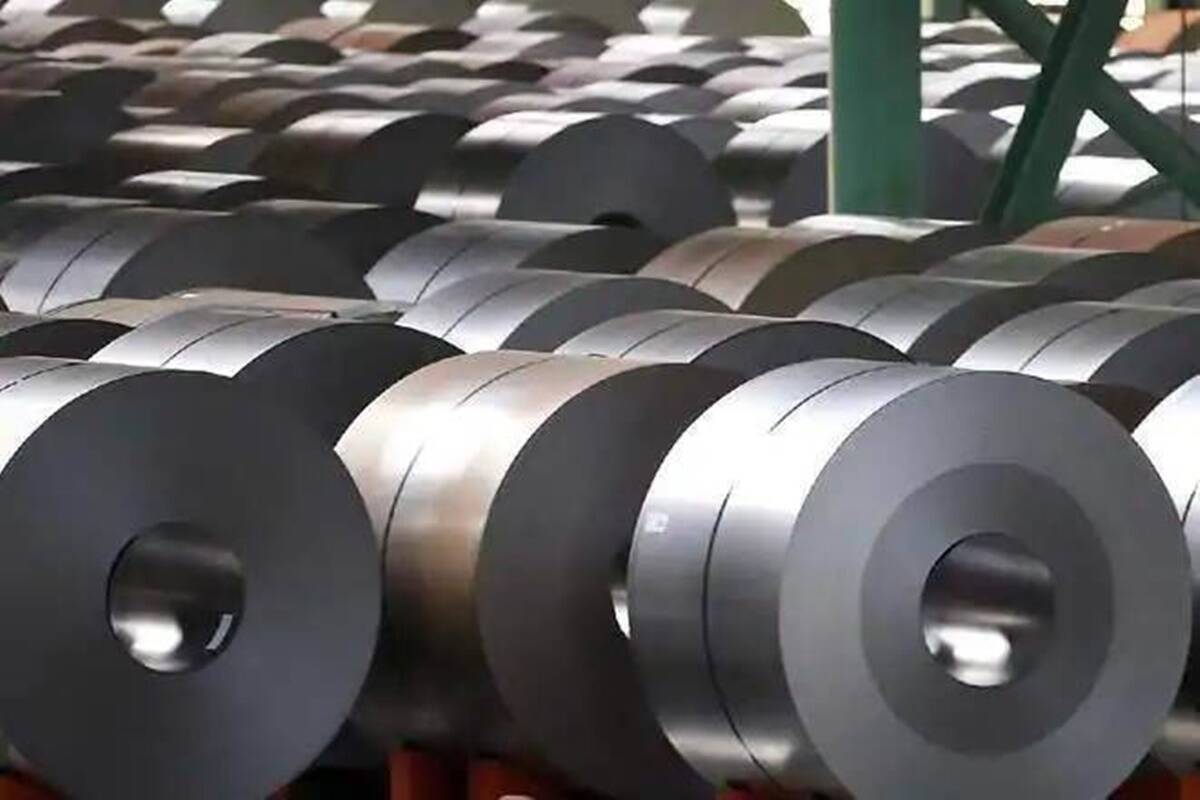
Ahead of the Union Budget for 2026-27, industry body Assocham has called on the government to extend targeted incentives for hydrogen-based direct reduced iron (DRI) technology and provide concessional green finance to support the steel sector’s shift towards low-carbon production.Union Finance Minister Nirmala Sitharaman is scheduled to present the Union Budget in Parliament on February 1, 2025. In its pre-Budget recommendations for the domestic steel industry, Assocham also proposed incentives for installing waste-heat recovery systems and setting up renewable captive power plants to help reduce emissions.
According to information, the chamber noted that while decarbonisation poses challenges for the sector, it also presents a significant competitive opportunity. According to Assocham, policy support in the upcoming Budget could accelerate the transition towards sustainable steelmaking and strengthen India’s global competitiveness.In addition, Assocham advocated incentives for scrap collection and recycling, stressing that the development of a robust domestic recycling ecosystem, supported by skill development, is critical to lowering the country’s dependence on imports.Highlighting sectoral challenges, the industry body pointed out that although India is the world’s second-largest steel producer after China and continues to record healthy growth of 8–9%, the industry is grappling with multiple headwinds. These include high input costs for key raw materials, a weakening rupee, and heavy reliance on imported coking coal due to the lack of significant domestic mineable reserves.
Assocham further noted that iron ore production has remained largely stagnant, with several auctioned mines yet to commence operations. Rising steel demand, coupled with continued exports of iron ore, has tightened domestic supply and pushed up costs for local mills.The chamber said the forthcoming Union Budget offers a crucial opportunity to position India as a global manufacturing hub for steel and value-added products under the ‘Make in India’ initiative. To this end, it recommended promoting iron ore beneficiation, removing import duties on critical raw materials, and rationalising royalty calculations to address the issue of double taxation.It also underscored the need to incentivise research and development in areas such as steel recycling, alloy innovation and process digitisation, which could enhance productivity and reduce reliance on imports of specialty steel.
(Business Correspondent)
Related Posts
India defend Asian Games hockey gold, book Olympic berth
Asian Games:India beat Pakistan by 19 runs to clinch gold
India targets 600 MT steel capacity by 2047: Secretary