 Newsinc24 Team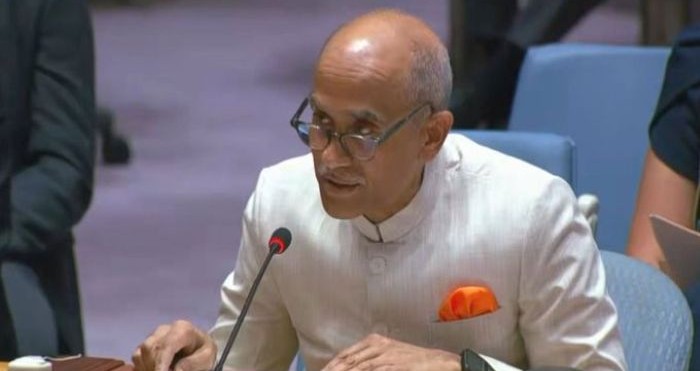
India has asserted that the immediate priority of the United Nations Security Council must be to take steps to mitigate the humanitarian consequences of ongoing hostilities. Addressing a Security Council open debate titled “Food Under Fire: The Security Council’s Role in Mitigating Global and Local Food Crises”, India’s permanent representative to the UN, P. Harish, called for safe, rapid and unimpeded humanitarian access, as well as support for effective de-confliction arrangements. He further urged the Security Council to ensure that its measures, including sanctions, do not inadvertently impede humanitarian assistance or legitimate food and agricultural trade. He noted that disruptions to energy markets, fertiliser supplies, maritime transport, humanitarian logistics and agricultural trade have demonstrated that regional conflicts can threaten food security across the world. The Indian envoy, however, underlined that building resilient and food-secure societies remains primarily the responsibility of national governments, supported by the UN development system and the Rome-based agencies, rather than the Security Council.
#IndiaAtUN
— India at UN, NY (@IndiaUNNewYork) August 25, 2026
Statement by PR @AmbHarishP at @UN Security Council High-Level Open Debate on ‘Food Under Fire: The Security Council's Role in Mitigating Global and Local Food Crises.’
Full statement - https://t.co/uCXGYDsrJ5 @MEAIndia @IndianDiplomacy @PIB_India @PMOIndia pic.twitter.com/qUqn7NH7Bz
Meanwhile,Gulf ship traffic via Strait of Hormuz hovers below 10-day average. Five commodity vessels transited the Strait of Hormuz on Tuesday, little changed from a day earlier but well below the 10-day average of 15, preliminary shipping data showed on Wednesday. Two tankers carrying liquefied petroleum gas and one tanker carrying bitumen exited the Gulf via the strait, while two empty product tankers entered the waterway from the Gulf of Oman, initial data from shiptracker Kpler showed at 0408 GMT. On Monday, four commodity vessels transited the waterway, the data showed. The figures could change as some ships typically switch off their location transponders during the voyage.
Transits through the Bab el-Mandeb, another major maritime chokepoint in the Middle East, were also roughly little changed at 31 commodity vessels versus 29 the day before, Kpler data showed, but in line with the 10-day average.Iran said it had resumed discussions with Oman on managing the Strait of Hormuz amid increased economic pressure from U.S. President Donald Trump. The two sides said on Tuesday they had explored creating a temporary joint shipping corridor and agreed to remove mines from the waterway.









Related Items
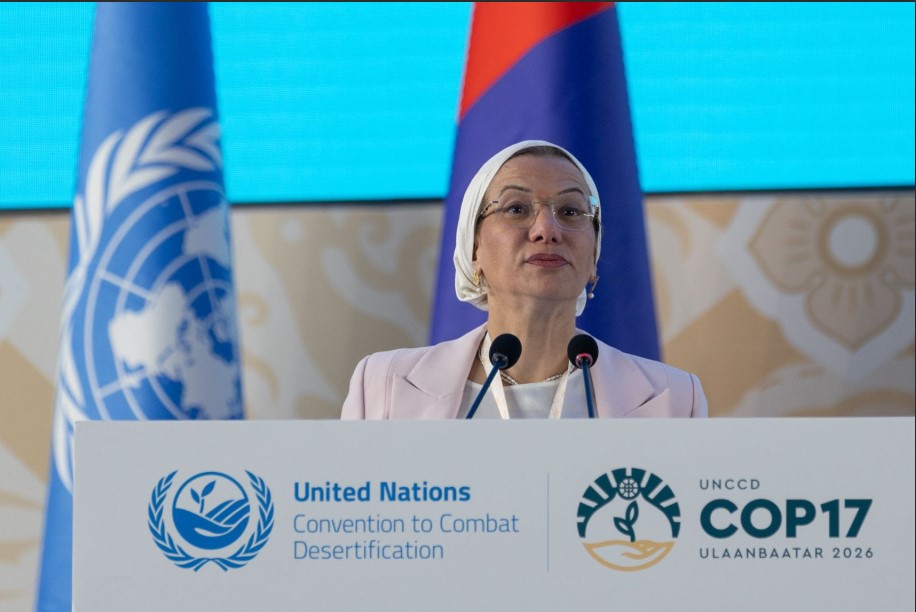
India calls for fundamental shift in global approach to drought at CoP17
India-China agree to seek 'political settlement' of boundary issue: MEA
India lifts four year wheat export ban to boost farmers’ earnings