 Uday Kumar Varma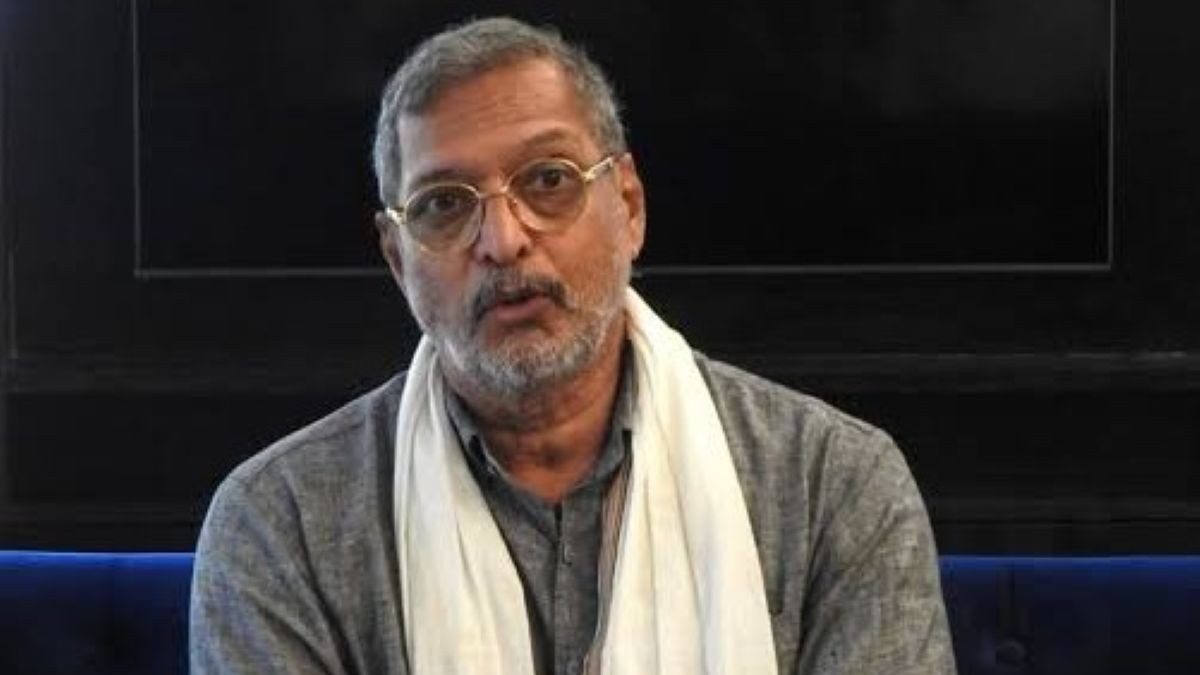
There will be no shortage of tributes to Nana Patekar. There will be memories of unforgettable performances, familiar dialogues, that unmistakable voice and the penetrating gaze. There will be lists of films and awards, anecdotes from colleagues and, inevitably, the phrase “an era has ended.”
All of it is deserved. But perhaps, amid the torrent of tributes, there is another question worth asking: what was it about Nana Patekar that made him an icon?
He was, after all, never a stereotypical Bollywood star. He did not possess the conventional glamour of a leading man. He did not have the carefully cultivated polish that usually accompanies stardom. His face could be severe, his voice almost abrasive, his manner distinctly his own. He did not seem interested in disguising any of this.
And yet he became a star. Perhaps the secret was that he never tried to become one.
Nana Patekar brought to the screen something that cannot easily be manufactured—the feeling that a real human being had somehow wandered into the frame. His characters could be violent, vulnerable, angry, comic or tragic. Even when they were larger than life, there was something recognisably human beneath the performance.
His theatre background undoubtedly shaped him, but Nana eventually developed a grammar that was unmistakably his own. He could make silence speak, anger frightening without shouting, and vulnerability powerful without sentimentality. His performances did not always ask to be admired. They demanded to be believed.
And he refused to be imprisoned by his own success.
The intensity of Parinda or Krantiveer could coexist with the dark restraint of Ab Tak Chhappan and, years later, the uproarious comedy of Welcome. Many actors become prisoners of the persona that made them famous. Nana seemed to regard such a prison as unnecessary.
That may be one of his most important legacies.
He demonstrated that an actor did not have to fit the conventional image of a hero to command an audience. He made individuality dramatically compelling. For generations of actors who did not see themselves reflected in the traditional Bollywood mould, his career offered something close to permission: you did not have to become somebody else to belong.
There was, too, a stubborn authenticity about the man. He could be abrasive, unpredictable and uncompromising. But perhaps those qualities were part of the same refusal to manufacture a public persona merely because the profession demanded one. Nana Patekar remained, for better or worse, recognisably Nana Patekar.
And therein lies the paradox.
The film industry has produced many stars who looked, dressed and behaved like stars. Nana Patekar became one without doing much of any of those things.
He did not teach Indian cinema how to produce another Nana Patekar. That would defeat the very lesson of his life and work. What he left behind was something more valuable: the confidence to be distinctive without apology.
He became a star by remaining an actor.
Perhaps that is the most enduring part of his legacy.
(Uday Kumar Varma is an IAS officer. Retired as Secretary, Ministry of Information & Broadcasting)
Related Posts
Actor Nana Patekar passes away
The Actor I Never Met
Veteran Kannada actor Anant Nag to receive Dadasaheb Phalke Award